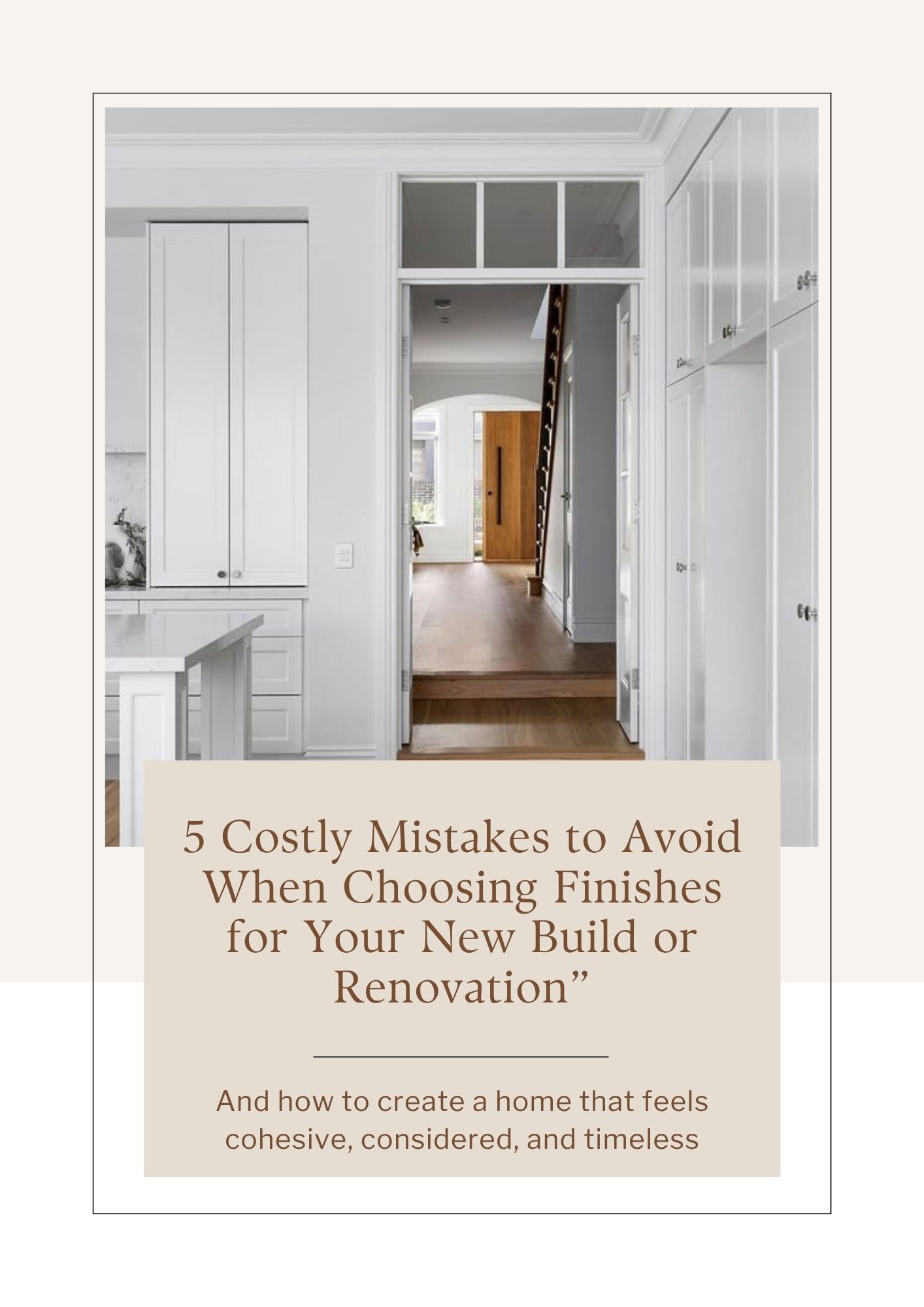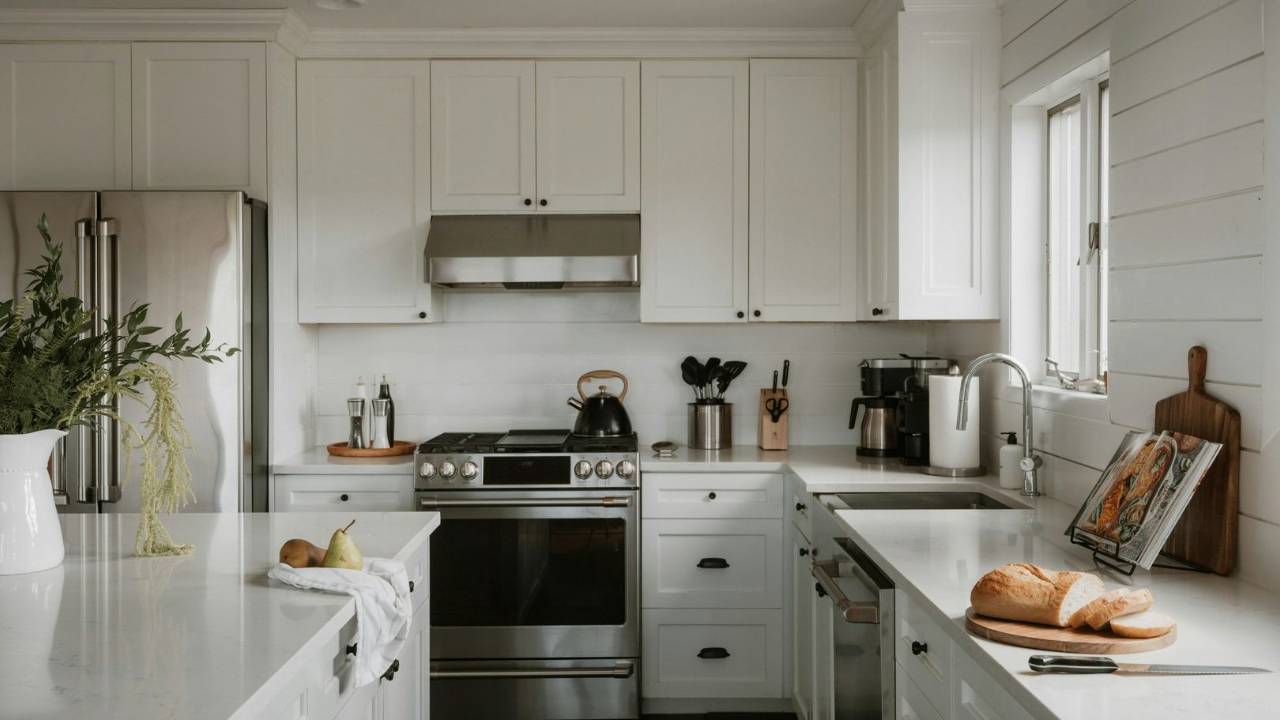
When it comes to designing a kitchen that will stand the test of time, it is hard to go past a classic white kitchen. While kitchen trends come and go, white cabinetry continues to be a favourite for both contemporary and traditional homes. It is fresh, versatile and provides a beautiful backdrop for the other materials and colours in your home.
As an interior decorator and colour consultant, I love exploring new colour combinations and encouraging people to introduce colour into their homes. However, I have to confess that I have a white kitchen myself, and I love it!
The reason is simple. A white kitchen gives you so much flexibility. You can introduce warmth with timber, create sophistication with black accents, add subtle interest with a beautiful stone benchtop or bring in colour through artwork, accessories and greenery. As your tastes change, you can update these elements without having to replace the entire kitchen.
But creating a truly timeless white kitchen involves more than simply choosing white cupboards. The right white, the materials you combine with it, the style of your cabinetry and the finishing touches all play an important role.
In this article, I'll share why I believe a classic white kitchen is such a worthwhile choice and explain how to create a scheme that feels considered, welcoming and beautiful for years to come.
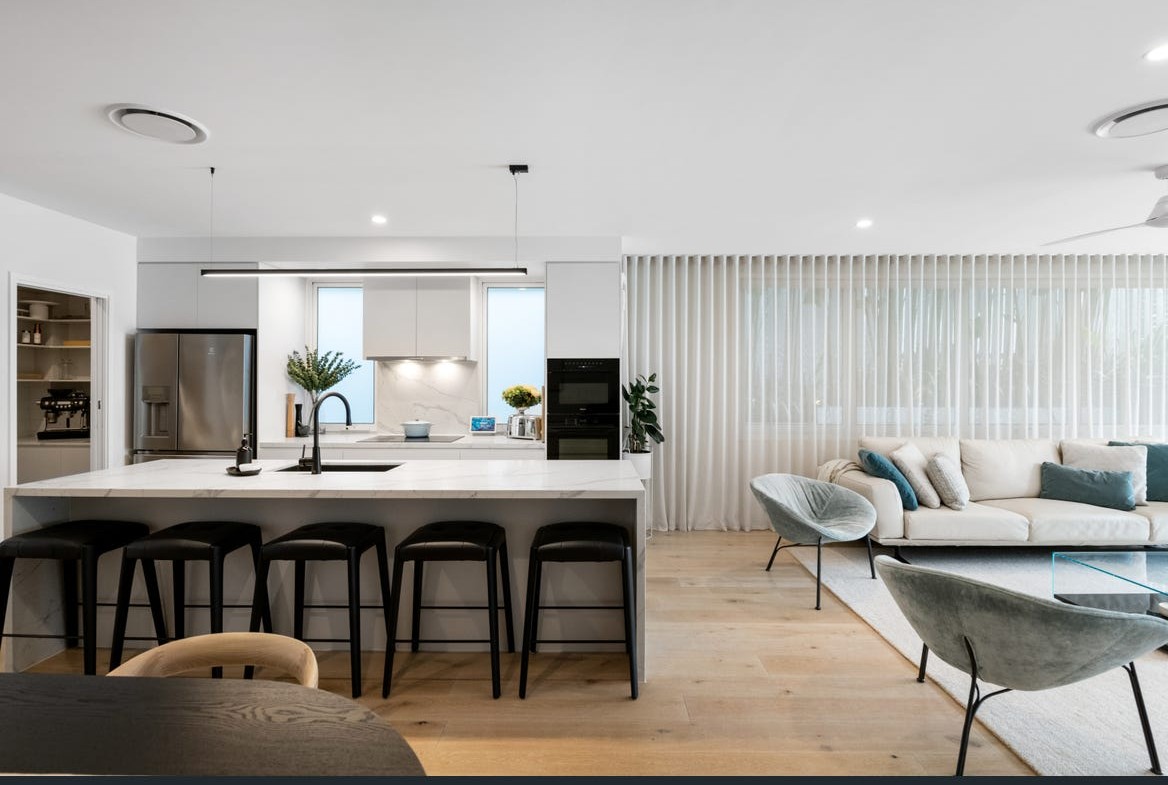
Why is a white kitchen timeless?
A timeless kitchen is one that doesn't rely too heavily on a particular trend. Instead, it uses a thoughtful combination of colour, proportion, materials and finishes that work together harmoniously.
White is particularly successful because it is so adaptable. It can look crisp and contemporary, soft and understated, or elegant and traditional, depending on the elements you introduce.
There are several reasons why I continue to recommend white kitchens.
1. White works with almost every decorating style.
From a streamlined contemporary home to a classic Hamptons-inspired interior or a relaxed coastal property, white cabinetry can work beautifully. The key is to choose a style of cabinetry and complementary materials that suit the architecture of your home.
2. White creates a versatile backdrop.
Kitchen cabinetry occupies a significant amount of visual space. By keeping it white, you allow other elements, such as a natural stone benchtop, timber flooring, feature lighting or a beautiful splashback, to become part of the design without competing for attention.
3. White allows you to update your kitchen more easily.
Your decorating preferences may change over time, but a well-designed white kitchen can adapt. You can change the handles, tapware, pendant lights, bar stools, artwork and accessories to create a different look without undertaking another major renovation.
4. White can help a kitchen feel light and open.
White surfaces reflect light, although the overall effect will depend on the particular white, the amount of natural light and the other materials in the room. In a smaller kitchen, a carefully selected white scheme can help create a sense of space and visual simplicity.
The important thing to remember is that white is not one single colour. Choosing the right white is what makes the difference between a kitchen that feels beautifully cohesive and one where the individual finishes seem to fight against each other.
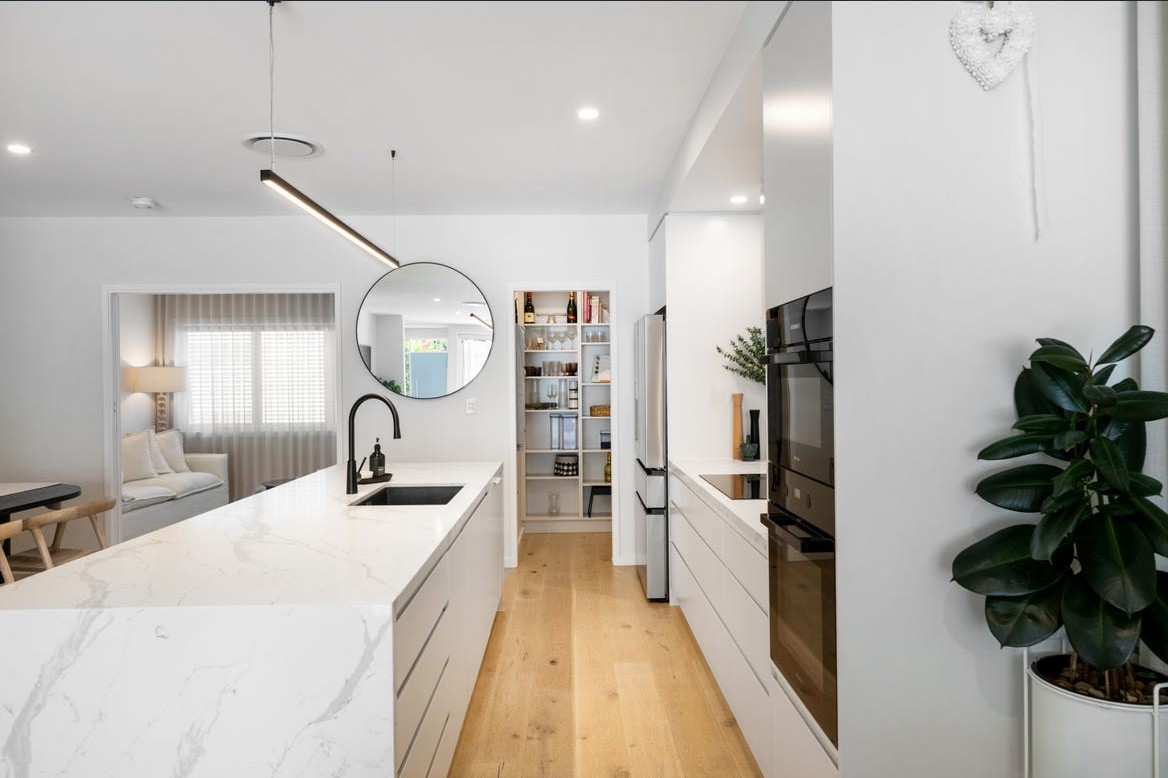
1. A contemporary white kitchen
A contemporary white kitchen can be wonderfully understated. Think clean lines, simple cabinetry, minimal hardware and a restrained selection of materials.
One of my favourite approaches is to coordinate the kitchen cabinetry with the white used for the walls and interior trim. This creates continuity and allows the kitchen to feel connected to the rest of the home.
Handleless cabinetry can reinforce the streamlined look, while a simple splashback and a complementary benchtop keep the overall scheme calm.
The secret is to introduce interest through texture and subtle differences in finish rather than adding lots of competing colours.
For example, you could combine white cabinetry with a softly patterned stone benchtop, a simple tiled splashback and pale timber flooring. Each material contributes something different, but the limited colour palette helps the room feel harmonious.
A contemporary white kitchen doesn't need to be stark or clinical. By selecting a white with the right undertone and introducing natural materials, you can create a space that feels warm and welcoming while retaining its clean, modern character.
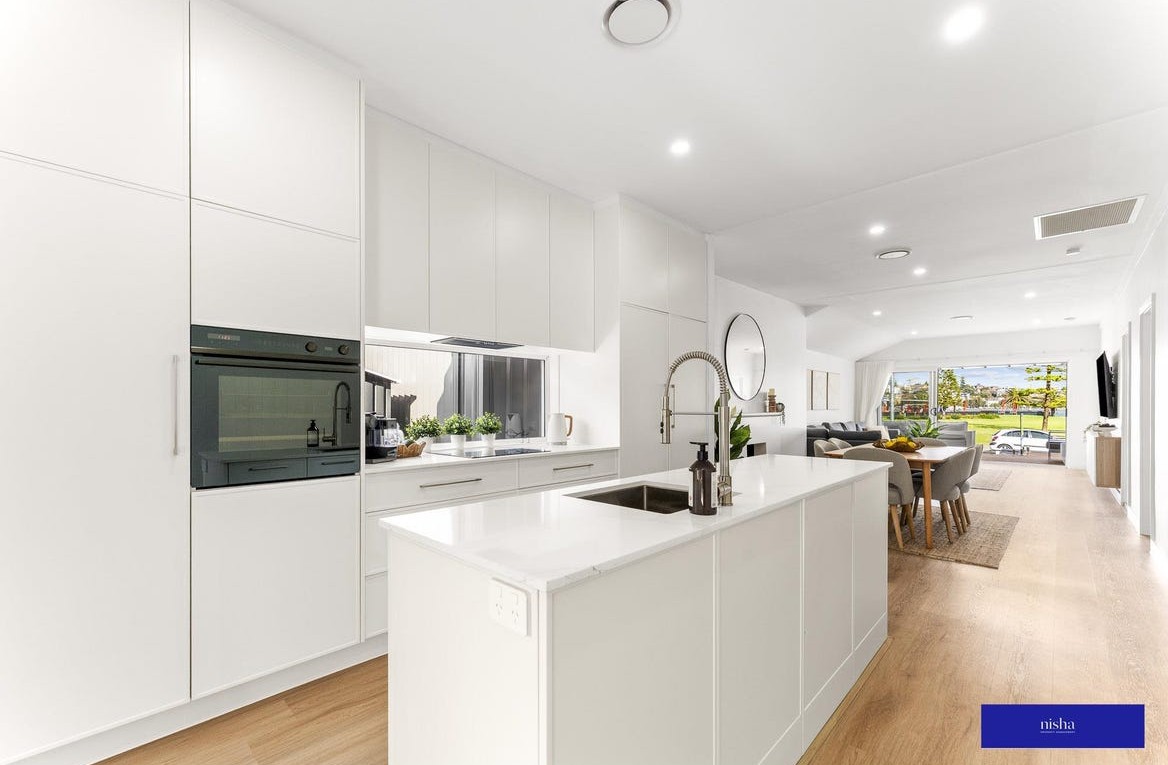
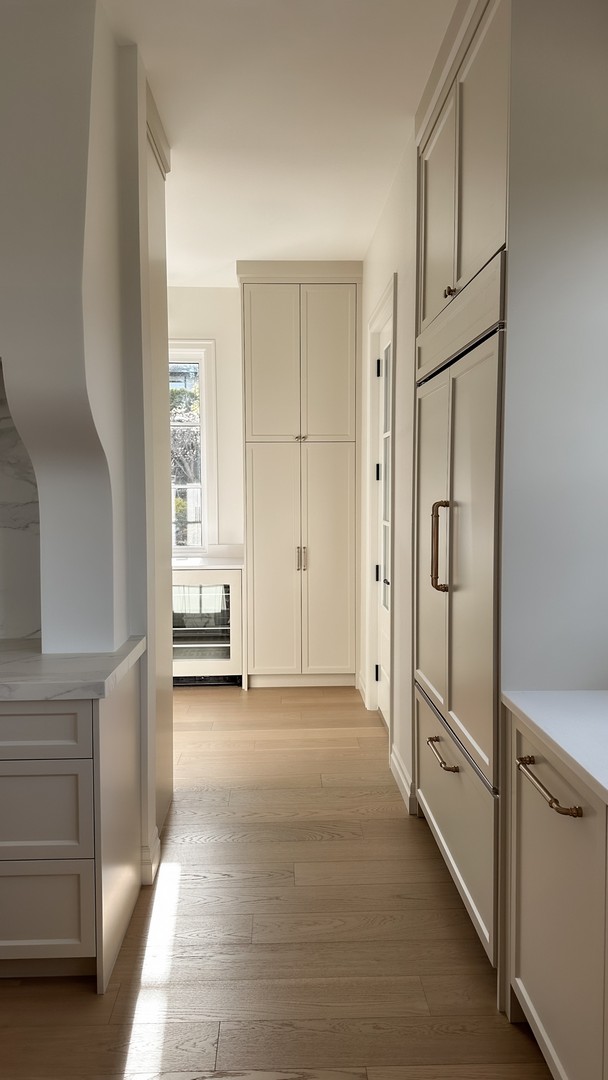
2. A traditional white kitchen
White is equally successful in a traditional kitchen, where the cabinetry often has more detail and character.
Shaker-style doors, profiled cabinetry, decorative cornices and carefully selected handles can all contribute to a classic look. In an older home, white joinery can also provide a beautiful connection between the kitchen and the original architectural features.
For this style, I would generally favour a softer white or a white that relates to the existing wall and trim colours. This can create a more relaxed result than an icy, stark white, particularly when paired with timber, natural stone or warmer metallic finishes.
A traditional white kitchen can be elegant without feeling formal. The combination of simple colours, beautifully proportioned cabinetry and natural materials creates a look that is enduring rather than tied to a particular moment in design.
The important consideration is to choose a style that belongs in your home. A classic white kitchen should feel as though it was designed for the architecture, not simply copied from a current trend.
3. How to add personality to a white kitchen
One of the greatest advantages of a white kitchen is the opportunity to introduce your own style through decorating.
If your kitchen feels a little plain, you don't necessarily need to change the cabinetry or benchtop. Sometimes, a few carefully selected finishing touches can completely transform the space.
Introduce natural timber
Timber is one of my favourite partners for white cabinetry. Its natural grain and warmth soften the crispness of white and create a more inviting atmosphere.
Consider timber bar stools, open shelving, a timber dining table or accessories made from natural materials. You could also introduce warmth through timber flooring or timber-look finishes.
The tone of the timber matters. Pale oak creates a fresh, contemporary feel, while deeper and richer timber tones can make a white kitchen feel more traditional or sophisticated.
Use lighting as a feature
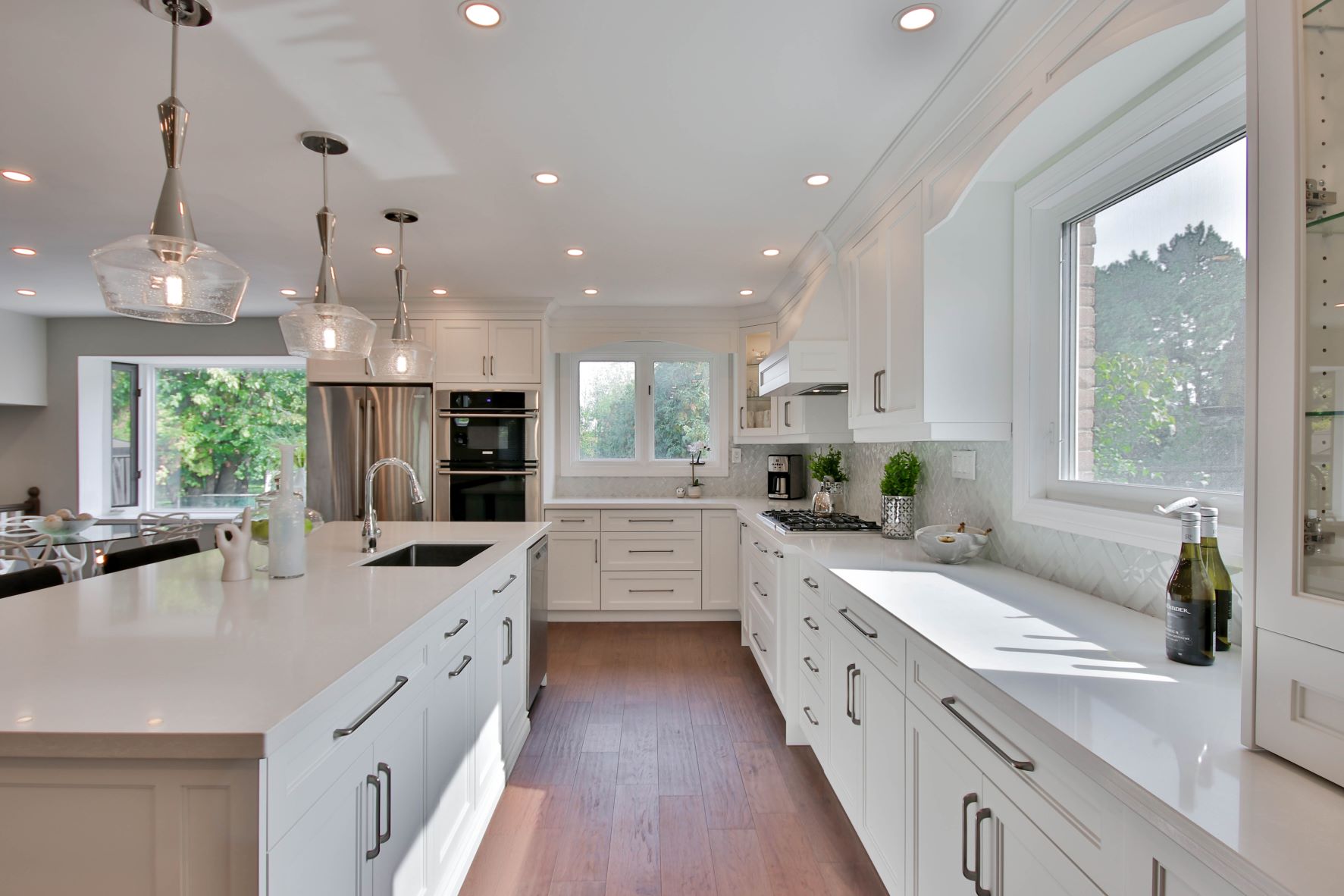
Pendant lights above a kitchen island are an excellent opportunity to introduce shape, texture and personality.
You might choose simple contemporary pendants, sculptural fittings or natural woven materials for a more relaxed look. Lighting can become a focal point without requiring you to introduce another strong colour into the cabinetry.
Remember to consider the finish of the light fittings alongside your tapware, handles and other metallic details.
Add greenery and accessories
Plants and fresh foliage are particularly effective in a white kitchen. Greenery introduces a natural element that changes with the seasons and prevents the space from feeling too static.
Ceramics, timber boards, cookbooks and artwork can also make the kitchen feel more personal. These are relatively easy elements to change, allowing you to refresh the room as your tastes evolve.
Update your handles and tapware
If you already have a white kitchen that needs a lift, consider whether new handles and tapware could make a difference.
Brushed brass or warm metallic finishes can create an elegant, warmer look, while black hardware gives the cabinetry a sharper, more contemporary edge. Stainless steel can work beautifully in a pared-back, modern scheme.
These smaller details can have a surprisingly significant effect on the overall appearance of your kitchen.
4. Choosing the right benchtop for a white kitchen
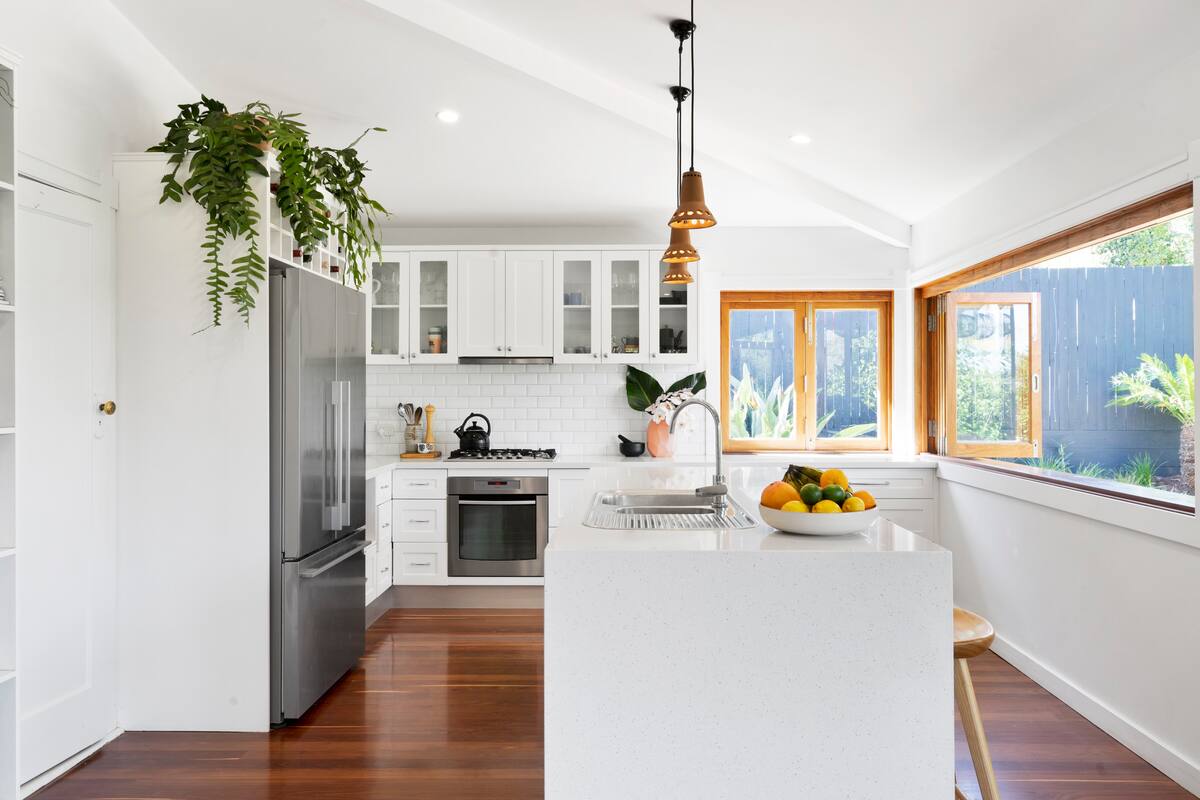
The benchtop is one of the most important decisions in a white kitchen. It occupies a substantial area of the room and often becomes the visual link between the cabinetry, splashback and flooring.
You might choose a plain white benchtop for a minimal look, or a stone with subtle veining to introduce movement and texture.
A softly patterned marble-look surface can add elegance, while a warmer stone with beige or greige detailing can soften the overall scheme.
The key is to look at the undertones carefully.
A crisp white cabinet may work beautifully with a cool white benchtop that has subtle grey veining. However, if you choose a creamy white cabinet and pair it with a very icy white and blue-grey benchtop, the difference can appear unintended.
This doesn't mean that every white in your kitchen must be identical. Rather, the colours should relate to each other and create a deliberate overall effect.
If you love a particular benchtop, use it as a starting point for the rest of the scheme. Identify the colours within the surface and use these to guide your cabinetry, splashback, flooring and wall colour selections.
Related: How to choose the right kitchen benchtop
5. Matt or gloss white kitchen cabinets?
The sheen level of your cabinetry is another decision that influences the overall look of a white kitchen.
Matt finishes have a soft, understated quality and work particularly well in contemporary, Scandinavian, coastal and relaxed traditional interiors. They can help the kitchen feel less reflective and more subtle.
Gloss cabinetry, on the other hand, reflects more light and creates a polished, often more contemporary appearance. It can be particularly effective when you want a crisp, streamlined finish.
A satin or low-sheen finish offers a middle ground between the two.
There is no universal rule that a timeless kitchen must have matt cabinetry. The right choice depends on the style of your home, the other finishes you are using and the look you want to achieve.
I would always consider the benchtop, flooring and splashback alongside the cabinet finish. A matt cabinet paired with a very glossy splashback, for example, creates a different effect from a kitchen where all the finishes have a similar level of sheen.
The aim is to create balance rather than select each material in isolation.
6. Use black accents for a sophisticated white kitchen
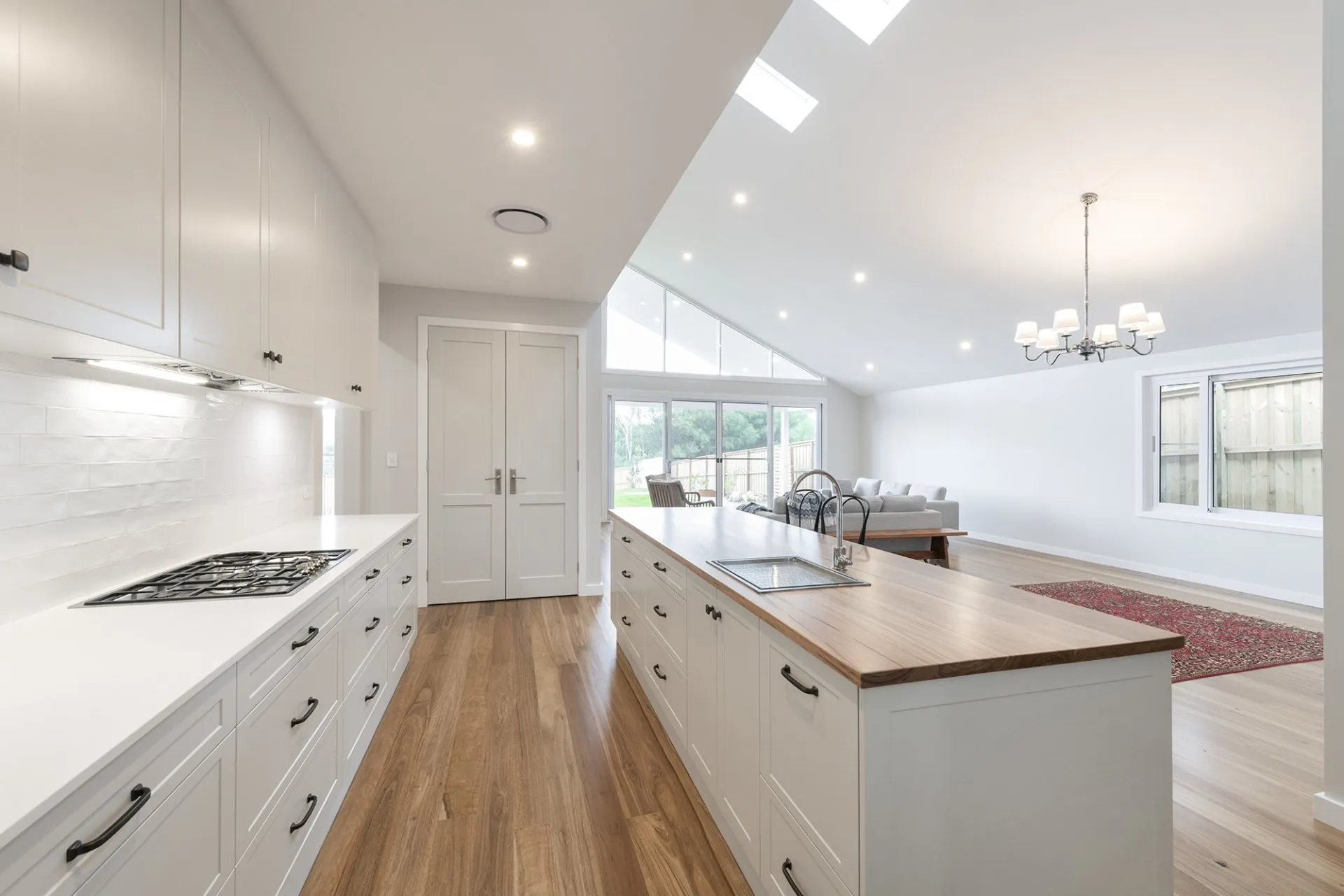
White and black are a classic colour combination, and they can be particularly effective in a white kitchen.
Black introduces contrast, definition and a little drama. Even relatively small details can change the character of the space.
You might introduce black through cabinet handles, tapware, a sink, pendant lights, window frames or the grout between white tiles. You may even decide to use a black tone for the kitchen island.
The beauty of this combination is that you can control the level of contrast. A few black details can provide definition without overwhelming the room, while more extensive use of black can create a stronger contemporary statement.
If you prefer a softer look, consider charcoal or a warm black rather than a very stark, blue-based black.
The important thing is to repeat the darker finish in a few places so that it feels intentional. For example, black tapware could be echoed in pendant lights and the frames of nearby windows.
This creates a visual connection throughout the room and helps the kitchen feel thoughtfully designed.
7. Don't forget the flooring
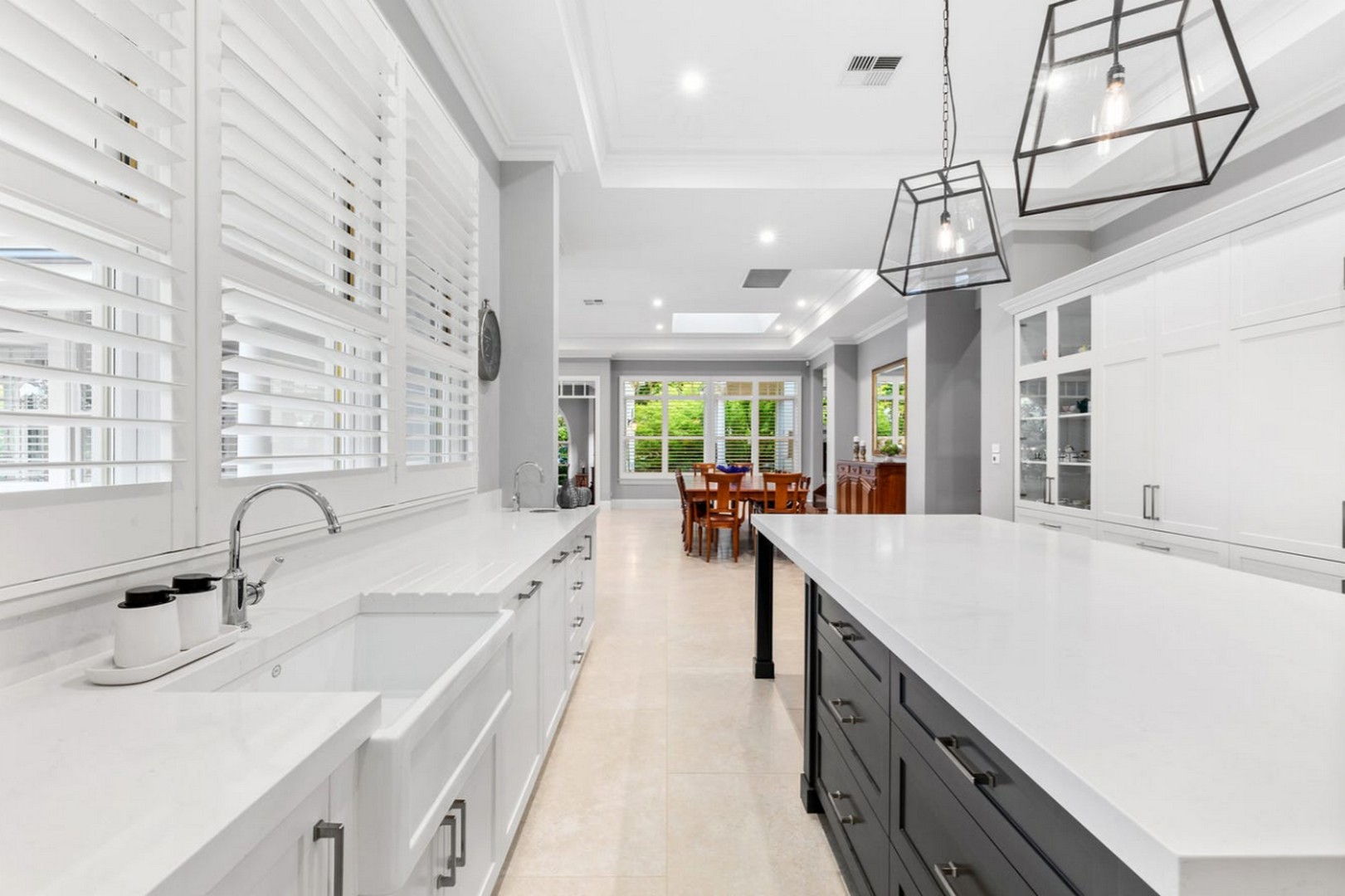
Flooring has a significant influence on how a white kitchen feels. It can introduce warmth, reinforce a particular decorating style or provide contrast against the cabinetry.
Pale timber flooring is a beautiful partner for white joinery, particularly in coastal and contemporary homes. It creates a fresh, relaxed feel while adding natural texture.
Mid-toned timber can make the scheme feel warmer and more grounded, while darker timber provides contrast and can give the kitchen a more traditional character.
Tiles are equally versatile. A pale stone-look tile can create a soft, cohesive palette, while a patterned or darker tile can add more personality.
When choosing flooring, consider the undertones of the white cabinetry. A warm timber floor may bring out the creaminess in a white, while a cooler grey floor can make the same white appear more yellow by comparison.
This is why I always recommend looking at your samples together. The flooring, cabinetry, benchtop and wall colour need to work as a team.
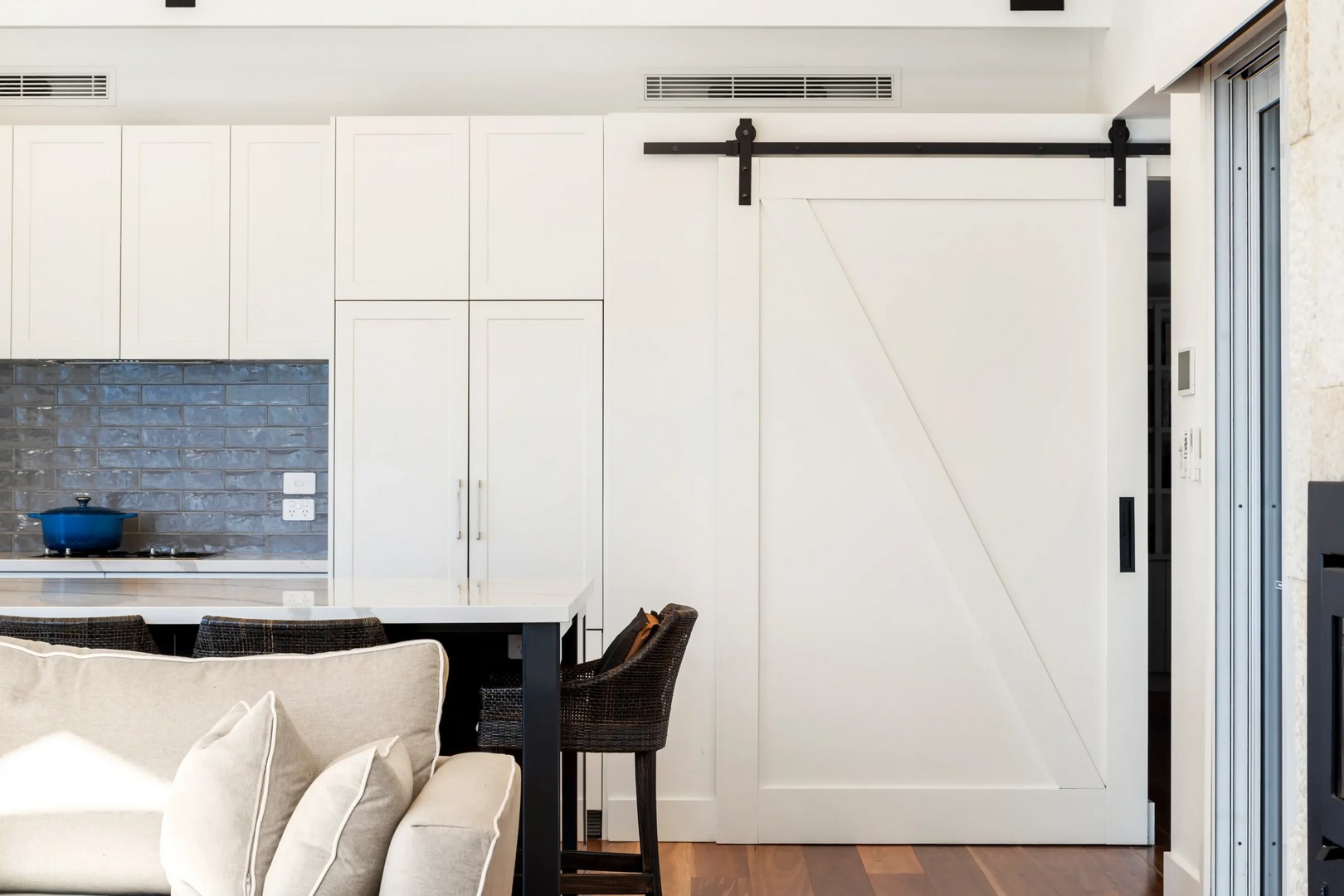
8. How to choose the right white for your kitchen
This is perhaps the most important part of designing a classic white kitchen.
There are many different whites available, and they can look surprisingly different when placed beside each other. Some are cool and crisp, with blue or grey undertones. Others are warmer and softer, with subtle yellow, cream or beige influences.
Neither is inherently better. The right choice depends on your home and the other finishes in your scheme.
Here are my essential tips.
Start with the finishes you have already selected.
If you have fallen in love with a particular benchtop, flooring or splashback, use it to guide your choice of white. Look carefully at the undertones and consider which whites complement the existing colours.
Consider your overall colour palette.
Are you creating a cool, contemporary scheme or a warm, natural one? Your kitchen should feel connected to the rest of your home. A white that works beautifully with cool grey finishes may not be the best choice for a palette of warm timber, beige and creamy stone.
Related: How to find the right white
Coordinate your cabinetry with your wall and trim colours.
If you are using painted cabinetry, selecting the same white as your interior trim can be a useful way to create continuity. This is particularly effective when the kitchen opens into adjoining living spaces.
You don't have to use exactly the same white everywhere, but any differences should be deliberate.
Pay attention to the ceiling.
If your cabinetry extends to the ceiling, the relationship between the two whites becomes particularly noticeable. Compare the proposed joinery finish with the ceiling colour and ensure they work together.
Compare manufactured finishes carefully.
If you are selecting melamine or laminate cabinetry, remember that the whites available from different manufacturers can vary considerably. Some will be cooler and brighter, while others will be softer and creamier.
Always compare the actual samples rather than relying on product names or photographs.
Create a complete colour mood board.
This is one of the most useful steps you can take before finalising your kitchen selections.
Bring together your cabinetry sample, benchtop, splashback, flooring, wall paint, trim colour and any other important finishes. View them side by side so you can assess the relationships between the colours.
I also like to view samples against a neutral background, including a piece of black card when appropriate, to help reveal subtle undertones and differences in whiteness.
Finally, view your samples in the actual room and under different lighting conditions. Natural daylight, artificial lighting and the orientation of your home can all influence how colours appear.
Never choose a white kitchen finish from a small online image alone. Physical samples are essential.
Related: How to create an interiors mood board
9. Why a white kitchen is a good long-term investment
A kitchen renovation is a significant undertaking, and the decisions you make will often remain in place for many years.
This is one of the reasons I believe a classic white kitchen is such a worthwhile option. It gives you a relatively neutral foundation while allowing you to introduce character through materials, detailing and decorating.
However, timelessness isn't simply about choosing white. A white kitchen can still date if it relies too heavily on fashionable details or if the proportions and materials don't suit the home.
The most enduring kitchens tend to have a clear design direction, a restrained colour palette and a thoughtful balance of materials.
Choose cabinetry that suits the architecture, select finishes that complement one another and invest time in getting the undertones right. Then use lighting, hardware, artwork and accessories to express your own style.
This approach gives you a kitchen that feels personal without being overly dependent on current trends.
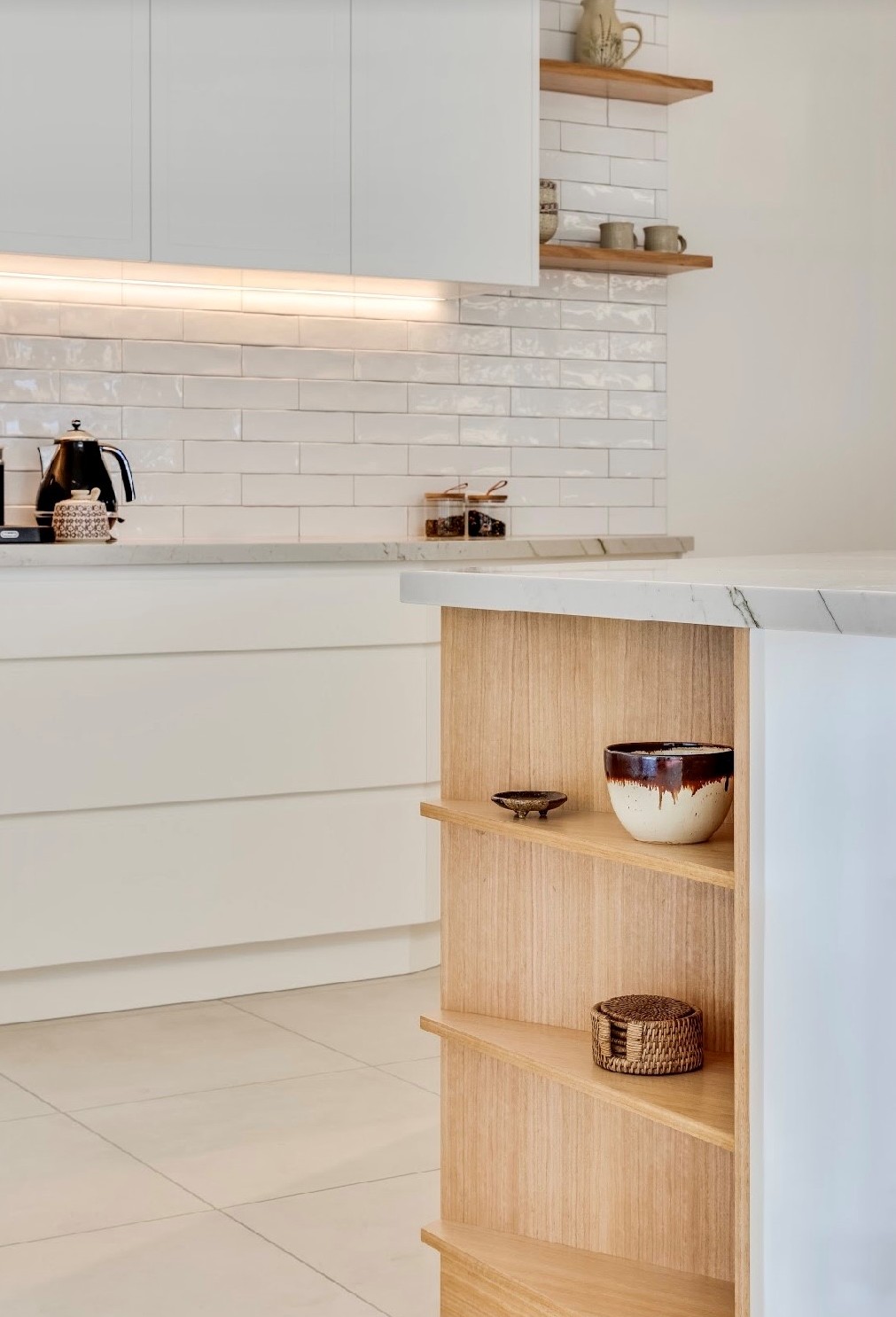
My final thoughts on creating a classic white kitchen
I will always enjoy seeing homeowners embrace colour in their kitchens, but I also believe there is a very good reason why white remains such a popular choice.
A well-designed white kitchen can be contemporary or traditional, minimal or decorative, cool or warm. It can be refreshed with a few styling changes and adapted as your tastes evolve.
The secret is to look beyond the cabinetry colour itself. Consider the undertones of your white, the relationship between your benchtop and splashback, the warmth of your flooring and the finishing details that will give the room its personality.
Get these elements right and a white kitchen can be much more than a safe choice. It can be a beautiful, enduring part of your home.
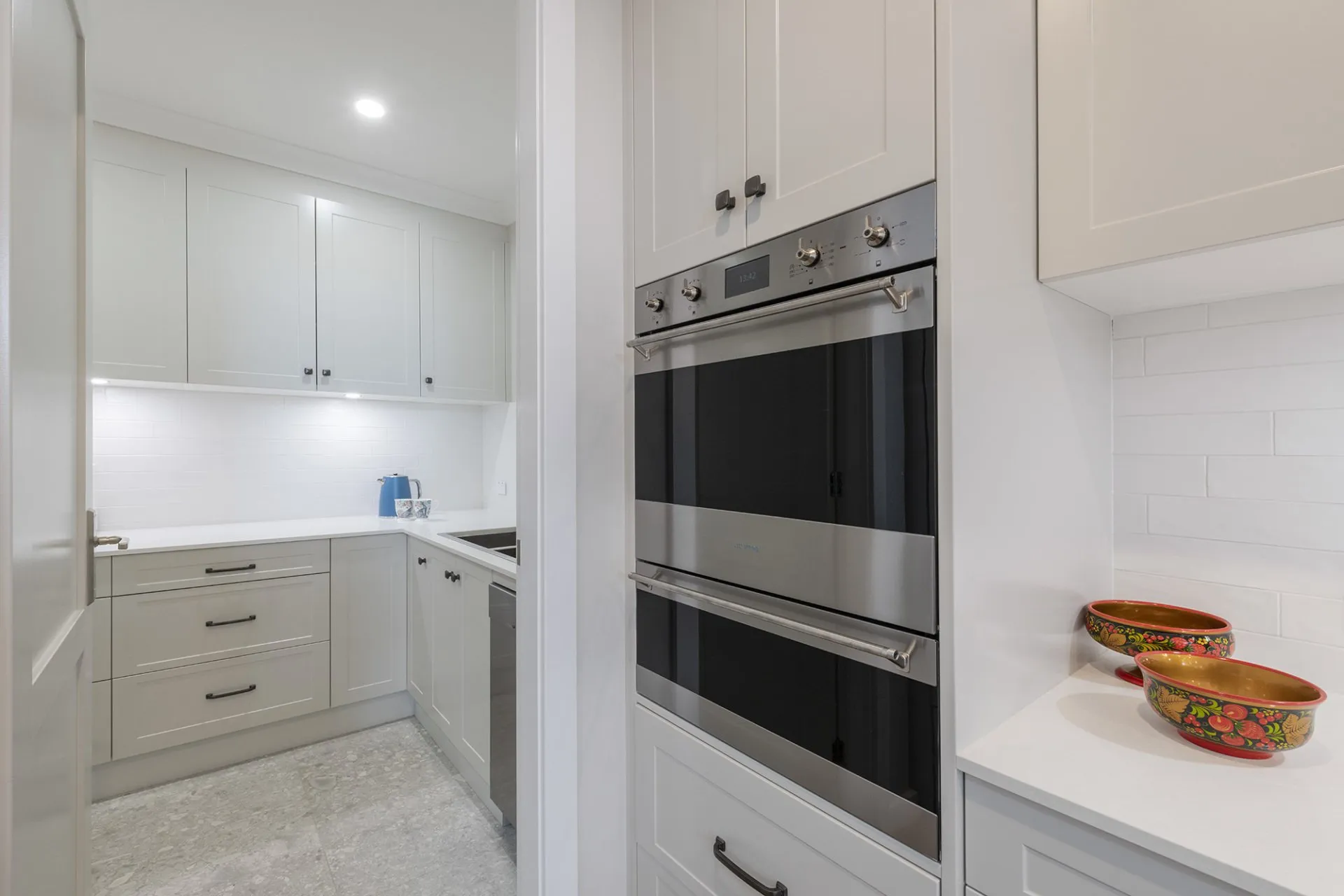
Need help choosing the right colours for your kitchen?
If you are building a new home or renovating your existing kitchen, getting the colours and finishes right from the beginning can save you from expensive mistakes.
Through my online colour consultation service, I can help you bring your selections together and create a cohesive scheme for your home.
Whether you need help with a few key decisions or would prefer guidance across a larger project, you can find out more about my online colour consultations.
You can also explore my practical checklists for new builds and renovations to help you keep track of your selections, suppliers and important decisions.
A beautiful kitchen begins with a well-considered plan, and choosing your colours is an important part of that process.
Related: Kitchen Styling - My 5 top tips
Related: How to choose kitchen door handles
This post was originally written in 2022 and has since been updated to reflect contemporary trends.
Stay connected with news and updates!
Join our mailing list to receive the latest news and updates from our team.
Don't worry, your information will not be shared.
We hate SPAM. We will never sell your information, for any reason.