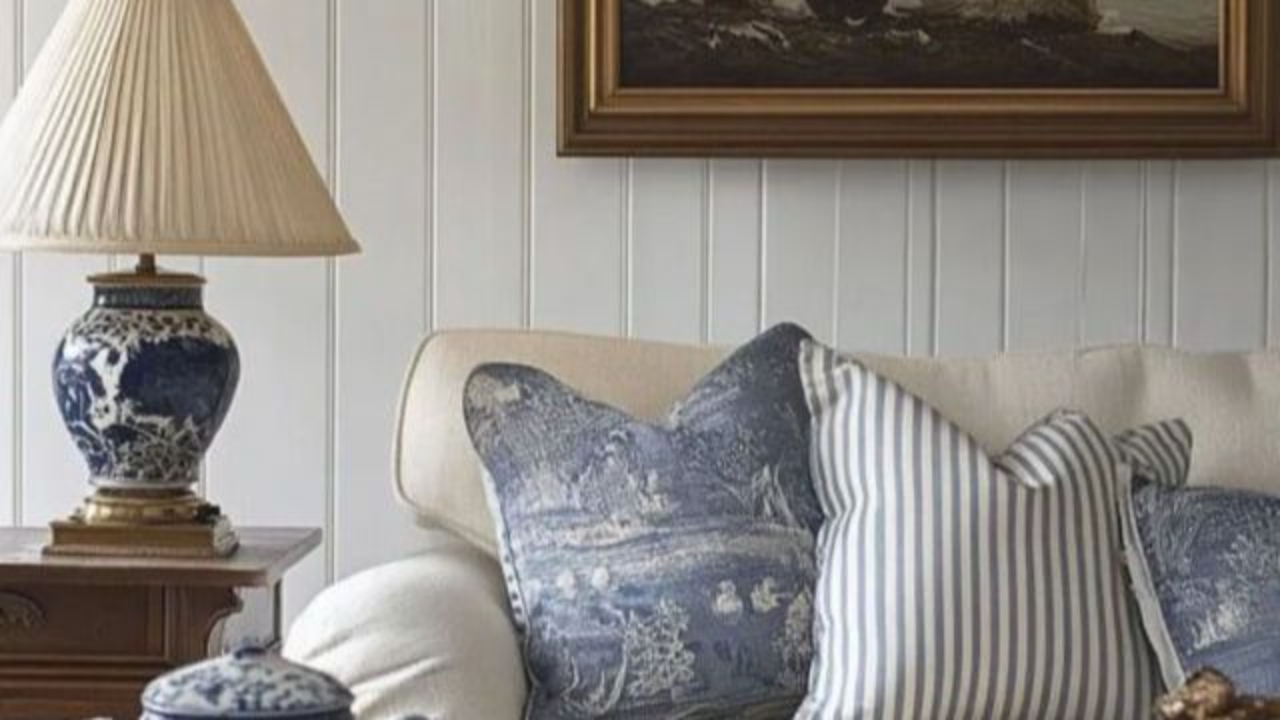
There is a new style term being bandied about: Grandma Cottage style. This is not the stereotypical grandmother aesthetic, but rather that of a chic, worldly baby boomer woman—comfortable, confident, well-travelled, and shaped by decades of evolving design influences. Her home reflects a life well lived, layered with beautiful antiques, collected artworks, and meaningful accessories that each tell a story. This is not a dated look; it is a transitional style that seamlessly blends classic pieces with modern sensibilities.
When you grow weary of chasing every new trend, constantly updating your home, and recognising that endlessly discarding and replacing furnishings comes at a cost—to both your wallet and the environment—you may find yourself naturally gravitating towards this style, whether you are a grandma or not. It is an aesthetic rooted in longevity and values, not novelty.
Quality wins out every time. Pieces are chosen—or thoughtfully repurposed—with intent. This is a curated, considered approach where nothing is accidental: an artwork sourced on a memorable weekend away, books collected from exhibitions, and accessories rich in pattern, texture, and colour.
At its heart, Grandma Cottage style embraces intentional living. Recipe books sit open in the kitchen, celebrating domestic life rather than hiding it away behind closed cabinetry. Slow living, baking, jam-making, and an appreciation for wholesome, good-quality food naturally align with this way of decorating. While it may feel contrived if it does not reflect how you live, for many embracing a slower, more intentional lifestyle, this aesthetic feels entirely authentic—and deeply comforting.
How to create the Grandma Cottage look
If you are drawn to this look, chances are you are already well on your way to achieving it. Many people have long loved this aesthetic without ever having a name for it. Grandma Cottage style is not a cookie-cutter look that can be neatly defined, and that is precisely where its charm lies. It is inherently eclectic because it is shaped by who you are, not by a trend you have consciously followed.
That individuality can make the style feel a little elusive. There is no formula to replicate, because the result must come from the heart. That said, there are some guiding principles that help pull everything together and ensure the look feels cohesive and considered rather than accidental.
The Colour Palette
Do not become overly concerned with locking in a rigid colour palette. At its core, this style celebrates collections of meaningful, beautiful pieces, and discarding items simply to “fit” a scheme would go against its very ethos. However, a few foundational colour considerations will help create harmony.
Avoid stark, crisp whites, which can feel jarring in this context. Instead, opt for softer, slightly muted whites that feel warm, welcoming, and lived-in.
Overall, the palette should lean towards muted tones with a degree of grey through them. Think softly greyed blues and greens that sit comfortably alongside rich antique furniture. The look favours depth and warmth—comforting navy blues, inky tones, and chocolate browns—rather than an abundance of cool, flat greys.
Layering neutrals adds subtle interest, while carefully chosen “pretty” colours bring life and personality. Finally, introduce touches of black to ground the scheme, adding depth and gentle contrast without overpowering the softness of the space.
Related: Tonal contrasts in interiors

Wall panelling works beautifully with this look and you can also consider introducing a darker trim colour to add another neutral layer. Try to avoid just plain white walls in every room and the easiest way to achieve this is to paint wainscoting or trim in a slightly darker neutral.
Related: How to use a dark trim in your home
Foundational pieces of furniture
When it comes to foundational furniture, restraint is key. Sofas are best kept in plain, timeless colours. While chintz is often associated with traditional “grandma” interiors, this updated interpretation relies on simplicity at the base. Choose high-quality cottons and linens in neutral tones that will stand the test of time. This is not a fusty or overly nostalgic style, but a curated one built on well-made, enduring pieces.
Because this look is not about constant change, investing in a quality sofa is essential. Consider styles with removable covers that can be washed or dry cleaned, extending their lifespan and practicality. Personality is then layered in through vintage cushions, throws, and textiles rather than through the sofa itself.
Occasional chairs offer more freedom. Rattan, leather, or patterned fabrics all work beautifully here and help introduce character. Avoid the matching three-piece suite, which can feel overly rigid. To refresh a more traditional setting, you may only need to keep your existing sofa and introduce a contrasting occasional chair to instantly modernise the space.
Dining furniture should also resist uniformity. Tables and chairs do not need to match—and, in fact, are better when they do not. Over the years, many clients have felt compelled to replace entire dining settings to suit the latest trend. Instead, I often encourage them to keep their solid timber table and update only the chairs. Without fail, the result feels fresher and more personal, saves perfectly good furniture from landfill, and is far kinder to the budget.
Add occasional antique items for side tables or buffets etc. Don't overdo it, but just choose the odd item that really appeals to you and remember it doesn't have to match anything else!
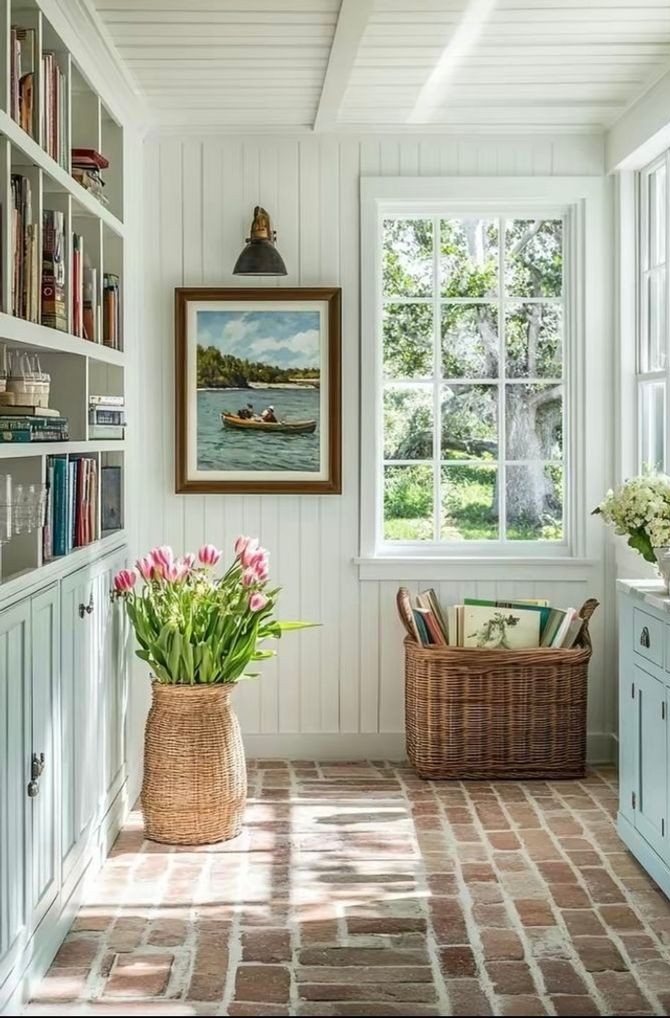
As this is a style about repurposing items, you can paint pieces of furniture and perhaps add a marble top. Offcuts of marble or reconstituted stone are easy to find if you visit a local stone supplier.
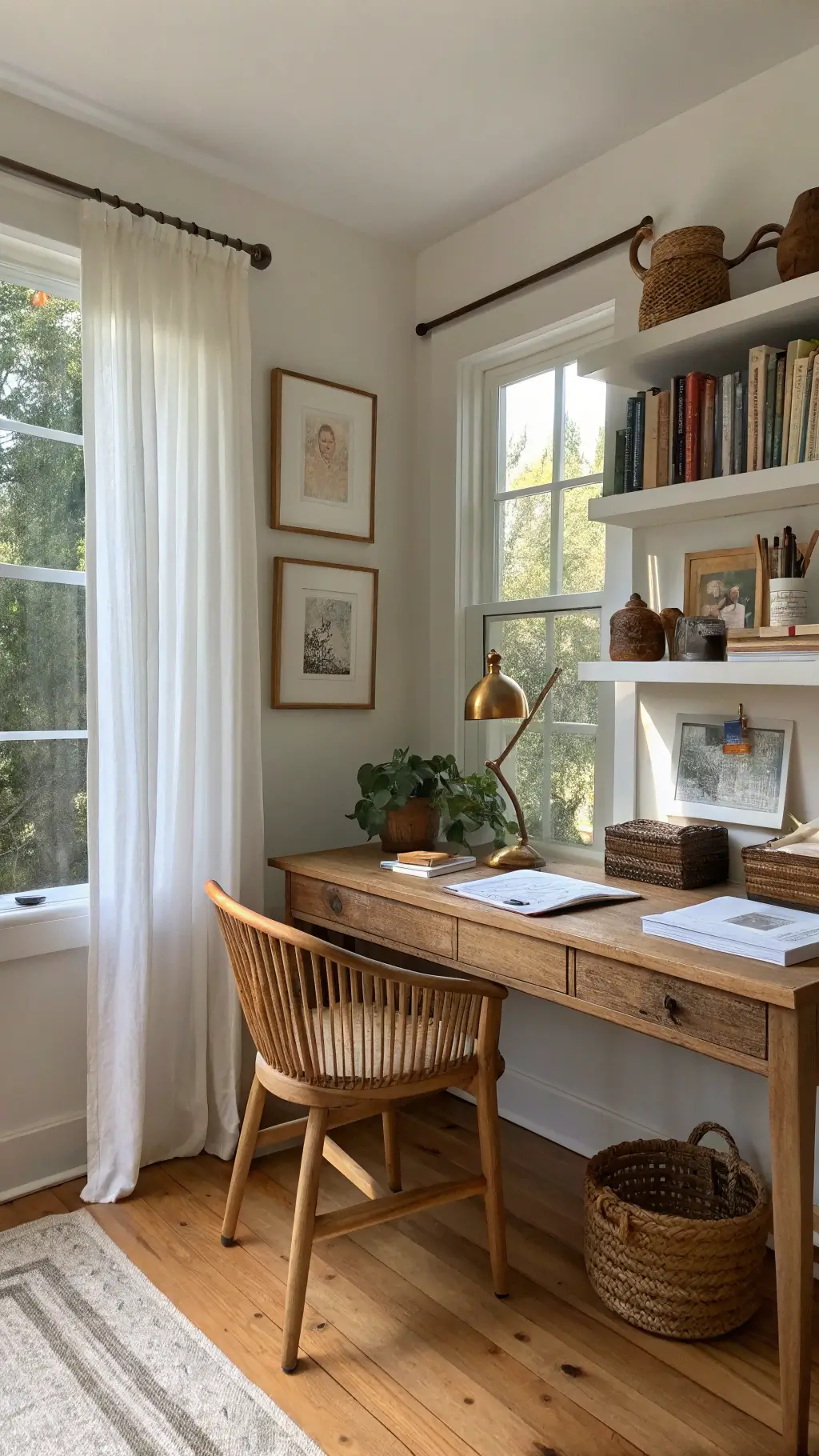
This style relies more on individual pieces rather than lots of built in joinery. This space above with simple timber floors, a transitional style rug, open shelving and artworks and books that contain meaning, suit this look perfectly.
Accessories
Hunt down vintage fabrics and have cushions made. If you have an expensive piece of fabric, you can just use this on one face of the cushion and use a plain cotton or linen that works with your sofa for the other side. Consider details like contrast piping and buttons to make the cushion unique. Remember, this is a style which is curated with intent, not one that is thrown together in a weekend.
Related: How to choose cushions
Storage is always important to avoid all those items on show that we don't want or need to see. However, this look should have some open shelving to create interest so consider storing items in baskets and glass and ginger jars.

Related: How to style with baskets
Ultimately, Grandma Cottage style is less about achieving a specific look and more about embracing a way of living. It values quality over quantity, meaning over trends, and comfort over perfection. This is a style that evolves slowly, shaped by experiences, memories, and thoughtful choices rather than impulse purchases.
When your home reflects who you are, where you have been, and how you choose to live, it will always feel authentic. Whether you are drawn to this style consciously or find yourself arriving there naturally, Grandma Cottage reminds us that the most beautiful homes are those that are lived in, loved, and layered over time.
This style is closely related to Transitional Style. You can read more about that here.
If you are building a new home or renovating the one that you have, you should purchase my checklists. You will find all the elements of a new build or exterior and interior renovation that you need to consider, with plenty of space to write down supplier and product details for reference. Gain control and satisfaction when you can check each one off the list.
I also have an online colour consultation service. From just a quick 30 minute zoom session to address one or two key elements through to a full done for you solution for your entire home.
Stay connected with news and updates!
Join our mailing list to receive the latest news and updates from our team.
Don't worry, your information will not be shared.
We hate SPAM. We will never sell your information, for any reason.