How to Create an Interior Mood Board
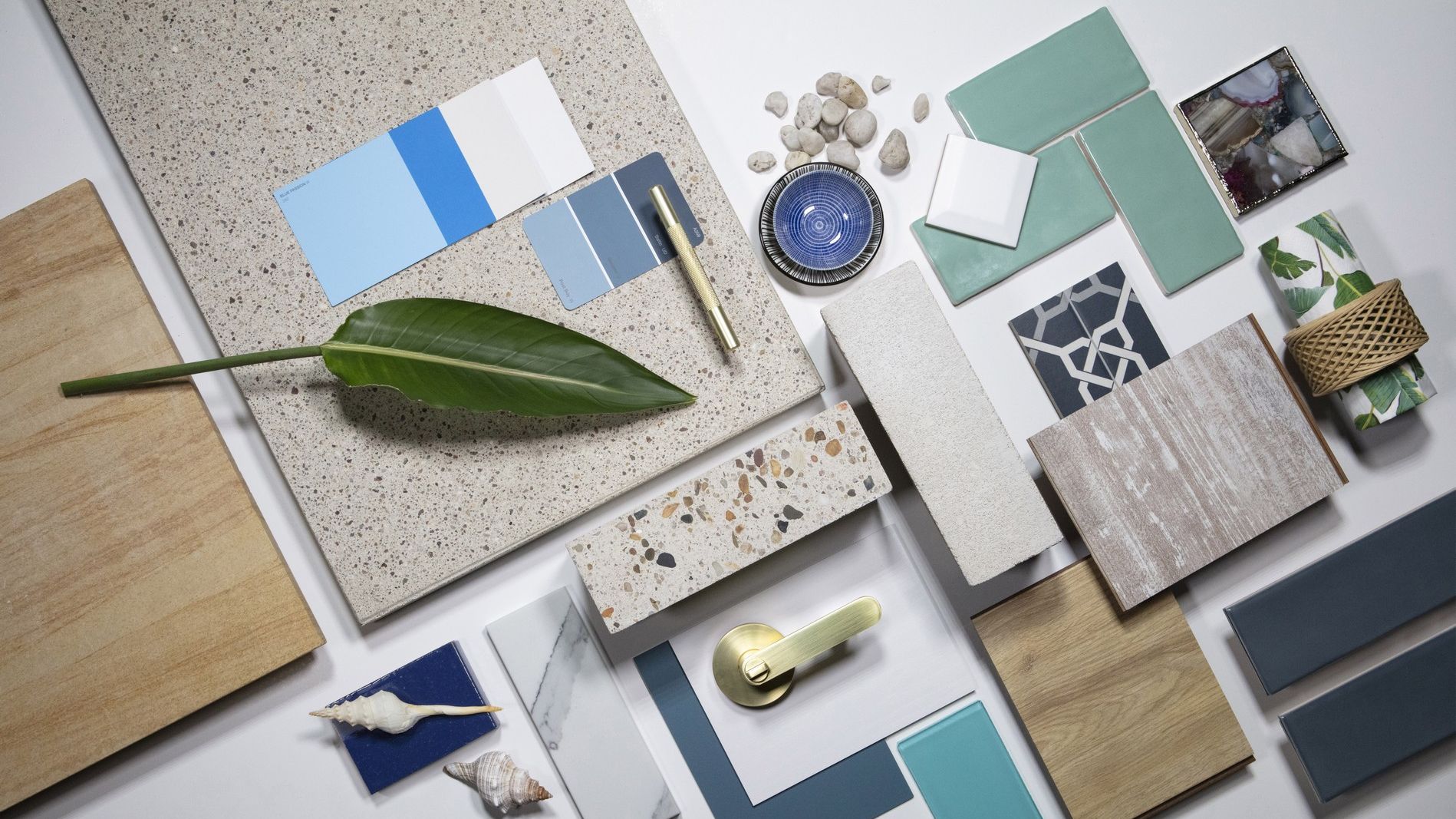
Designers use mood boards to explore the overall look and feel they want to achieve in a space. A mood board is not a literal representation of exact colours, finishes, or products—it is a visual starting point. It helps clarify direction before decisions are locked in.
One of the most common challenges my clients share is that they love too many things. One day they are drawn to a classic coastal look, the next to a relaxed boho vibe, and then a timeless country aesthetic catches their eye. With so many beautiful interiors to admire, it can be difficult to decide which way to go.
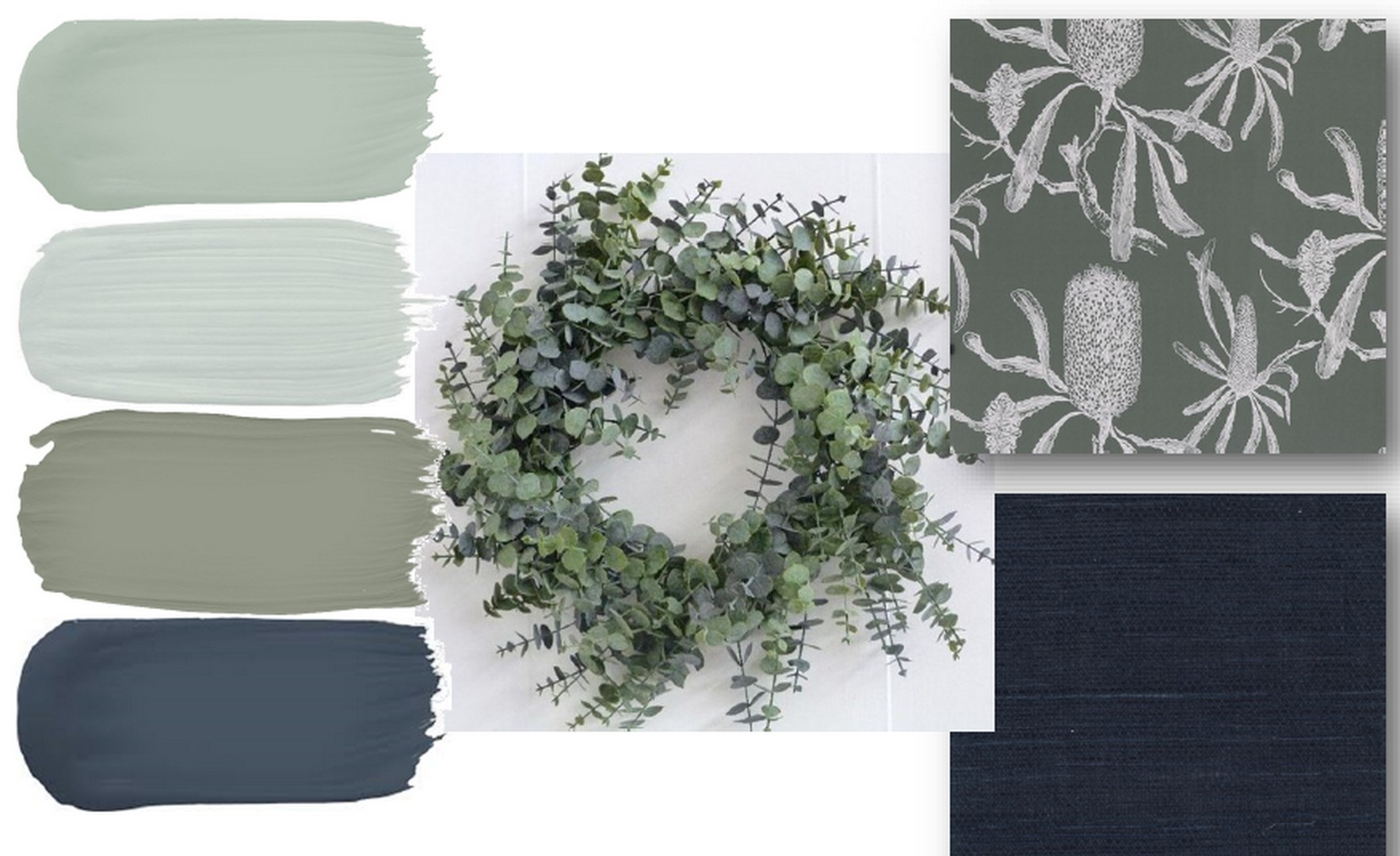
There Is No Single “Right” Style
The most important thing to remember is that there is no definitive style or trend you must follow. The joy of decorating comes from taking the elements you love most and learning how to make them work together.
Unless you have an unlimited budget (which few of us do), most homes already contain furniture and accessories that need to be accommodated. This is precisely why investing in classic, well-made pieces is so valuable—they give you flexibility as your tastes evolve.
Step Back and See the Bigger Picture
“It’s easy for you to say,” I often hear. And it is—because as a designer, I can step back and objectively assess what you have to work with. But ultimately, it has to be you who loves the room.
This is where a mood board becomes invaluable. It allows you to gather all your ideas in one place and view them together, just as a designer would. When you step back and assess everything as a whole, patterns begin to emerge—styles, colours, and moods that consistently appeal to you.
A Space to Reflect (and Refine)
A mood board gives you permission to slow down and reflect. Over time, you can add and remove elements as your ideas become clearer.
When you discover the perfect neutral, a lamp you love, or a cushion that catches your eye, add it to the board rather than buying it immediately. This helps curb impulse purchases and ensures every item contributes to the overall look you are trying to achieve.
Take Your Time—It’s Worth It
This process may sound time-consuming, but spending two or three weeks refining a scheme—even if it temporarily takes over the dining table—is far preferable to filling a room with impulse buys that don’t quite work together.
A cohesive interior is rarely accidental.
Let’s Get Started: How to Build Your Mood Board
You will need a large blank board, plenty of pins, and an open mind.
-
Start with what you are keeping
Identify the fixed elements in your room—perhaps a sofa, a favourite chair, artwork, or a rug. These pieces form your starting point. -
Collect inspiration freely
Gather images from Pinterest or magazines that appeal to you. Don’t overthink this stage—save what you naturally gravitate towards. This is not a final plan, just a reference for how the room might feel.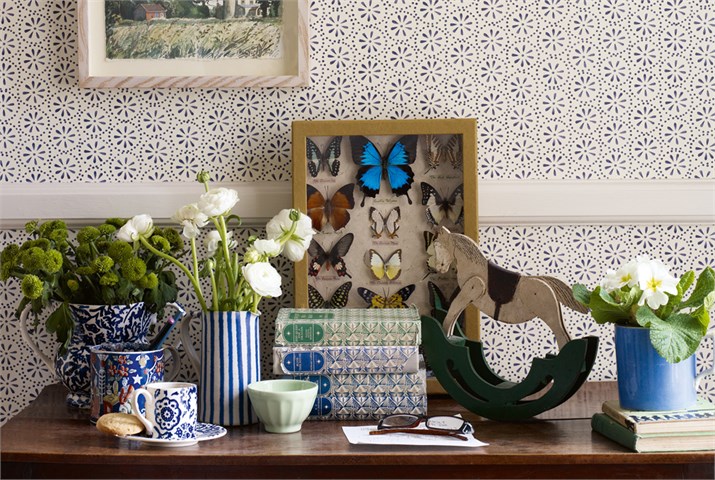
-
Look for common threads
Lay out your images (physically or digitally) and observe any recurring themes. Are you consistently drawn to timber floors, darker walls, soft whites, or layered textures? These clues are important. -
Assess your space
Consider the realities of the room: natural light, scale, ceiling height, and immovable elements such as fireplaces or doors. Measure the space and sketch a simple plan—this does not need to be perfect unless you are ordering furniture. The goal is awareness.
-
Build around your key pieces
Return to the items you are keeping or a favourite piece you want to anchor the scheme. Let these guide your selections.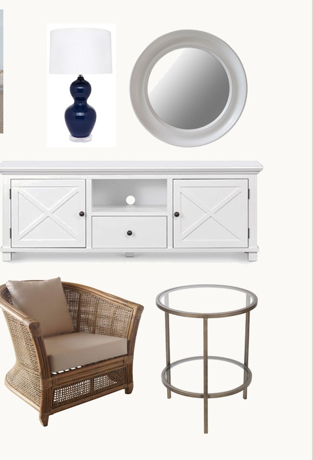
-
Create the physical board
Quietly edit your inspiration and pin only your absolute favourites to a large board. Printing images is strongly recommended—seeing colours together in real life is far more accurate than viewing them on a screen.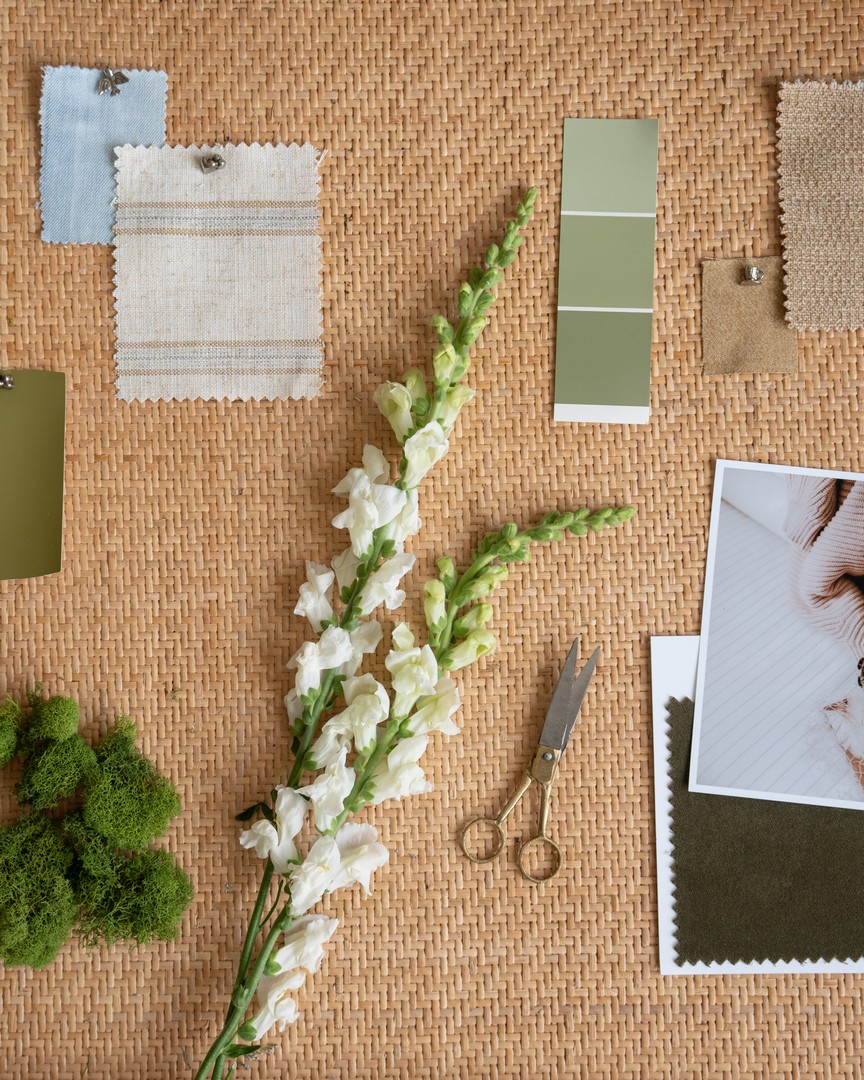
-
Add paint and material samples
Collect paint charts, focusing on whites, neutrals, and key colours. Many paint companies offer larger sample cards or brush-outs, which are extremely helpful. Fabric samples are equally important—most suppliers will provide them, and online retailers often sell samples for a small fee.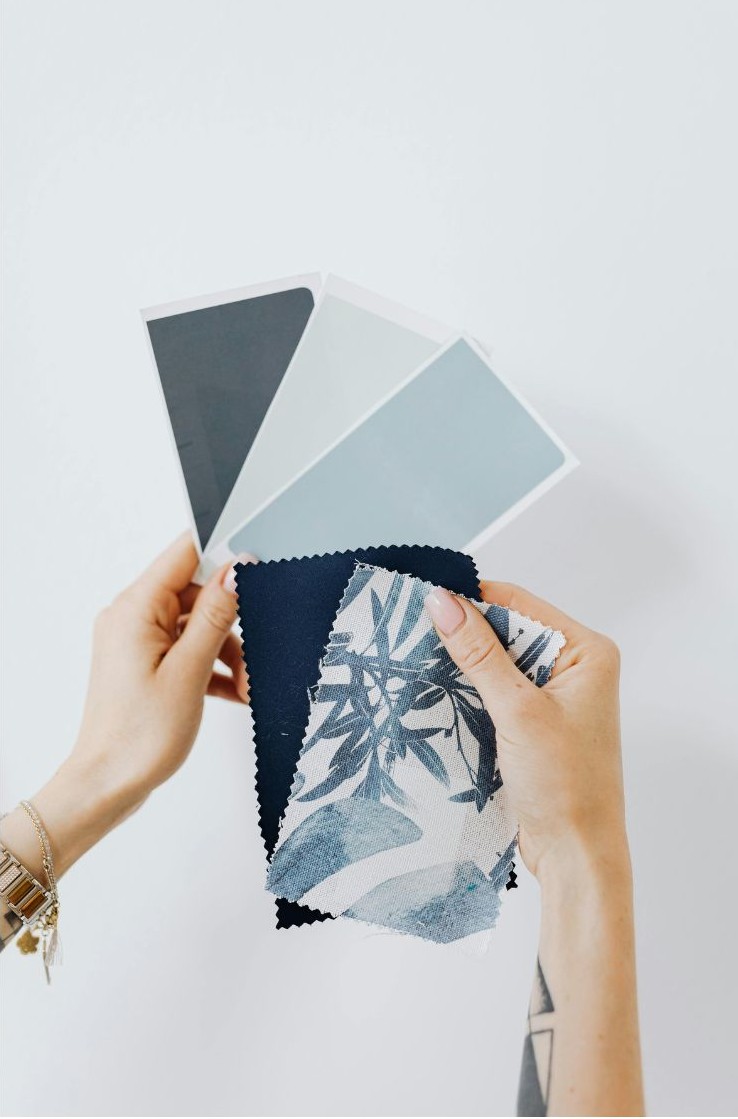
-
Include product inspiration
Download and print images of furniture and accessories you truly love. If you are going to spend hard-earned money, “quite like” is not enough. -
Edit without pressure
Don’t worry about duplications or excess at first. The purpose of the mood board is to refine the colour palette, mood, and overall feel—not to create a final shopping list. -
Add aspirational touches
Include images that simply inspire you—a photograph of peonies, a beautiful vase, or a piece of art. Even if these items are not realistic purchases, they help anchor the mood you are aiming for.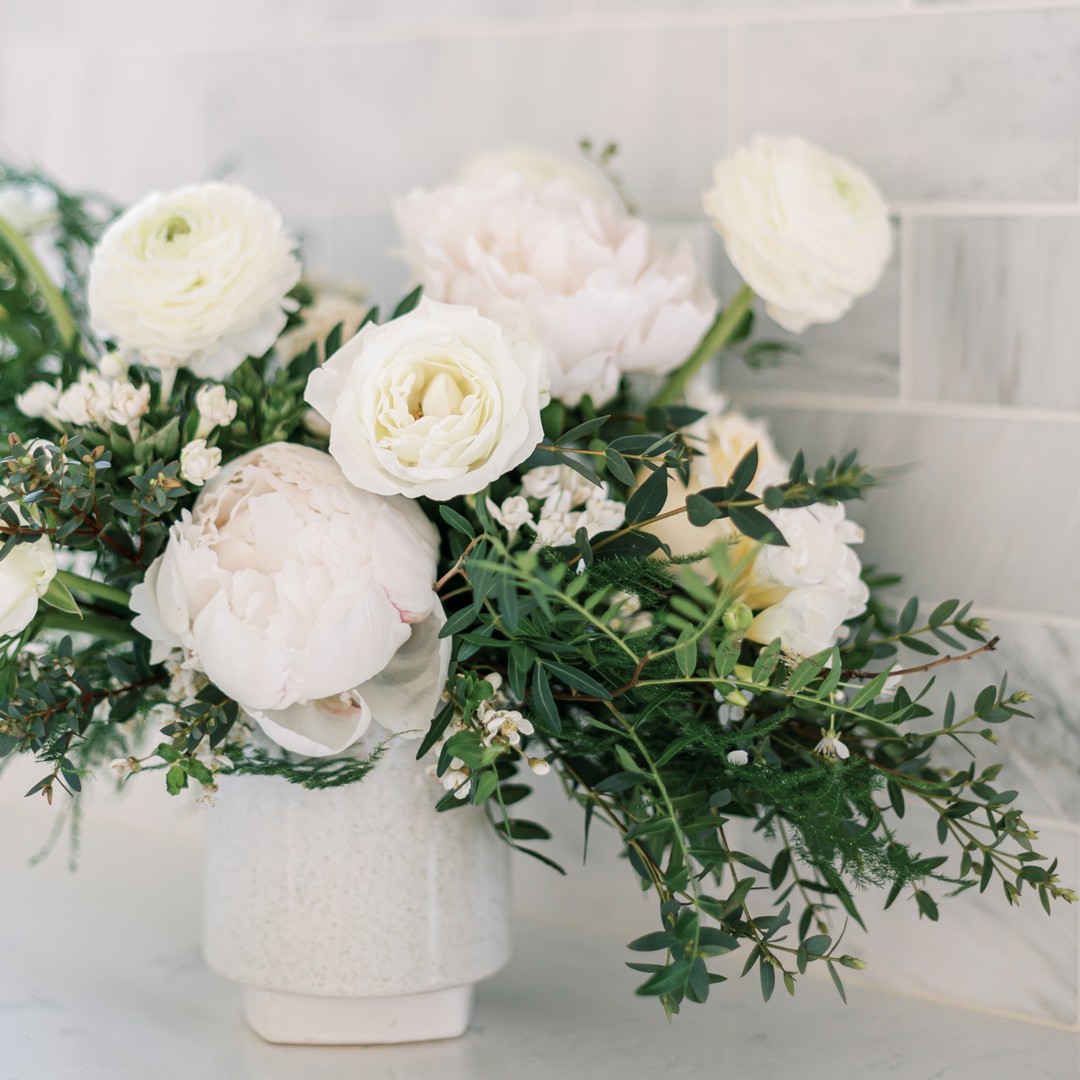
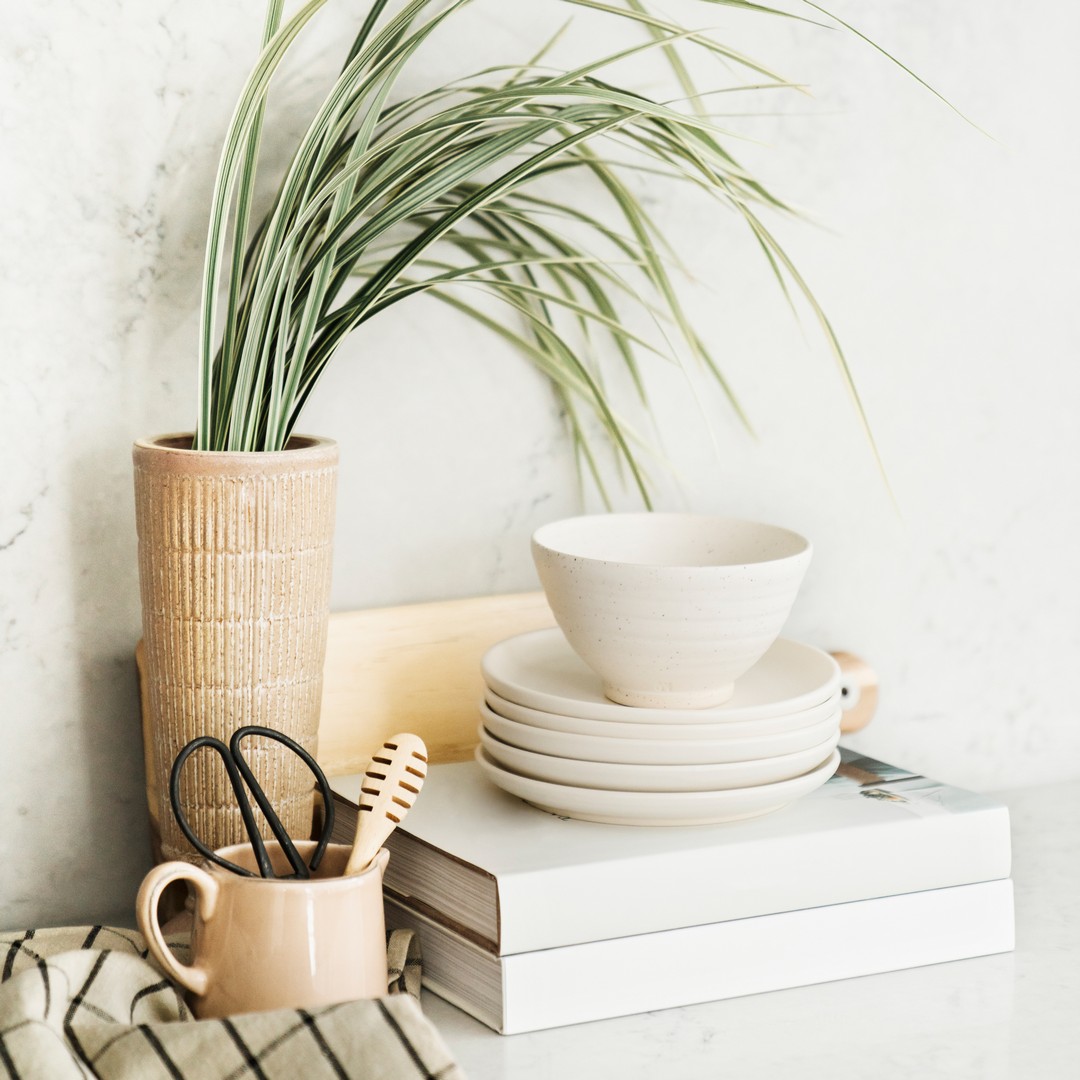
Finally, leave the board on display for a week or two. Live with it. Add and remove elements until the scheme feels resolved and genuinely reflects you.
And remember—if your finished look doesn’t fit neatly into a single style category, that is perfectly fine. A relaxed coastal-boho space with a hint of soft country and a touch of Moroccan silver can be beautiful, provided it is a look you truly love.
If you are building a new home or renovating the one that you have, you should purchase my checklists. You will find all the elements of a new build or exterior and interior renovation that you need to consider, with plenty of space to write down supplier and product details for reference. Gain control and satisfaction when you can check each one off the list.
I also have an online colour consultation service. From just a quick 30 minute zoom session to address one or two key elements through to a full done for you solution for your entire home.
Stay connected with news and updates!
Join our mailing list to receive the latest news and updates from our team.
Don't worry, your information will not be shared.
We hate SPAM. We will never sell your information, for any reason.