In my view there are 5 mistakes that people make when decorating. The good news is that they are easy to fix - I have the run-down on them below:
Not using layers of lighting
You should never, ever rely on just the overhead light in a room. Growing up in England, this was always called the “big light,” and I can still hear my mum scolding, “Turn off that big light!”—as if it were a mortal sin. Looking back as a decorator, she was right.
Lighting should be layered. Start with good overhead (ambient) lighting in the ceiling, then add task lighting such as pendants over tables or kitchen benches. Include wall lights to set a mood and highlight artwork, consider floor lighting for stairs or hallways, and finish with accent lighting like table lamps to create warmth and personality.
Downlights can work well, but always pair them with a dimmer switch and don’t rely on them as the sole source of light.
I have a bit of a crush on table lamps—they make a design statement and provide the perfect mood lighting. No convenient plug socket? No problem. Battery-operated table lamps are now a stylish and practical solution.
Pendant lights don't have to be restricted to a kitchen - they make a statement and add to the layers of lighting in every space.
Related: How to choose table lamps
Not using enough rugs
I can’t help but twitch a little when I walk into a large open-plan space with no rug in sight.
Rugs do so much more than look pretty—they’re a designer’s secret weapon for zoning a room. In an open-plan home, a well-placed rug can clearly define living and dining areas, or even carve out a cosy third sitting nook. Without one, the space risks feeling like a furniture showroom: neat but soulless.
Beyond zoning, rugs add instant warmth and comfort. They invite you—and the kids—to lounge, play, or relax on the floor without a second thought.
And here’s the often-overlooked bonus: acoustics. In a bustling open-plan space, rugs absorb sound, soften echoes, and make the room feel calmer and more connected, even when life is happening all around.
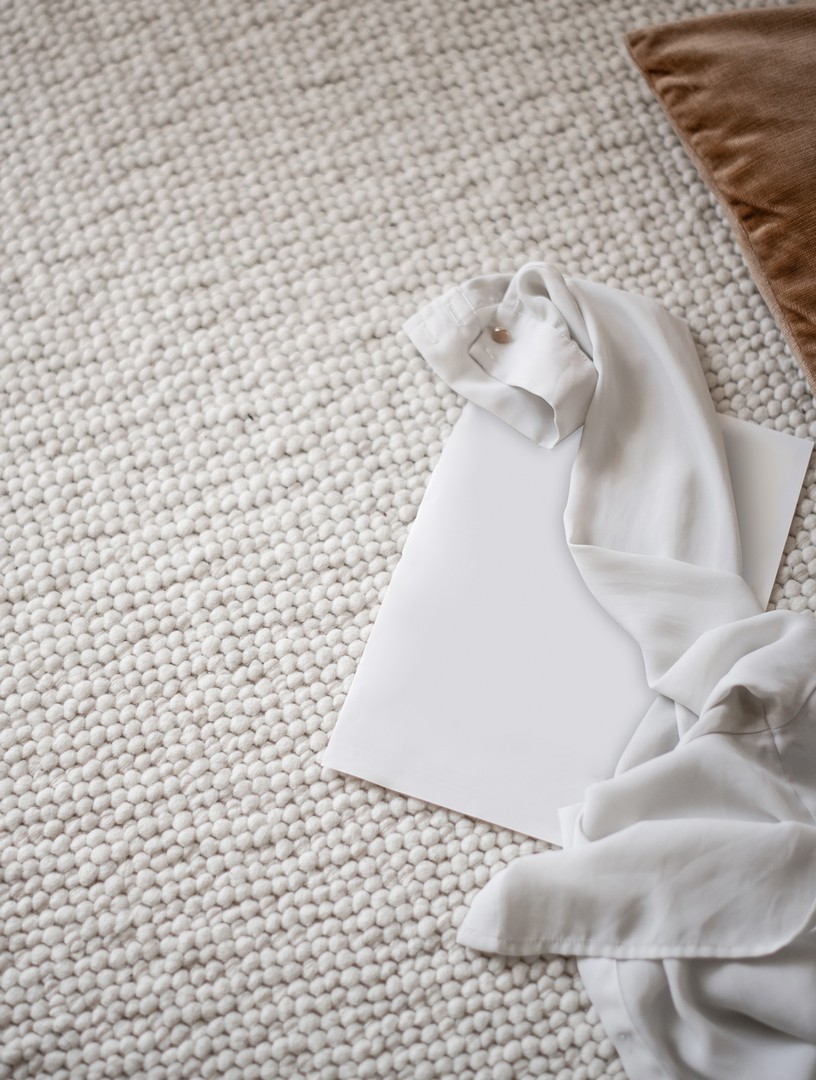
Don't underestimate the acoustic, comfort and design value of a rug.
Related: How to select the right rug
Not getting the placement of artworks right
There’s nothing worse than a large wall with just one or two small pictures on it. Without a grouping or a reference point, they can look lost and lonely, and rather than being pleasing, the arrangement feels off.
Hanging artwork, mirrors, and photos is truly an art, and careful consideration of placement makes all the difference. Here are some simple rules to guide you:
Match the artwork to the wall. If you have just one small piece, find a smaller wall to accommodate it. Consider the ratio of artwork to wall—negative space is just as important as the piece itself.
Think beyond the wall. If a small wall isn’t available, look for other spaces—a shelf, bookcase, sideboard, or console table. Integrating artwork into a vignette with lamps and decorative objects makes it feel intentional rather than ad hoc.
Hang at the right height. A single artwork should generally be at eye level, using the average height of a household member as a guide. When part of a vignette, you can hang it slightly lower or even prop it on furniture so it feels connected to the group.
Pair pieces carefully. If your artwork comes in a pair, group them closely rather than spacing them far apart on a large wall. Use furniture, lighting, or other objects as reference points so the pair feels cohesive.
Create impact with multiple pieces. When you have several artworks, avoid spreading them thin across different walls. Bringing them together in a gallery wall creates far more visual impact than isolated, lonely pieces.
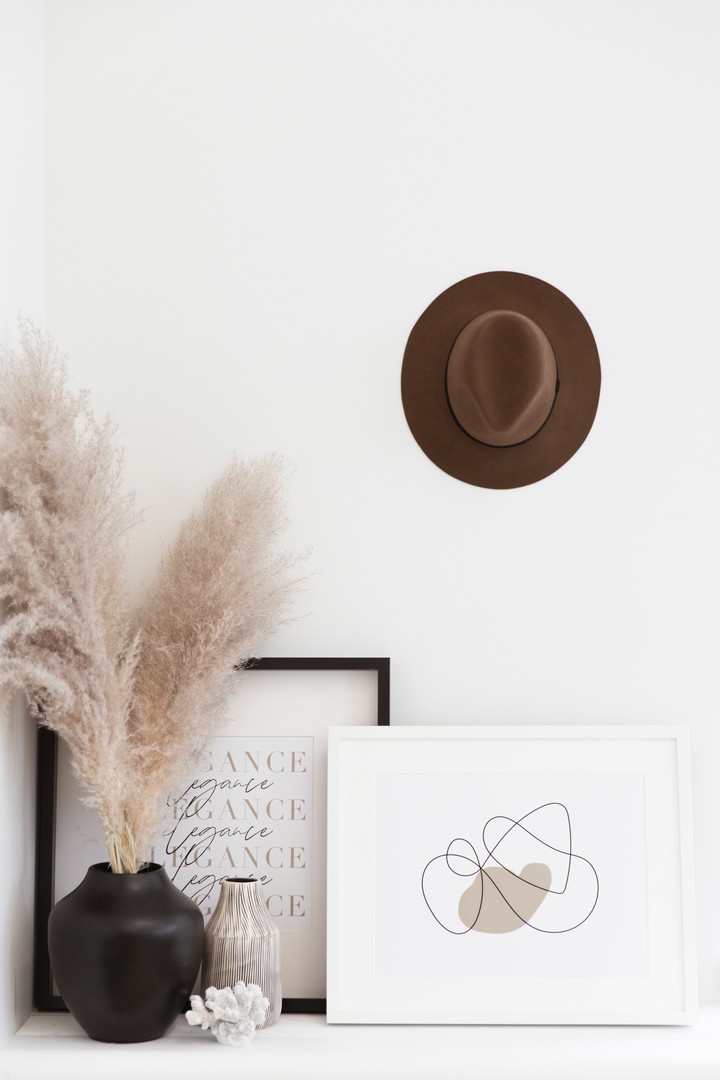
Group artworks as part of a vignette to make a statement. So much better than just placing randomly on a large wall!
Not using your neutrals in layers
Neutrals are often underestimated in interior design. Many people think a neutral room means beige or white everywhere—but when done well, neutrals can be anything but boring. The key is in layering tones and textures.
A successful neutral palette doesn’t rely on a single colour. Instead, it blends a range of different tones to create depth and interest. This layering ensures the room feels rich and inviting rather than flat or sterile.
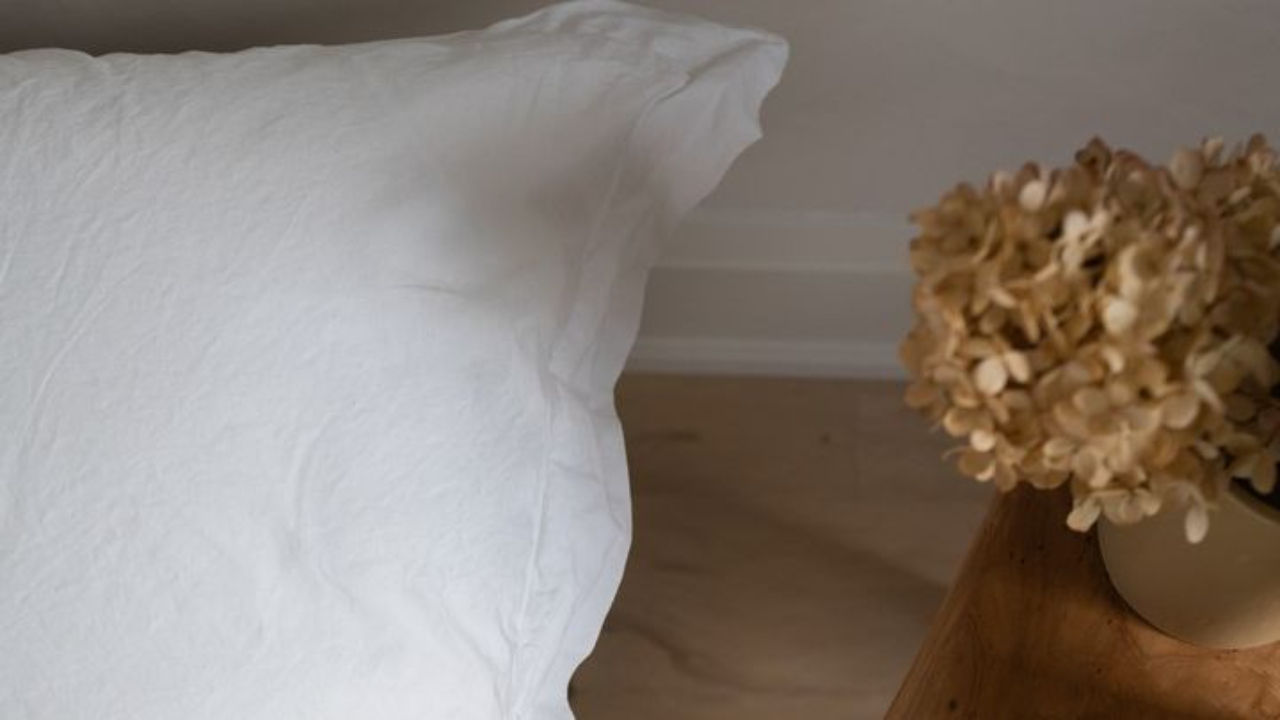
Texture is equally important. Mix smooth and tactile surfaces—linen cushions, wool throws, natural timber, soft rugs, and woven baskets—to give the room dimension and a sense of comfort. Even subtle differences, like a matte wall paired with a slightly shiny ceramic vase, can create visual intrigue without introducing strong colour.
Layered neutrals are versatile too. They allow you to introduce pops of colour or metallic accents without overwhelming the space, and they work in virtually any style, from contemporary to classic, minimalist to cottage. The result is a room that feels harmonious, balanced, and effortlessly elegant.
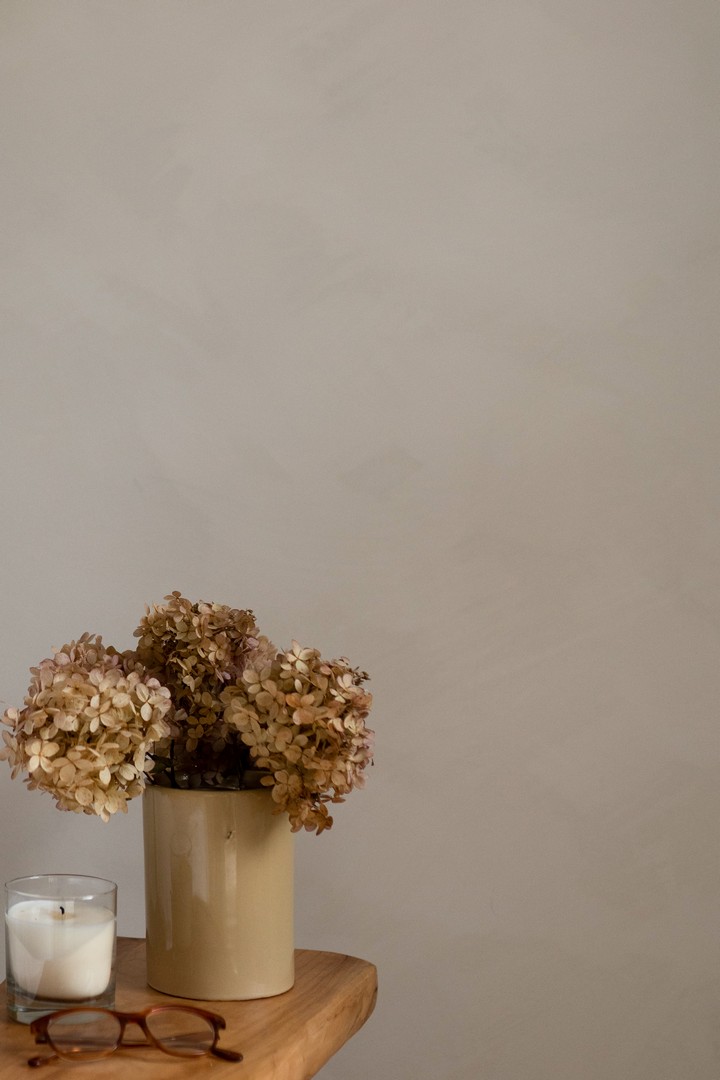
Always introduce layers of neutrals and combine accents of different texture and sheen level for interest.
Being too rigid with your decorating style
It’s easy to fall into the trap of rigidly following a particular style or the latest trend. While it’s fun to be inspired by design movements, a home that strictly adheres to a single style can feel predictable—or worse, impersonal.
The real magic happens when you introduce your own personality into a space with thought and intention. This could be a family heirloom, a favourite piece of artwork, a quirky lamp, or even a mix of textures and patterns that make you smile. These personal touches ensure your home reflects you, not just what’s “on trend.”
Trends are useful—they can guide decisions on colour, materials, or furniture shapes—but they shouldn’t dictate every choice. Instead, use them as a starting point, then layer in the pieces, objects, and colours that resonate with your lifestyle and story. The result is a space that feels authentic, welcoming, and timeless.
Remember: style fades, but personality endures. Your home should feel like a canvas for your life, not a showroom for someone else’s ideas.
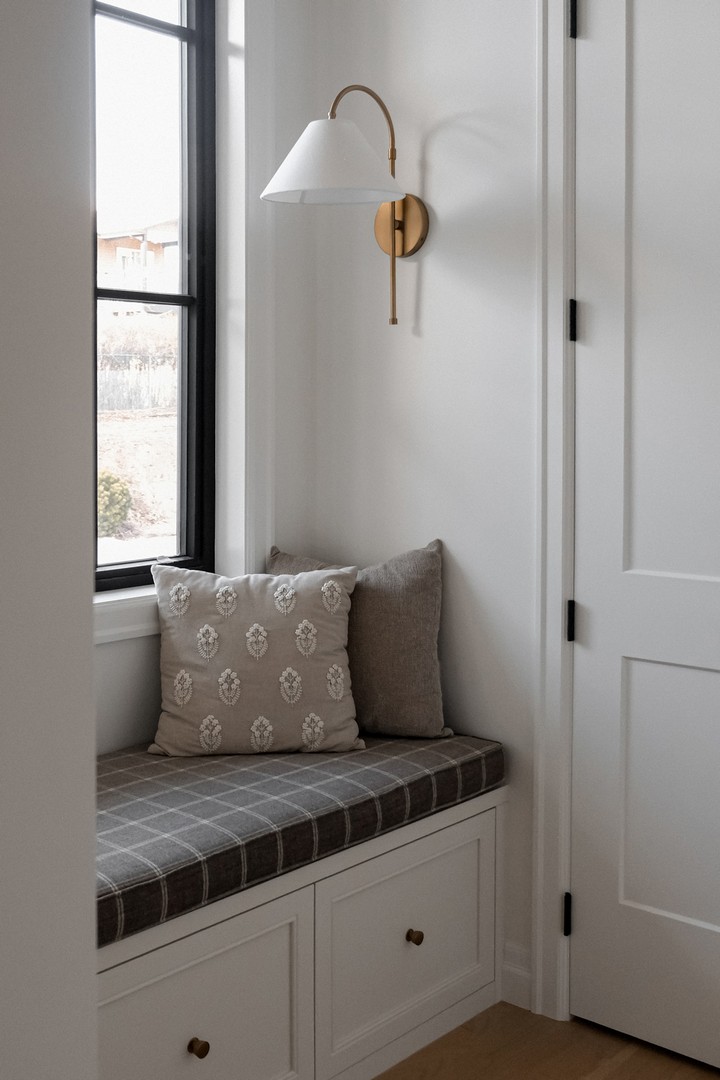
Ensure you add your own personality and colour preferences to home styles to ensure the look is yours.
Related: How to define your decorating style
If you are building a new home or renovating the one that you have, you should purchase my checklists. You will find all the elements of a new build or exterior and interior renovation that you need to consider, with plenty of space to write down supplier and product details for reference. Gain control and satisfaction when you can check each one off the list.
I also have an online colour consultation service. From just a quick 30 minute zoom session to address one or two key elements through to a full done for you solution for your entire home.
Stay connected with news and updates!
Join our mailing list to receive the latest news and updates from our team.
Don't worry, your information will not be shared.
We hate SPAM. We will never sell your information, for any reason.