Mirrors are both functional and highly decorative. Beyond their practical role, they influence light, proportion, and the overall tone of a space. Selecting the right mirror is less about filling a wall and more about choosing a piece that reinforces the architectural language and interior style of your home. The frame, shape, scale, and finish all play a role in achieving a cohesive result.
How to choose mirrors to reflect your style
Beyond choosing a mirror that suits a particular style, it is equally important to consider how that mirror is used within a space. Placement, scale, and context all influence whether a mirror feels intentional or simply decorative.
Mirrors work best when they are responding to something — reflecting natural light, balancing a strong architectural element, or visually expanding a space. In hallways and entryways, mirrors can enhance light and create a sense of arrival. In living areas, they often work well above sideboards or fireplaces, where their scale can anchor furniture and wall space. In bedrooms and bathrooms, mirrors should feel proportionate and aligned with joinery and fittings rather than floating without reference.
Regardless of style, avoid mirrors that are too small for the wall they sit on, or frames that compete with nearby finishes. A mirror should either quietly support the design or confidently act as a feature — rarely does a “halfway” approach work well.
Below is a guide to choosing mirrors that suit six popular interior styles.
Coastal Style
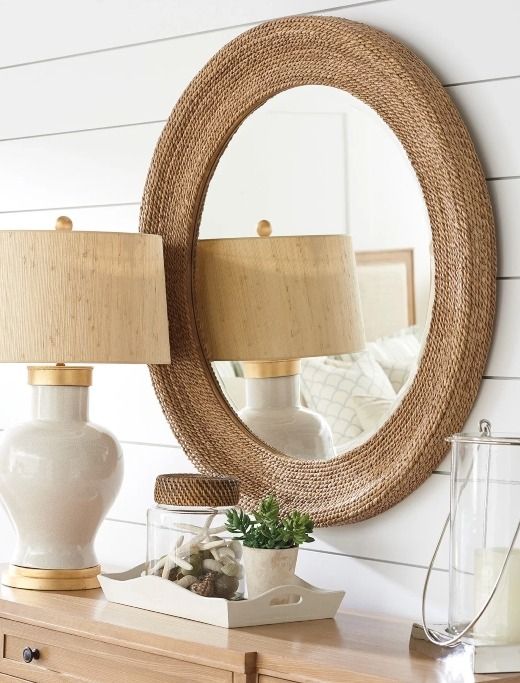
Coastal interiors are light, relaxed, and connected to the outdoors. Mirrors in this style should feel effortless rather than overly polished.
Look for frames in natural materials such as timber, rattan, cane, or lightly whitewashed finishes. Soft curves, imperfect textures, and slightly weathered details work well, as they echo the casual nature of coastal living. Shapes can be round or organic, which helps soften the lines of kitchens, bathrooms, and living spaces.
Avoid mirrors that feel too heavy, ornate, or highly reflective. The goal is to enhance natural light and create an airy feel, not to introduce formality.
Related: Styling a Coastal Interior
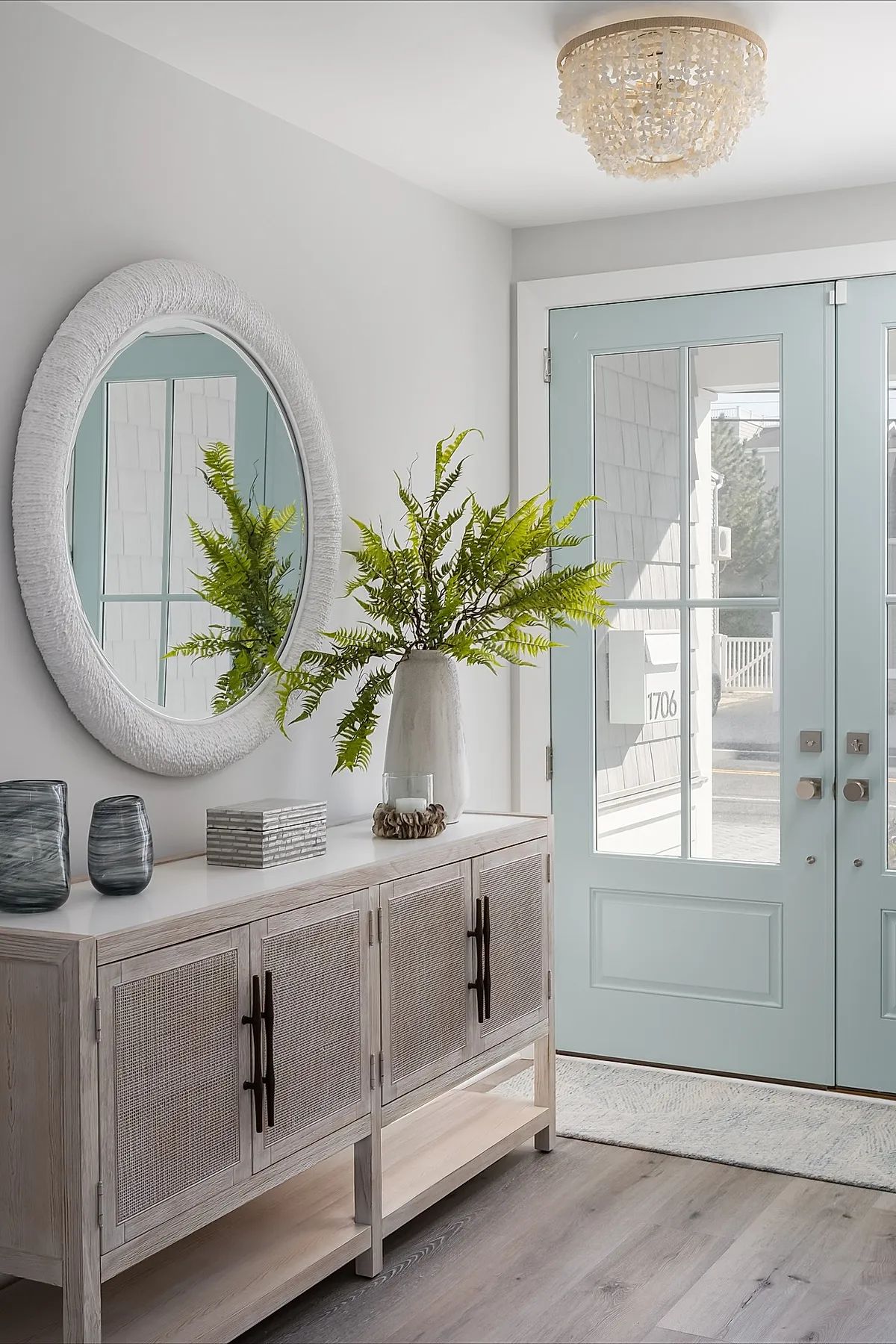
Image: Faye Roeber Interiors
Scandinavian (Scandi) Style
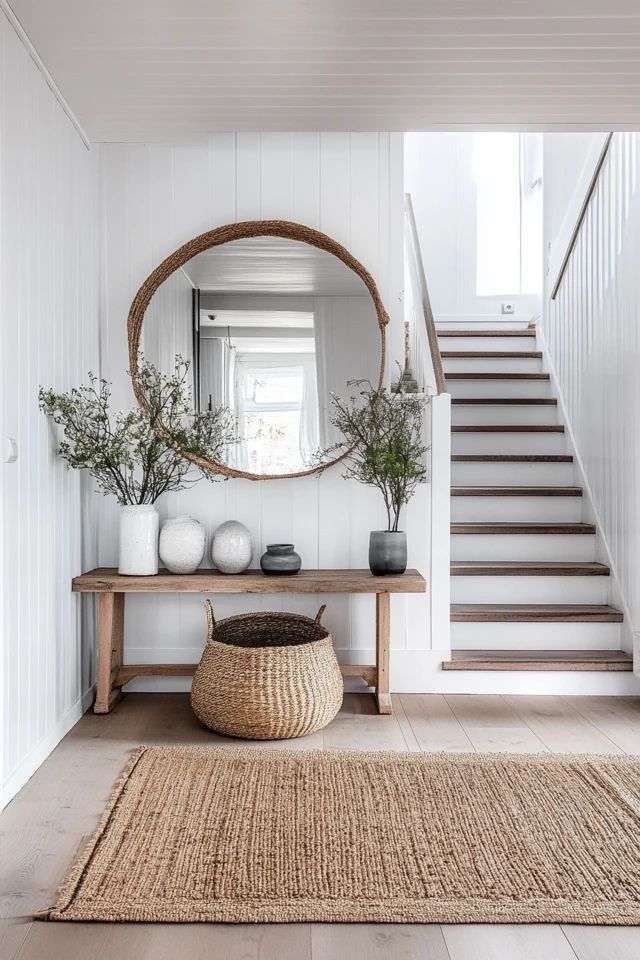
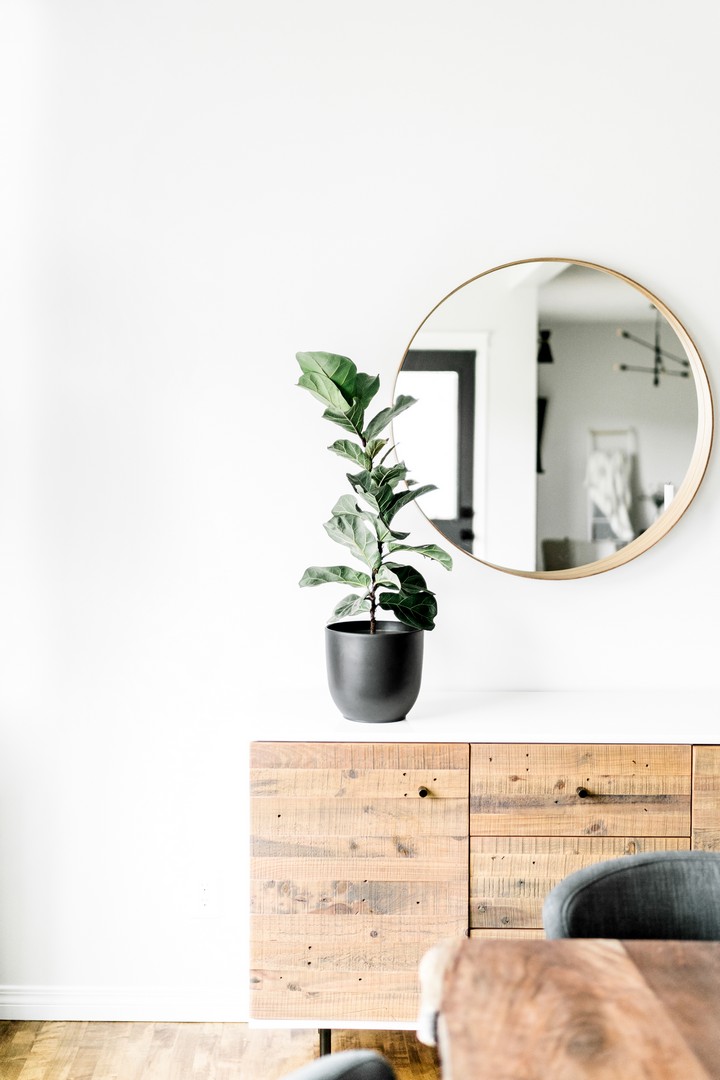
Scandi interiors prioritise simplicity, functionality, and calm. Mirrors should be understated and purposeful.
Frameless mirrors or those with very slim frames in black, white, or pale timber are ideal. Shapes are typically round, oval, or clean-lined rectangles, with little to no decorative detailing. The emphasis is on proportion and placement rather than ornamentation.
In Scandinavian interiors, mirrors often act as quiet architectural elements, helping to bounce light around the space while maintaining a sense of restraint and clarity.
Related: 5 key elements of Scandi Style
British Colonial Style
British Colonial interiors are layered, refined, and rooted in traditional craftsmanship. Mirrors in this style should feel substantial and considered.
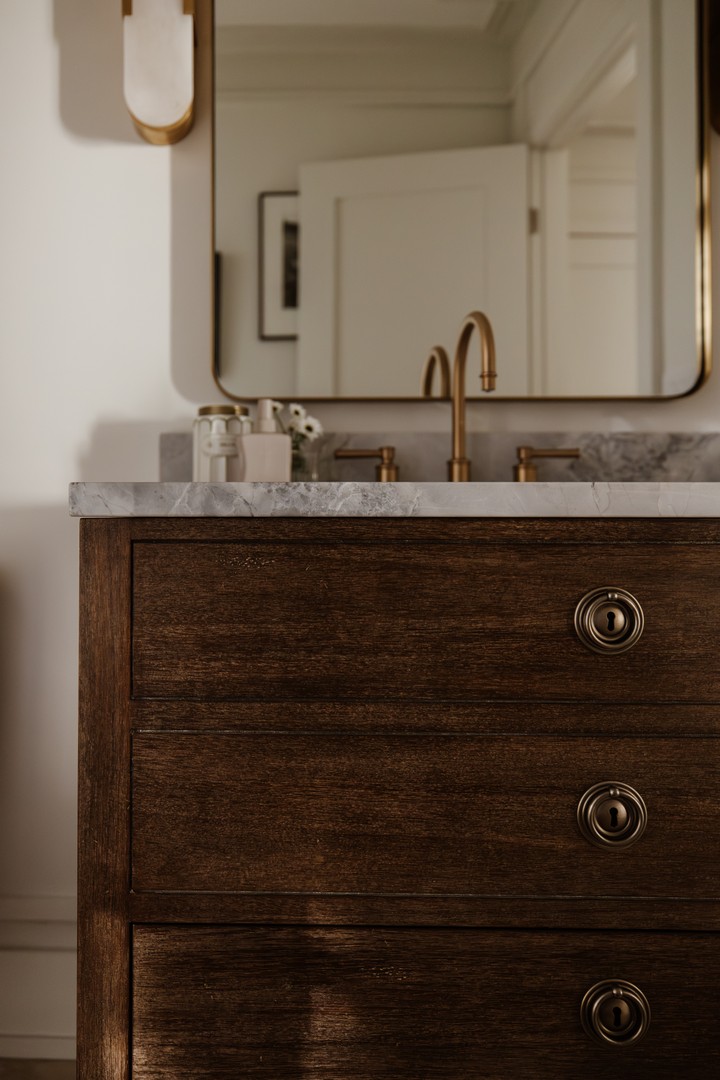
Frames in dark or mid-tone timber, aged brass, bronze, or antique gold finishes work well. Details such as bevelled edges, panelled frames, or subtle classical proportions add depth without becoming overly ornate.
Scale is important in this style. Larger mirrors with presence suit entry halls, dining rooms, and bedrooms, reinforcing the sense of heritage and formality that defines British Colonial interiors.
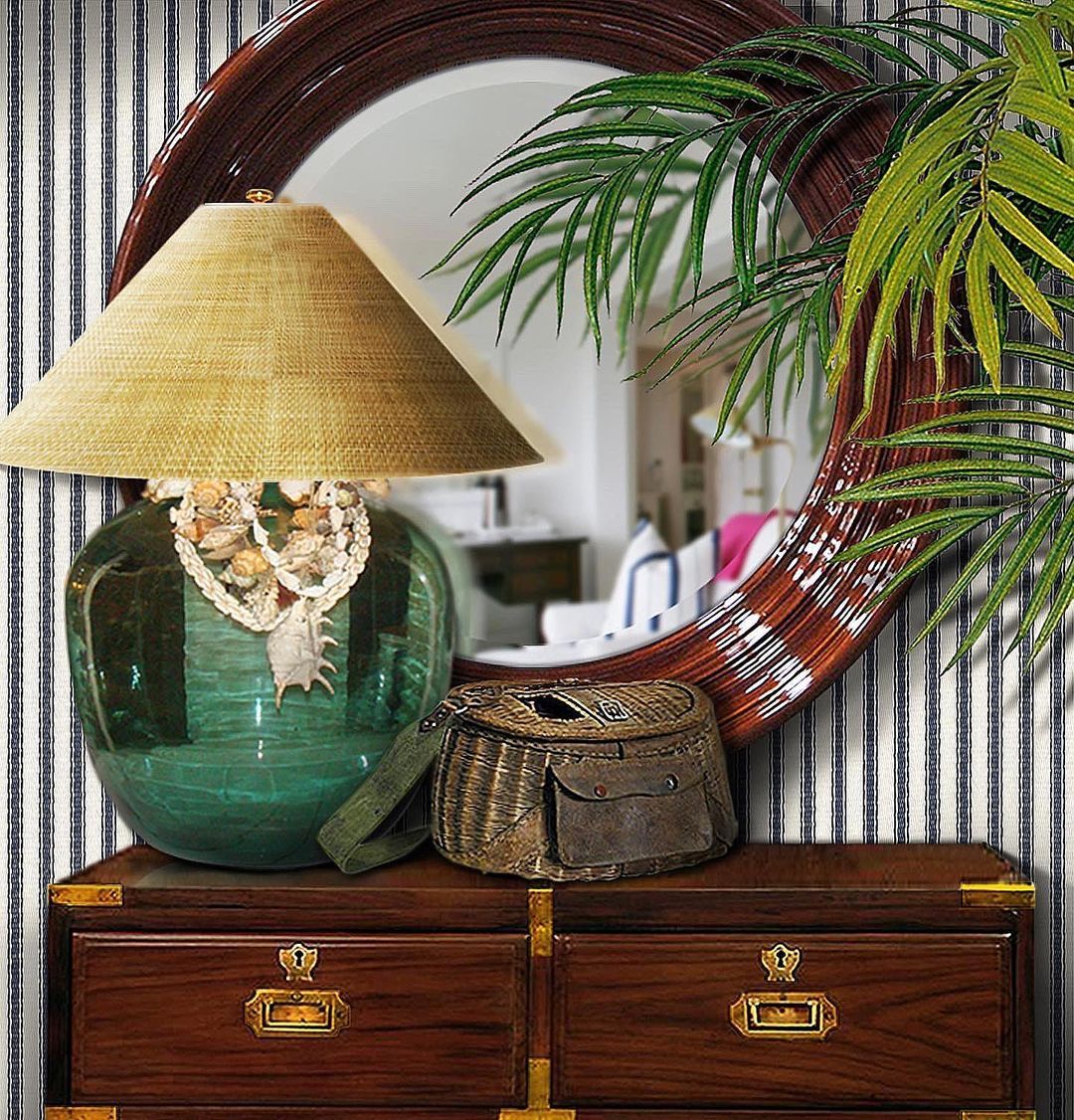
Image: Stuart Membery
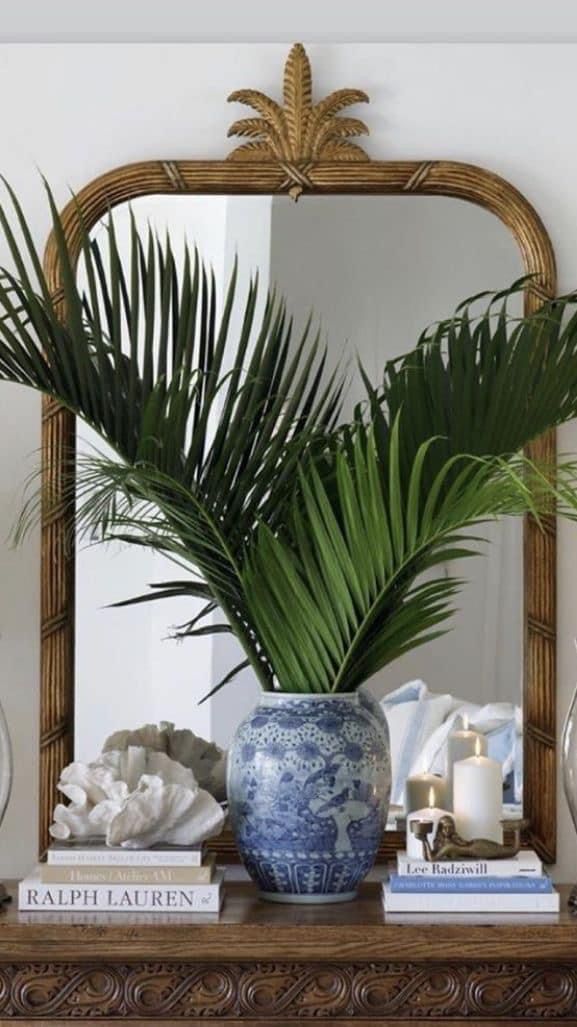
Related: British Colonial Style - 7 steps to achieve this look
Hamptons Style
Hamptons interiors balance classic elegance with coastal ease. Mirrors should reflect this combination of polish and lightness.
Look for mirrors with soft detailing — gently profiled frames, subtle curves, or classic rectangular shapes with refined edges. White, off-white, soft metallics, and pale timber finishes all sit comfortably within this style. For a touch of contrast, you can also introduce black mirrors.
Mirrors are often used as statement pieces in Hamptons homes, particularly in entryways and living areas, so scale and symmetry matter. A well-proportioned mirror can anchor a space and enhance the sense of understated luxury.
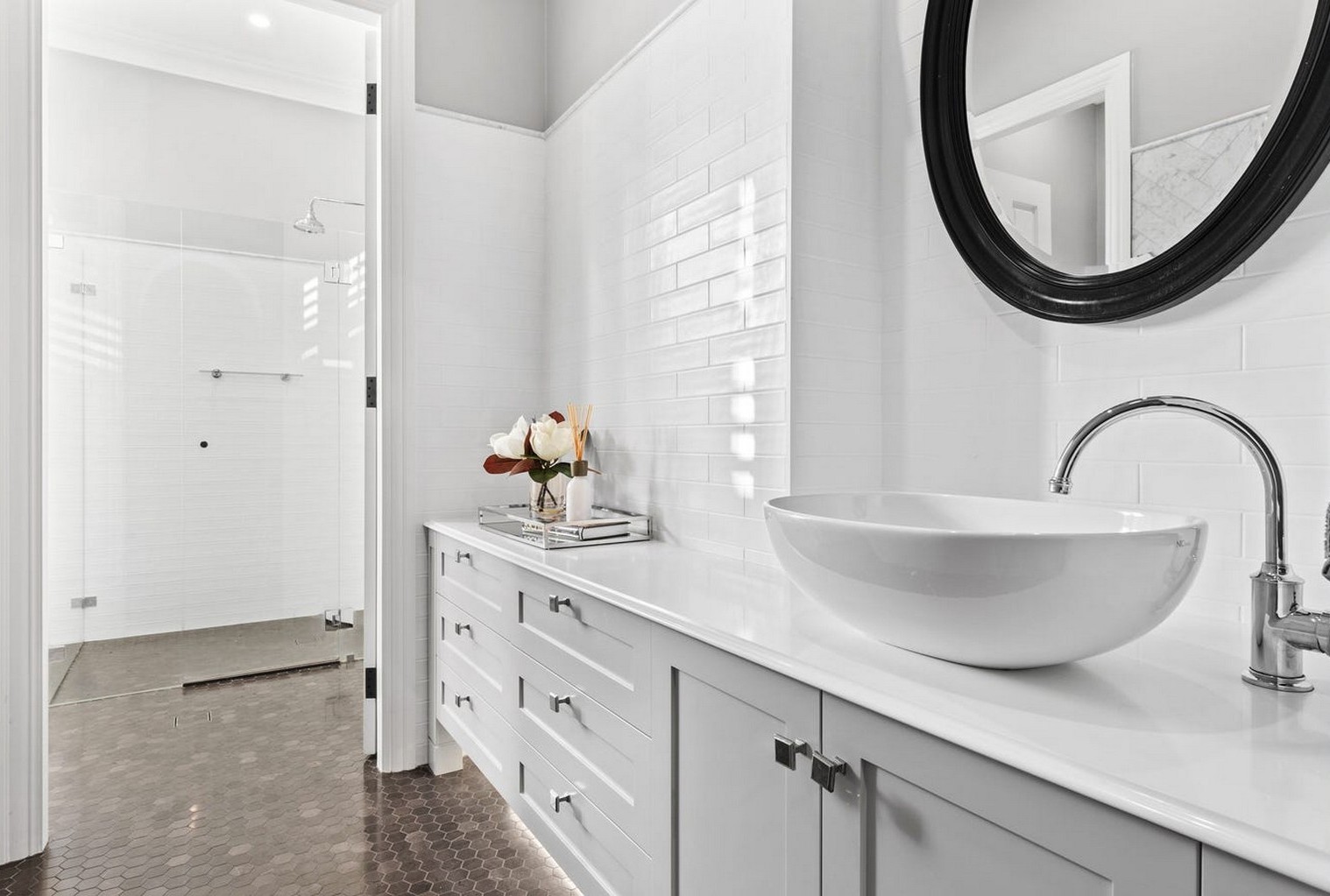
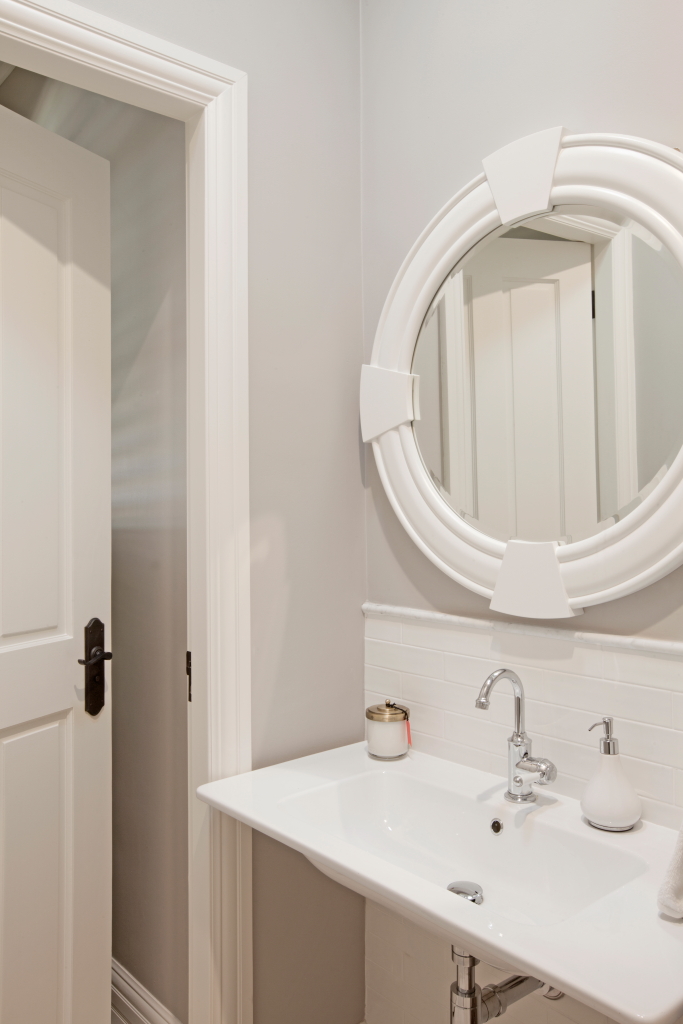
Related: Hamptons Style - 7 steps to achieve this look
Transitional Style
Transitional interiors sit between traditional and contemporary, making balance the key consideration when selecting mirrors.
Frames should be clean but not stark — think simple profiles in warm metallics, soft black, or mid-tone timber. Shapes can be classic, such as rectangles or ovals, but with pared-back detailing. Avoid anything too ornate or overly minimal, as either extreme can disrupt the balance of the space.
In transitional homes, mirrors often act as a bridge between old and new elements, helping to unify the overall design.
French Provincial Style
French Provincial interiors are elegant, romantic, and rooted in classical European design. Mirrors in this style are often more decorative and expressive, reflecting the craftsmanship and refinement associated with traditional French homes.
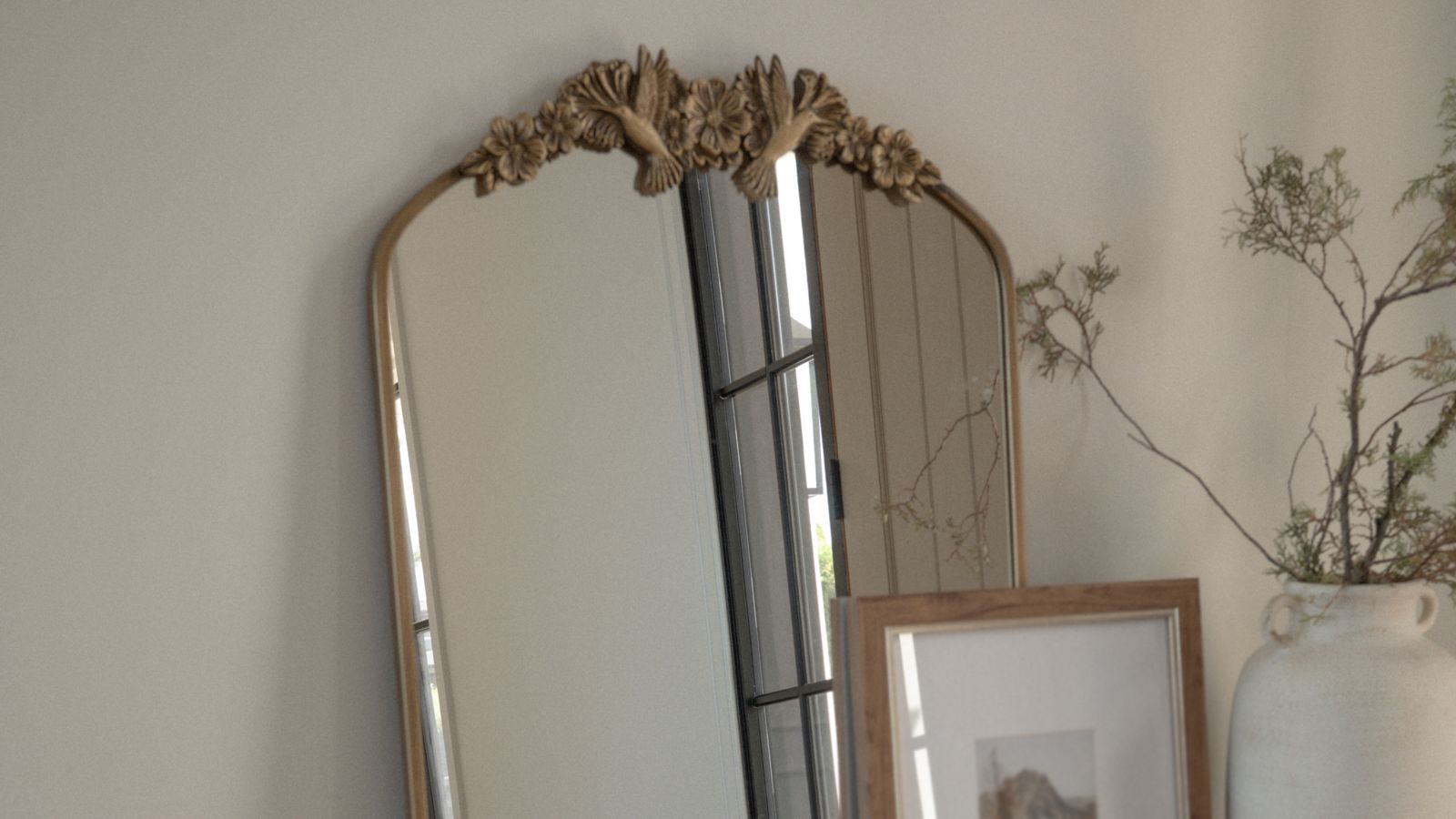
Look for mirrors with curved profiles, ornate detailing, or carved frames. Antique gold, soft silver, aged brass, and painted finishes in white, cream, or pale grey are all appropriate. Bevelled glass and gently distressed finishes add authenticity and depth, helping the mirror feel layered rather than overly polished.
Scale is important in French Provincial spaces. Larger mirrors work beautifully over fireplaces, consoles, and bathroom vanities, reinforcing symmetry and formality. Where possible, mirrors should feel like furniture pieces rather than accessories — substantial, grounded, and visually connected to surrounding elements.
When using mirrors in this style, restraint is still key. While decoration is encouraged, too many ornate elements in one space can feel heavy. A well-chosen mirror can provide the decorative highlight, allowing other finishes to remain more subdued.
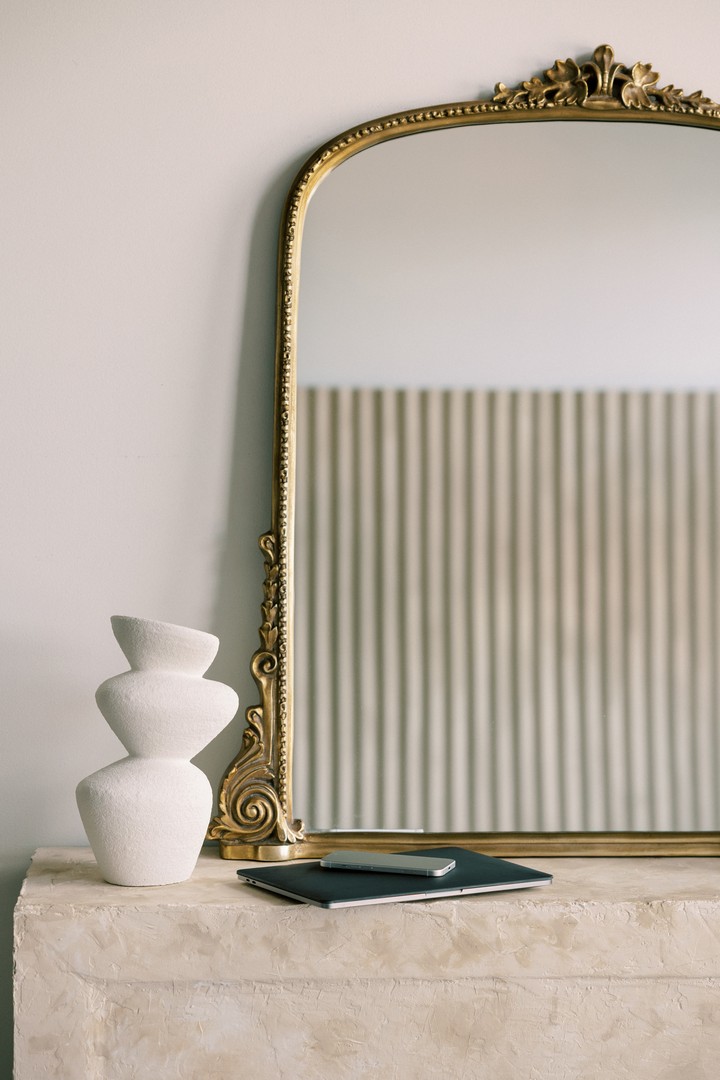
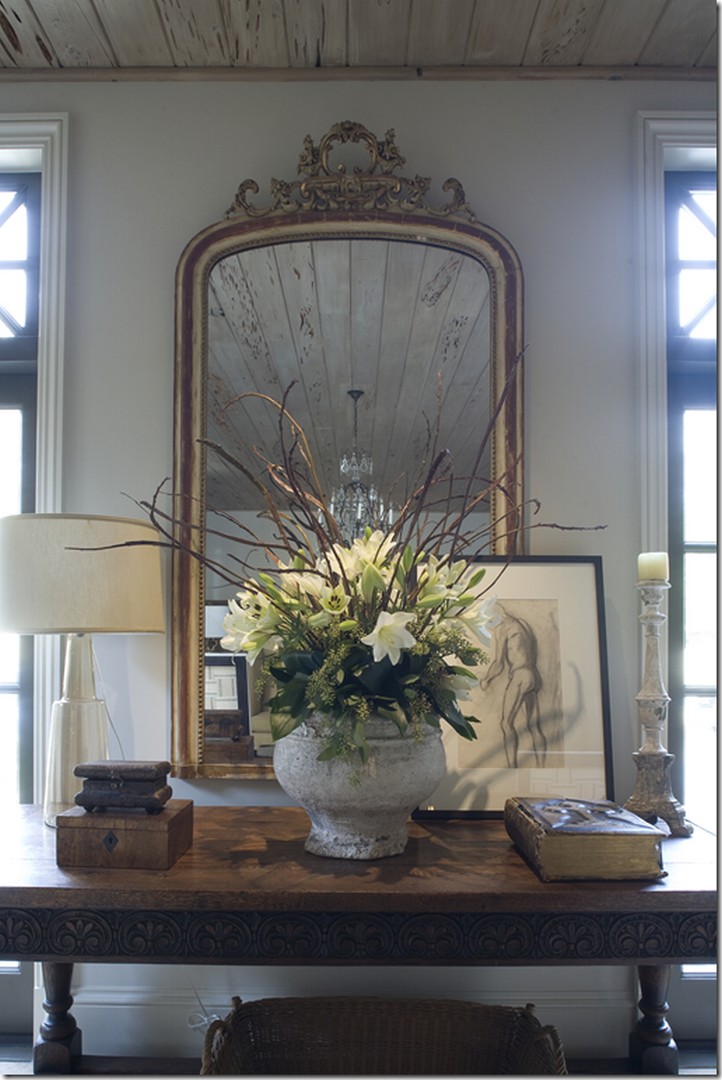
Image: Decorating in Birmingham
Related: My Guide to French Provincial Style
Final Thoughts
Regardless of style, the most successful mirror choices consider scale, placement, and context. A mirror should feel intentional, connected to the architecture of the room, and aligned with the broader interior scheme. When chosen well, mirrors do far more than reflect a space — they reinforce its character and elevate the design as a whole.
If you are building a new home or renovating the one that you have, you should purchase my checklists. You will find all the elements of a new build or exterior and interior renovation that you need to consider, with plenty of space to write down supplier and product details for reference. Gain control and satisfaction when you can check each one off the list.

Buy checklist now
I also have an online colour consultation service. From just a quick 30 minute zoom session to address one or two key elements through to a full done for you solution for your entire home.