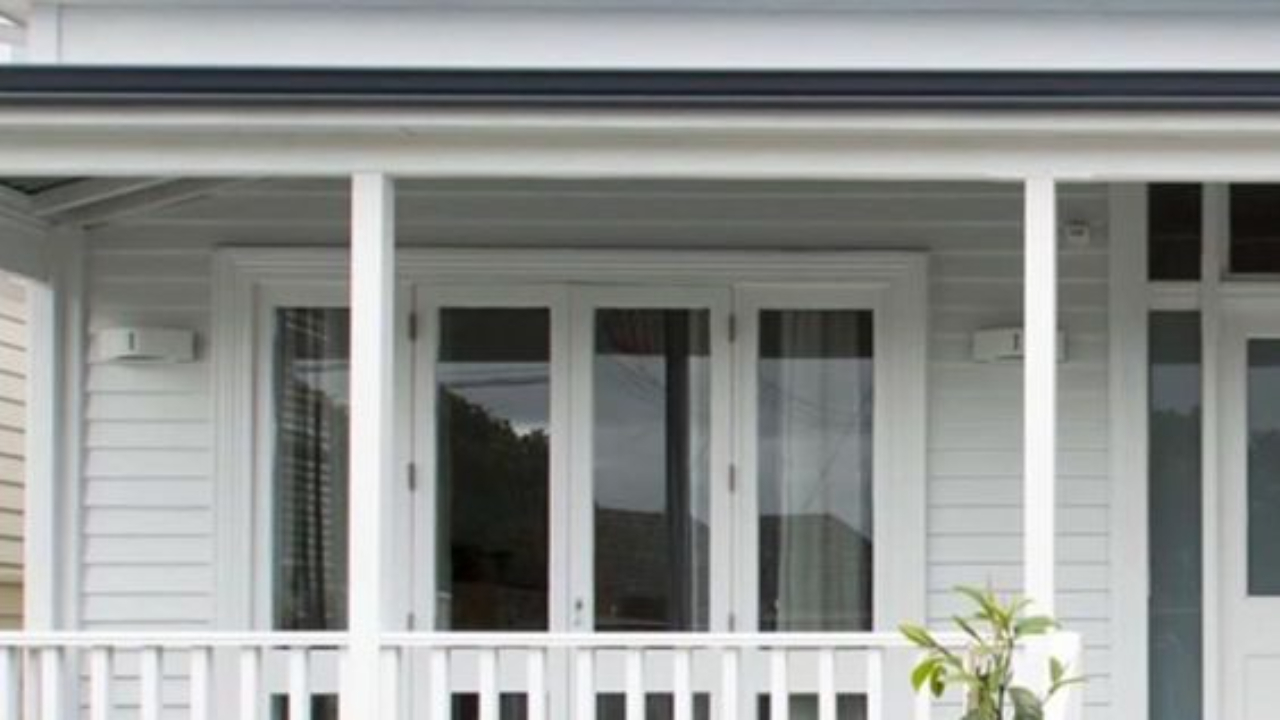
Few exterior styles feel as quintessentially Australian as a weatherboard home. There’s something effortlessly appealing about their relaxed elegance—timeless, versatile, and equally suited to both classic and contemporary design.
Whether you’re renovating an existing home or designing a new build, weatherboards offer a beautiful foundation that can be tailored to suit your personal style. With the right colour palette and detailing, they can feel coastal, modern, heritage-inspired, or somewhere in between.
In this post, I’ll walk you through why weatherboard homes continue to be such a favourite—and how to make them work beautifully for your own home.
What is a Weatherboard Home?
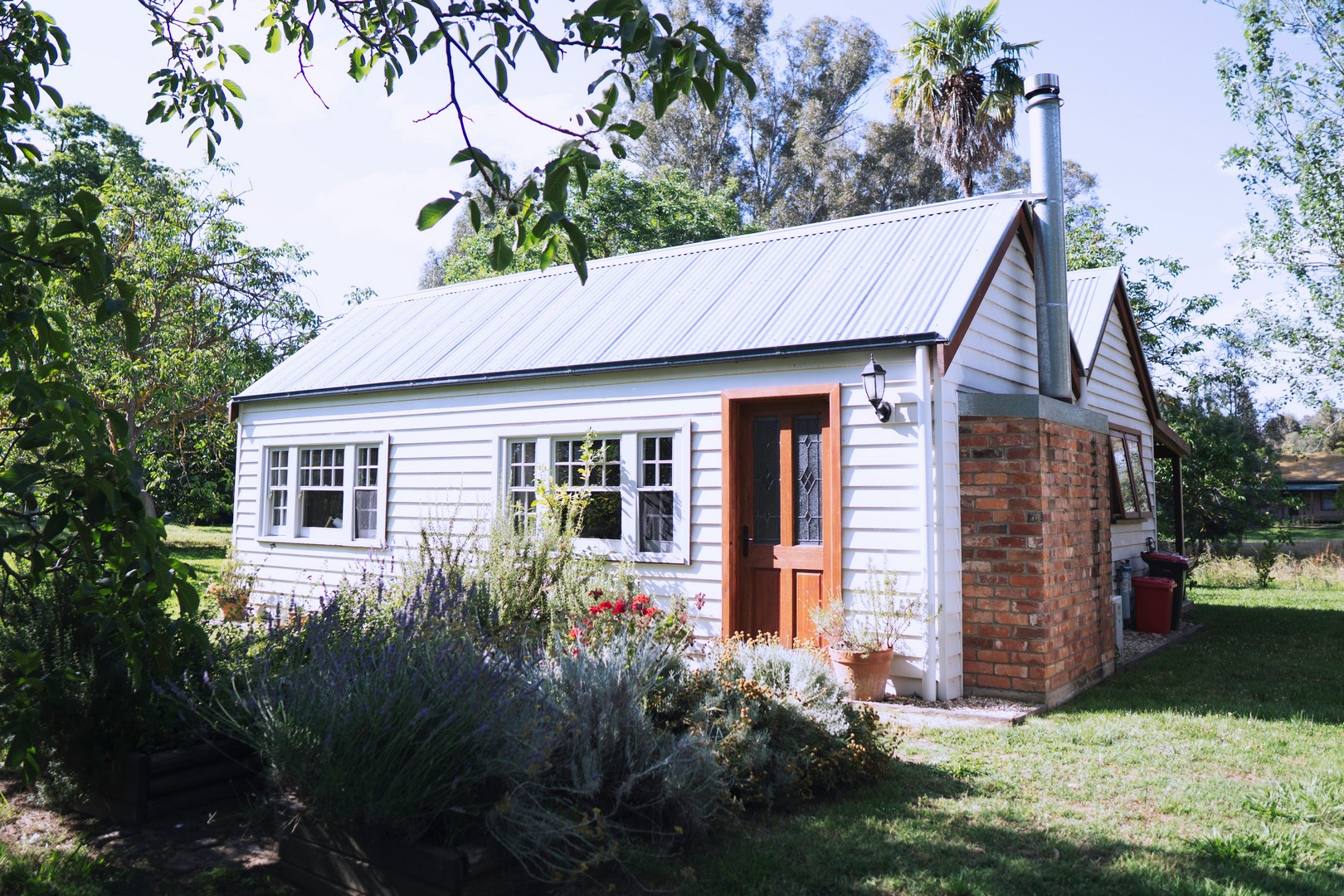
A weatherboard home is defined by its external cladding—horizontal boards that slightly overlap one another to create a layered effect. Traditionally made from timber, weatherboards are now also available in durable alternatives such as fibre cement.
One of their most distinctive features is the shadow line created by each overlapping board. This subtle detail adds texture and depth to the façade, which becomes especially important when selecting colours.
Why Weatherboard Homes Are So Loved in Australia
Weatherboard homes have long been part of the Australian architectural landscape, particularly in coastal and suburban areas. Their appeal lies in a combination of practicality and aesthetic charm.
They feel:
- Relaxed and welcoming
- Light and breathable in appearance
- Perfectly suited to our climate and lifestyle
There’s also a strong sense of nostalgia attached to weatherboard homes. They evoke a feeling of familiarity and comfort—yet with the right updates, they can feel incredibly fresh and modern.
The Versatility of Weatherboard Exteriors
One of the greatest strengths of weatherboards is their versatility.
They work beautifully across a range of styles, including:
- Coastal and beachside homes
- Hamptons-inspired designs
- Modern farmhouse aesthetics
- Updated heritage homes
- Contemporary builds with clean lines
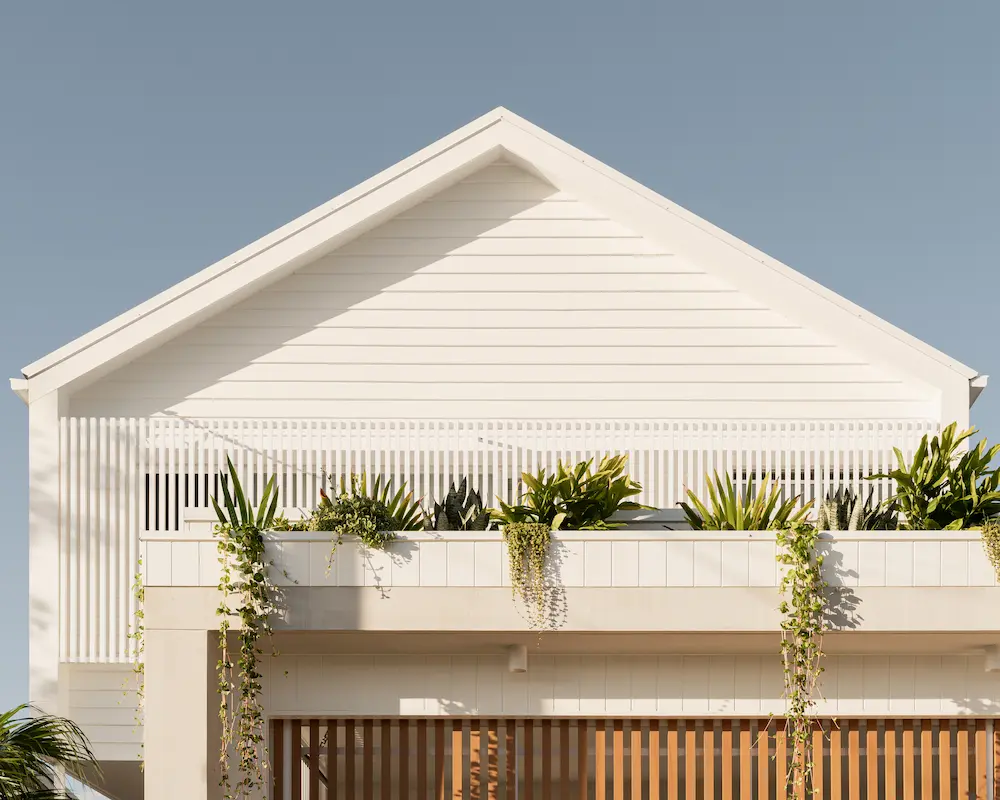
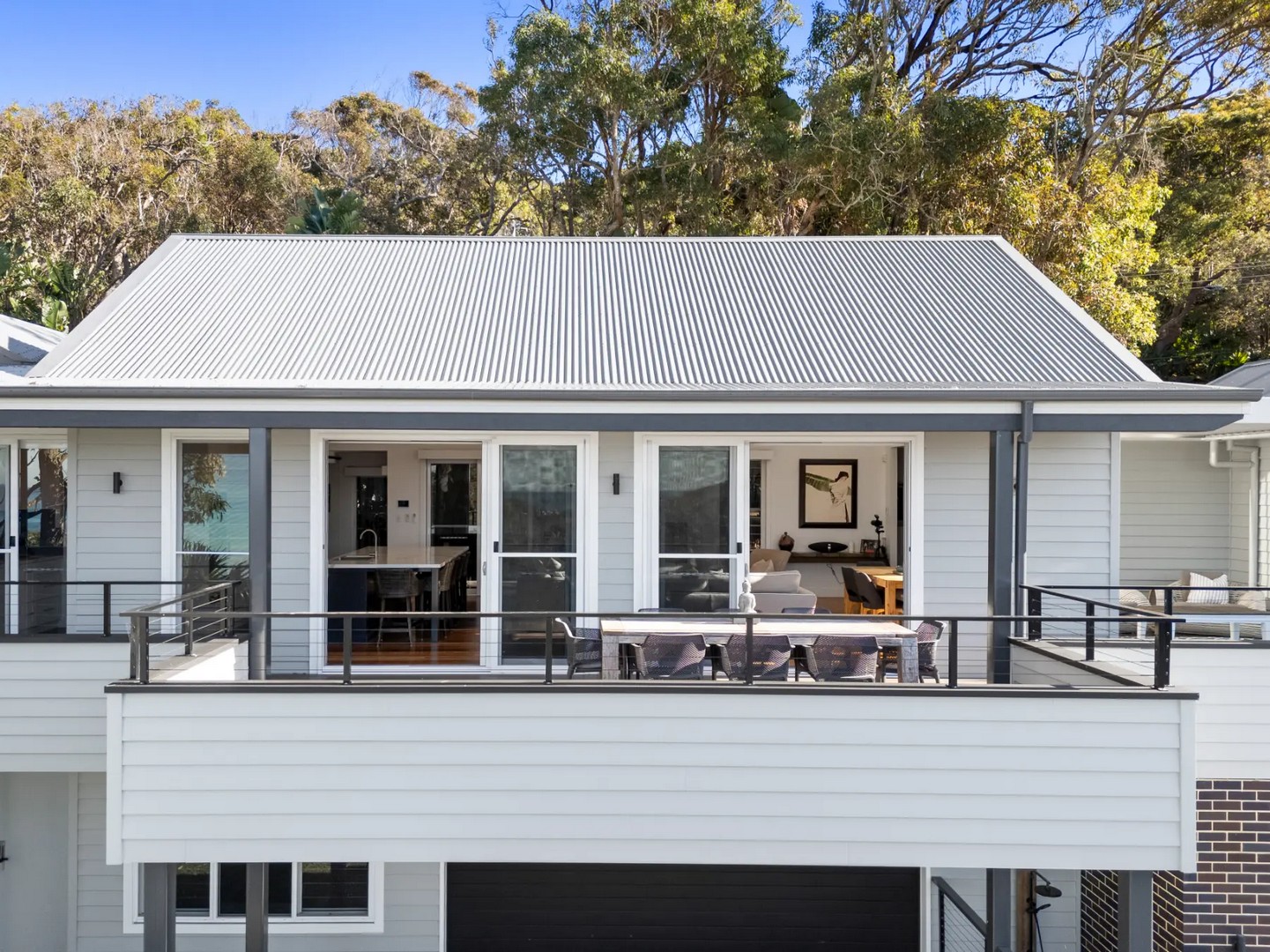
Image: James Hardie, Bowe Projects
Weatherboards also pair effortlessly with other materials. You’ll often see them combined with:
- Natural stone
- Rendered elements
- Brick bases
- Metal roofing
- Timber accents
This ability to layer materials allows you to create depth and interest while still maintaining a cohesive overall look.
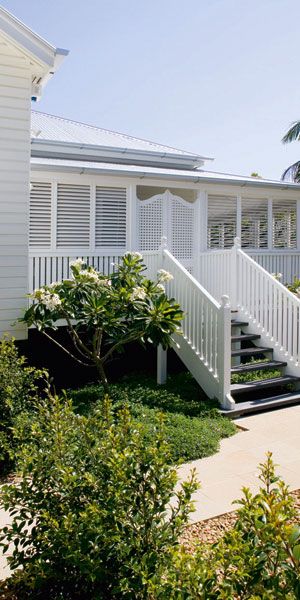
Related: Why I love a crisp white trim
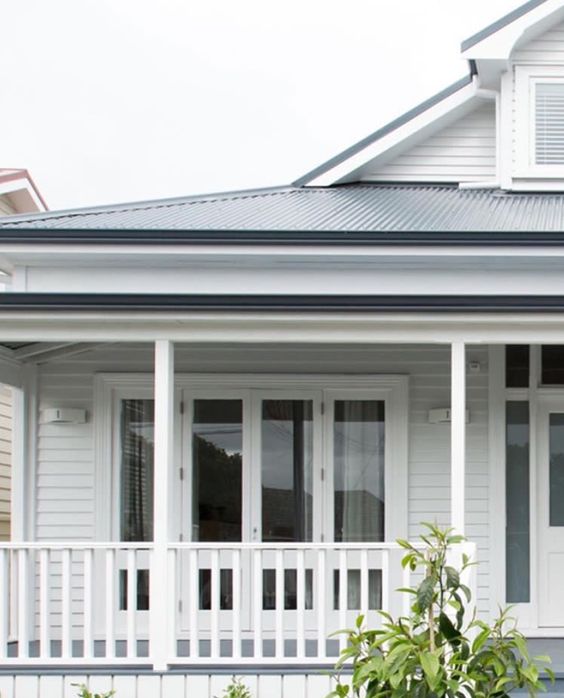
While often associated with traditional architecture, weatherboards are equally effective in modern design.
When paired with:
- Large windows
- Minimal trims
- Dark or black joinery
- Simple rooflines
…they take on a much more contemporary feel.
The key is restraint. By simplifying detailing and focusing on clean lines, weatherboards can feel architectural rather than decorative.
They also provide a softness that balances more modern elements, preventing a home from feeling too harsh or stark.
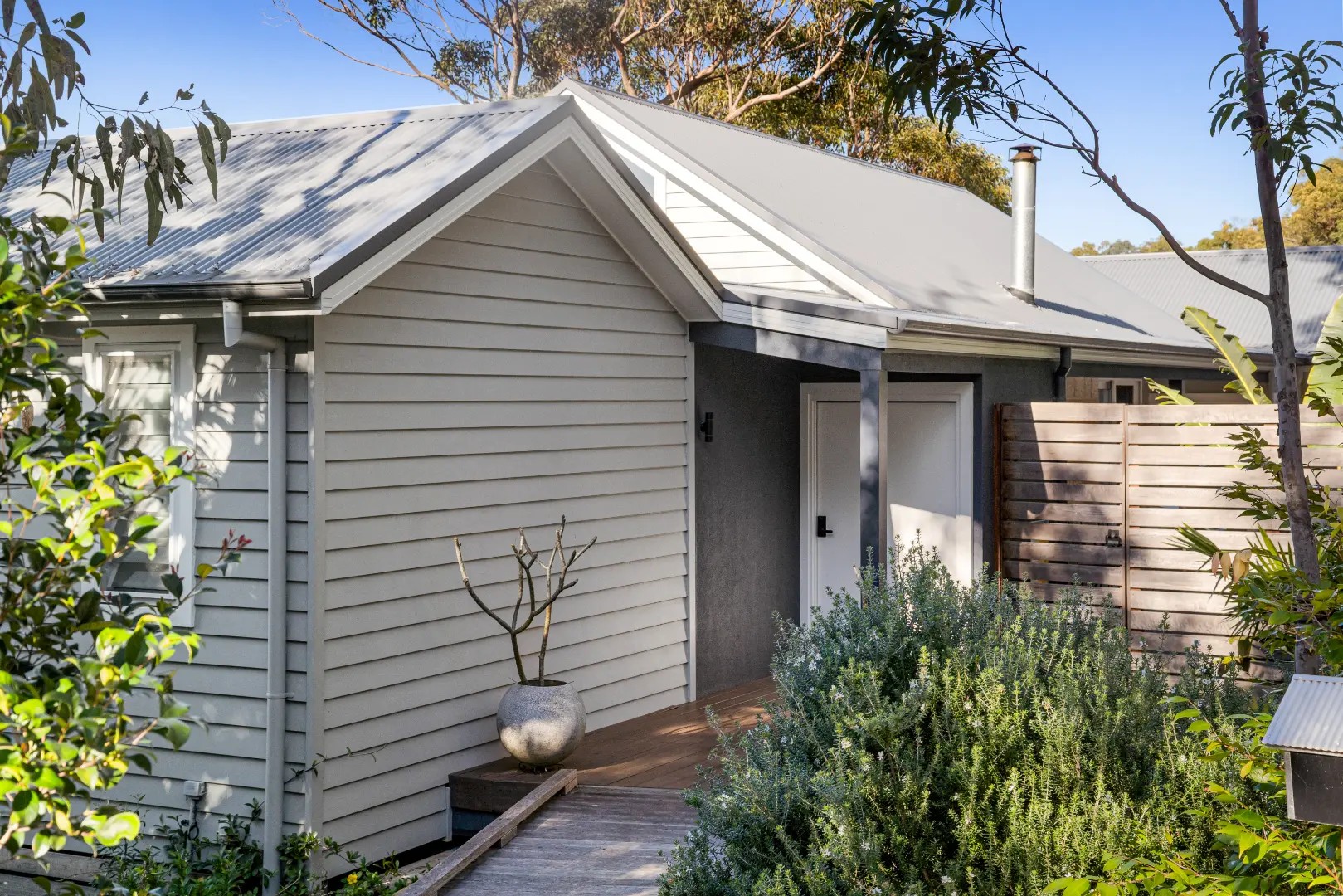
Best Colour Schemes for Weatherboard Homes
Colour is where weatherboard homes truly come to life—and it’s also where careful consideration is needed.
Because of the shadow lines, colour will read differently across the surface, creating natural variation and depth.
Some of the most effective colour directions include:
Soft Warm Whites
A classic choice that enhances the texture of the boards without overwhelming the façade. Perfect for coastal and timeless styles.
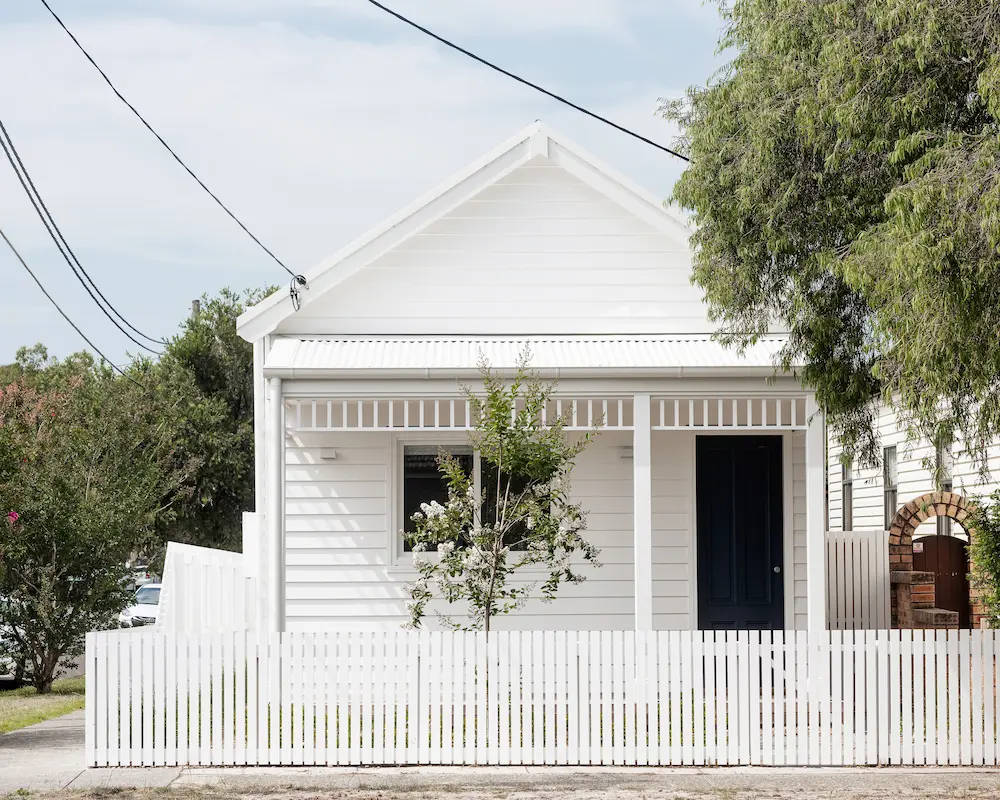
James Hardie Linea Weatherboards
Muted Neutrals
Soft greys, warm beiges, and greige tones create a sophisticated and understated look.
Deep, Moody Tones
Charcoal, deep navy, and dark greens can look incredibly striking on weatherboards, particularly when paired with lighter trims or natural materials.
Tonal Layering
Using variations of the same tone across cladding, trim, and features creates a cohesive and refined result.
Designer Tip:
Because weatherboards rely on shadow and light, always test your colours in natural daylight. Undertones will become more noticeable across the layered surface.
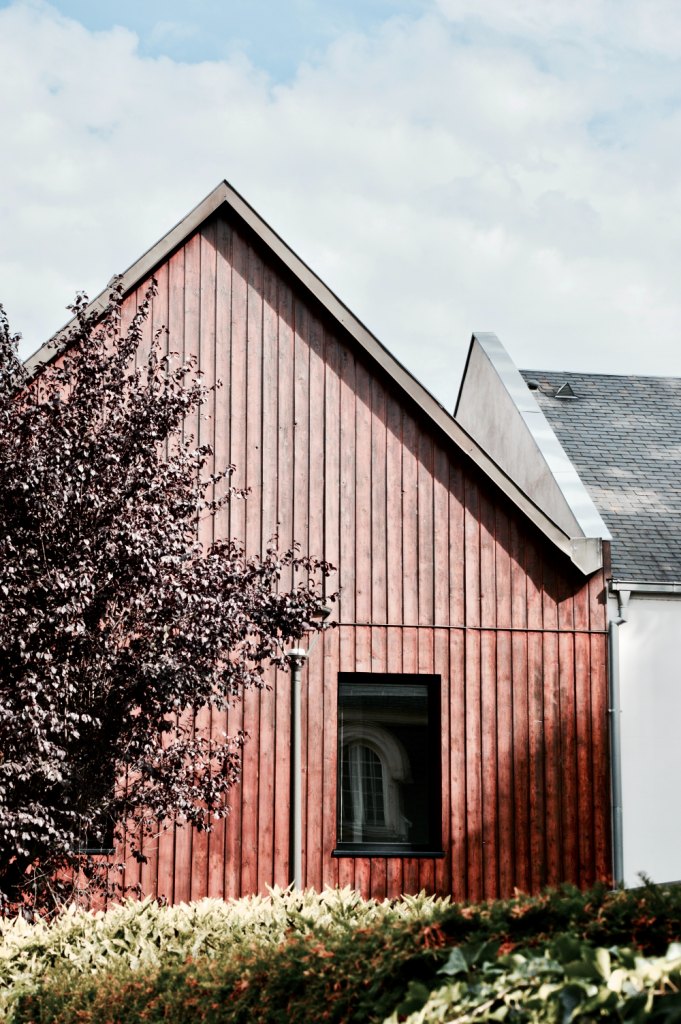
Light vs Dark Weatherboard Looks
Both light and dark schemes can work beautifully—it simply depends on the look you want to achieve.
Light Weatherboards:
- Feel fresh, open, and timeless
- Reflect more light, ideal for coastal settings
- Work well with crisp white trims or soft tonal contrasts
Dark Weatherboards:
- Create a bold, architectural statement
- Highlight the texture and shadow lines
- Pair beautifully with timber, stone, and brass accents
The key is balance. Darker schemes often benefit from lighter elements or natural timber and stone to soften the overall look, while lighter homes can be grounded with darker trims or roofing.
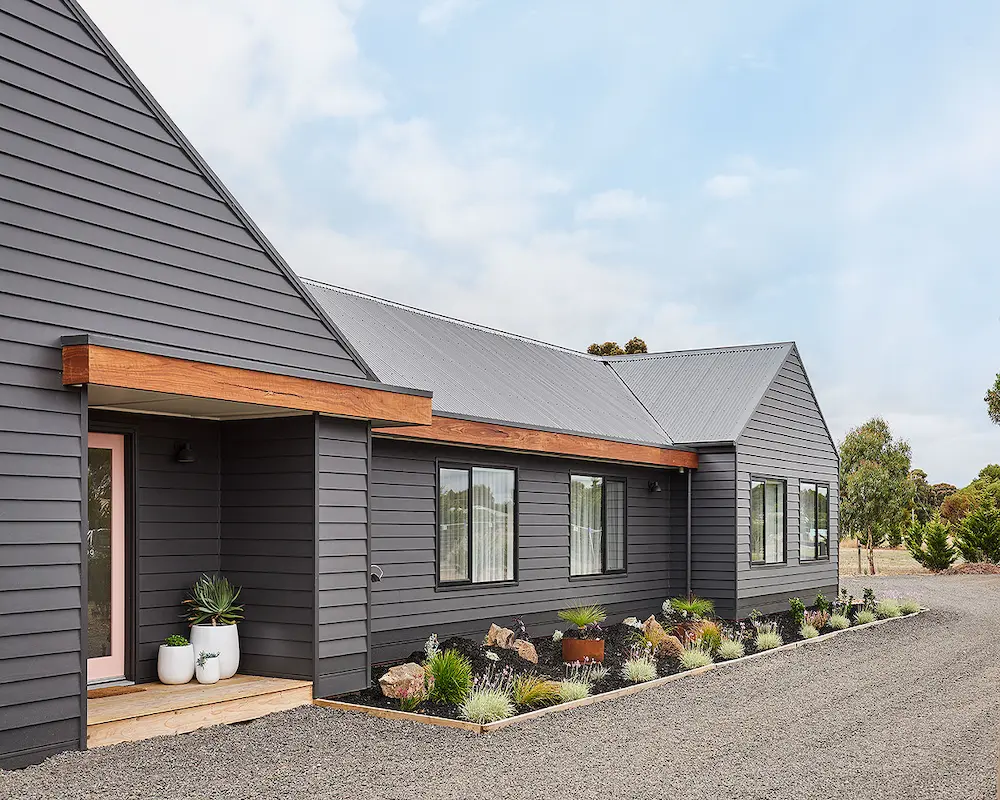
Choosing the Right Trim and Contrast
Trim plays a critical role in defining the overall look of a weatherboard home.
You can approach this in a few ways:
- Crisp Contrast: White trims against darker boards for a classic, defined look
- Soft Contrast: Slight tonal variation for a more subtle, modern feel
- Minimal Contrast: Similar tones for a seamless, contemporary aesthetic
Window frames, fascia, and detailing should all be considered as part of the overall palette—not as separate elements.
Practical Considerations (Maintenance & Materials)
While weatherboards are beautiful, there are some practical considerations to keep in mind:
Material Choice
- Timber weatherboards offer natural beauty but require ongoing maintenance
- Fibre cement options provide a similar look with increased durability and lower upkeep
Maintenance
- Painted weatherboards will need repainting over time
- Lighter colours tend to show less fading than darker tones
Coastal Conditions
If you’re near the coast, durability becomes even more important. Choosing the right materials and finishes will help protect your home from salt exposure and weathering.
Final Thoughts
Weatherboard homes have stood the test of time for a reason. They offer a unique combination of charm, flexibility, and enduring style that works across both traditional and modern homes.
With thoughtful design and the right colour palette, a weatherboard exterior can feel timeless yet completely current—elevating the overall look and street appeal of your home.
If you’re considering a weatherboard exterior and would like help selecting the perfect colour scheme, my online colour consultations are designed to guide you through the process with confidence.

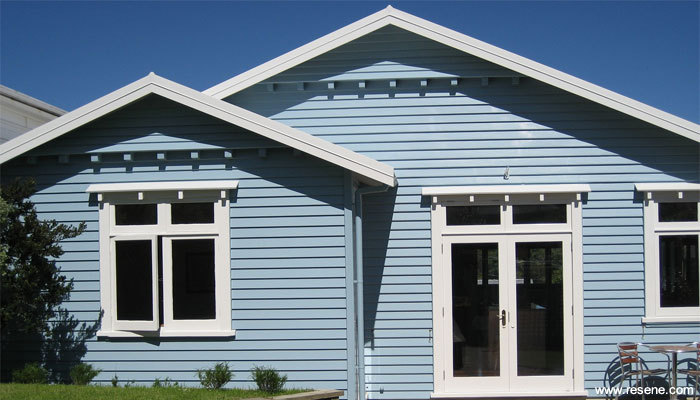
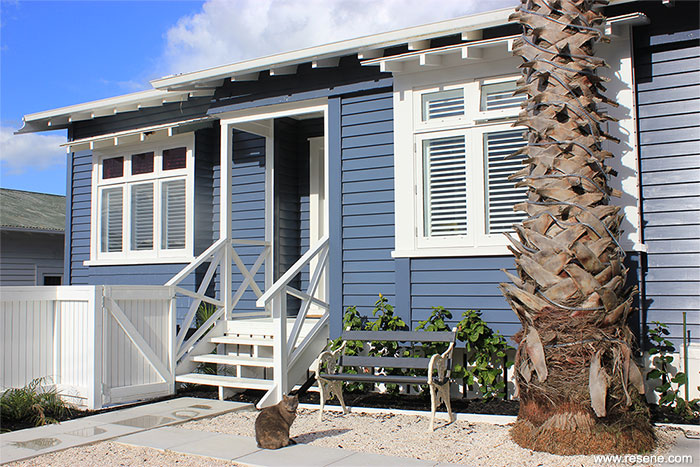
The classic blue and white colour scheme looks great on a weatherboard house and is equally at home by the coast or in town.
Related: Australian Coastal Style - 7 steps to achieve this look
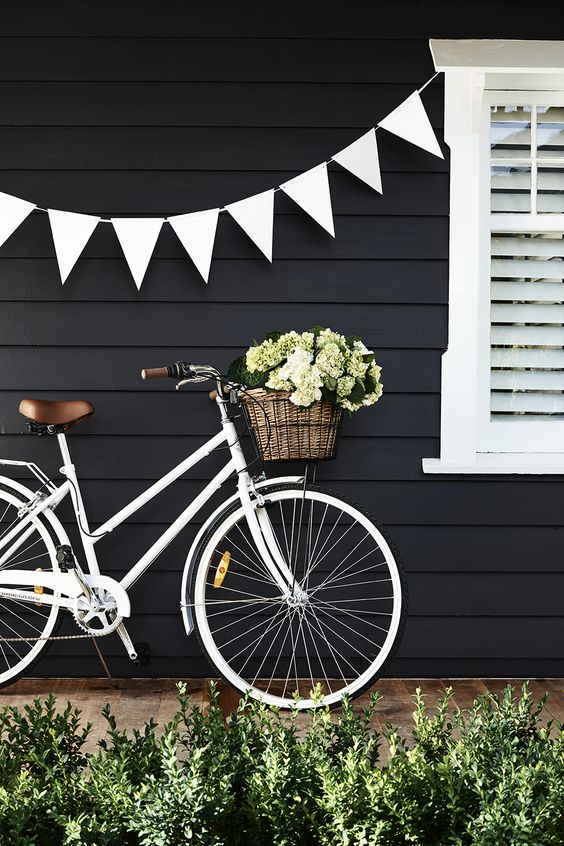
As well as looking good in natural timber, countryside weatherboard homes also look good in soft grey greens or white or to really get the farmhouse look, black might be the answer. Or the weatherboard house may be in a smart inner city area, in which case a sleek grey may be more the ticket. Endless possibilities!
Related: Don't paint your house black until you have read this
Are you considering painting your weatherboard house in grey? If you are then you might like to read this post:
Related: How to select the right grey for your exterior
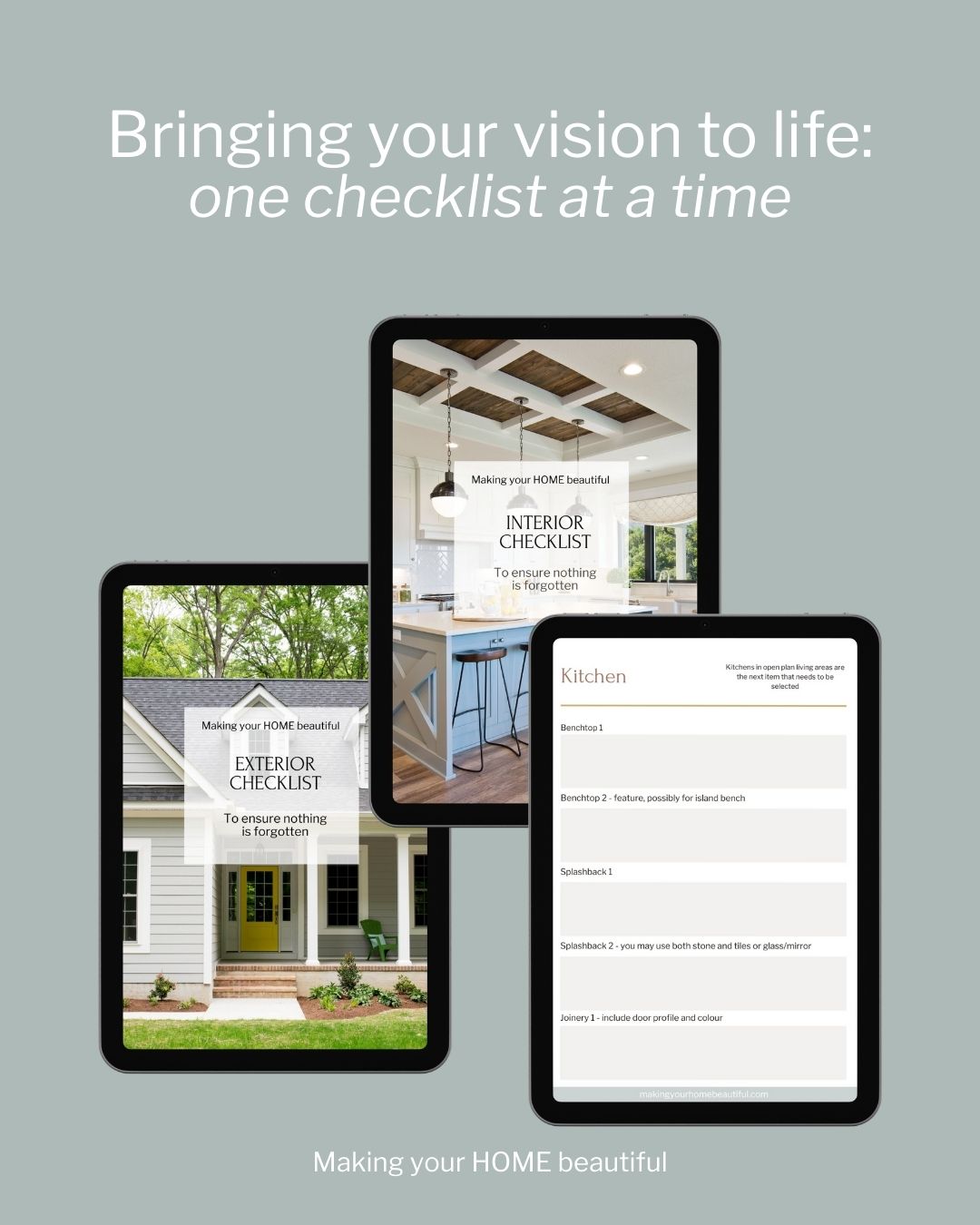
If you are building or renovating your home, I have comprehensive checklists to help you get organised and clear in your mind about what needs to be specified. Don't wait for your builder to ask you questions - be prepared and gain satisfaction with every choice ticked off.
This post was first published in 2019 but has been updated to reflect trends and new information.
Stay connected with news and updates!
Join our mailing list to receive the latest news and updates from our team.
Don't worry, your information will not be shared.
We hate SPAM. We will never sell your information, for any reason.