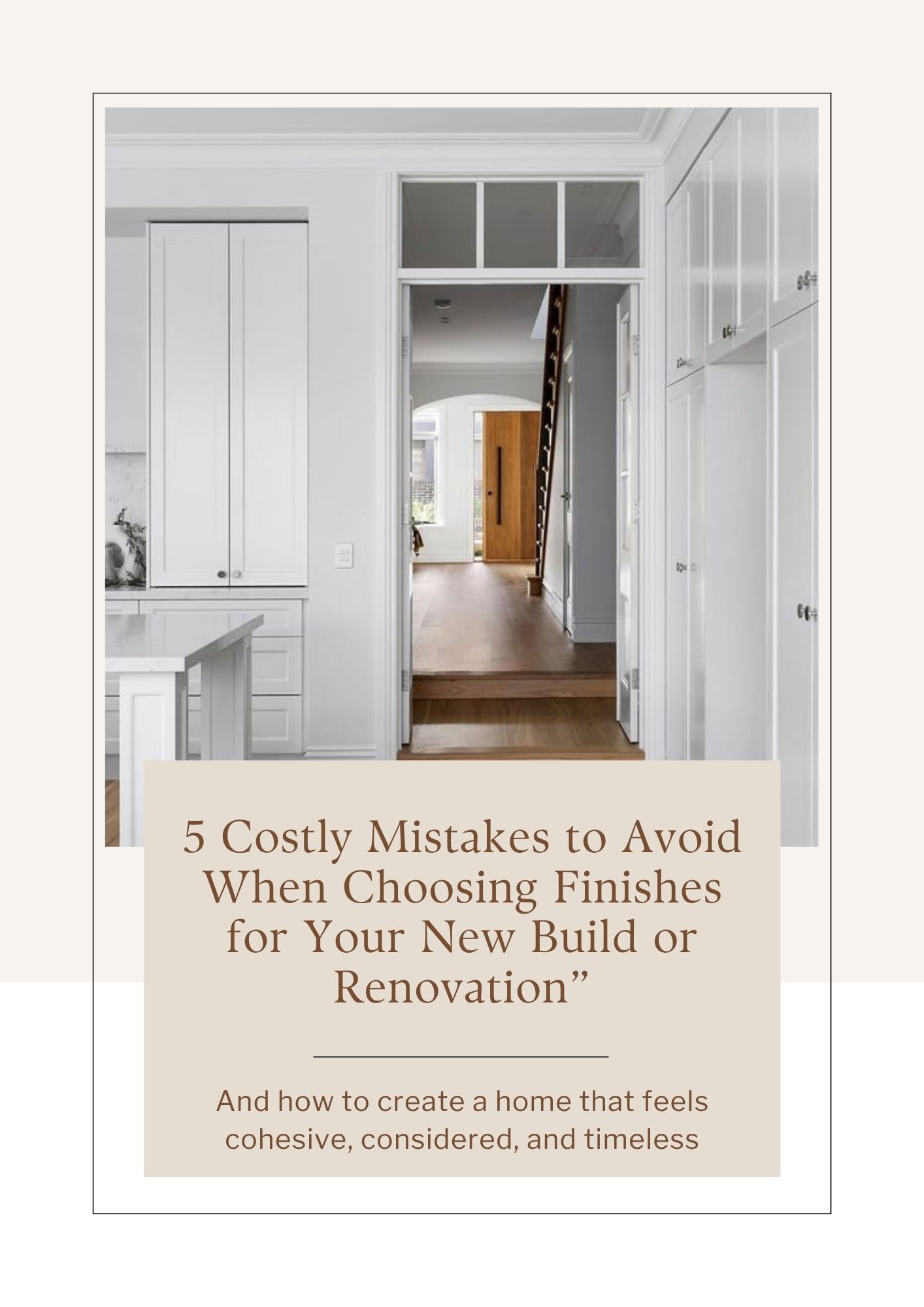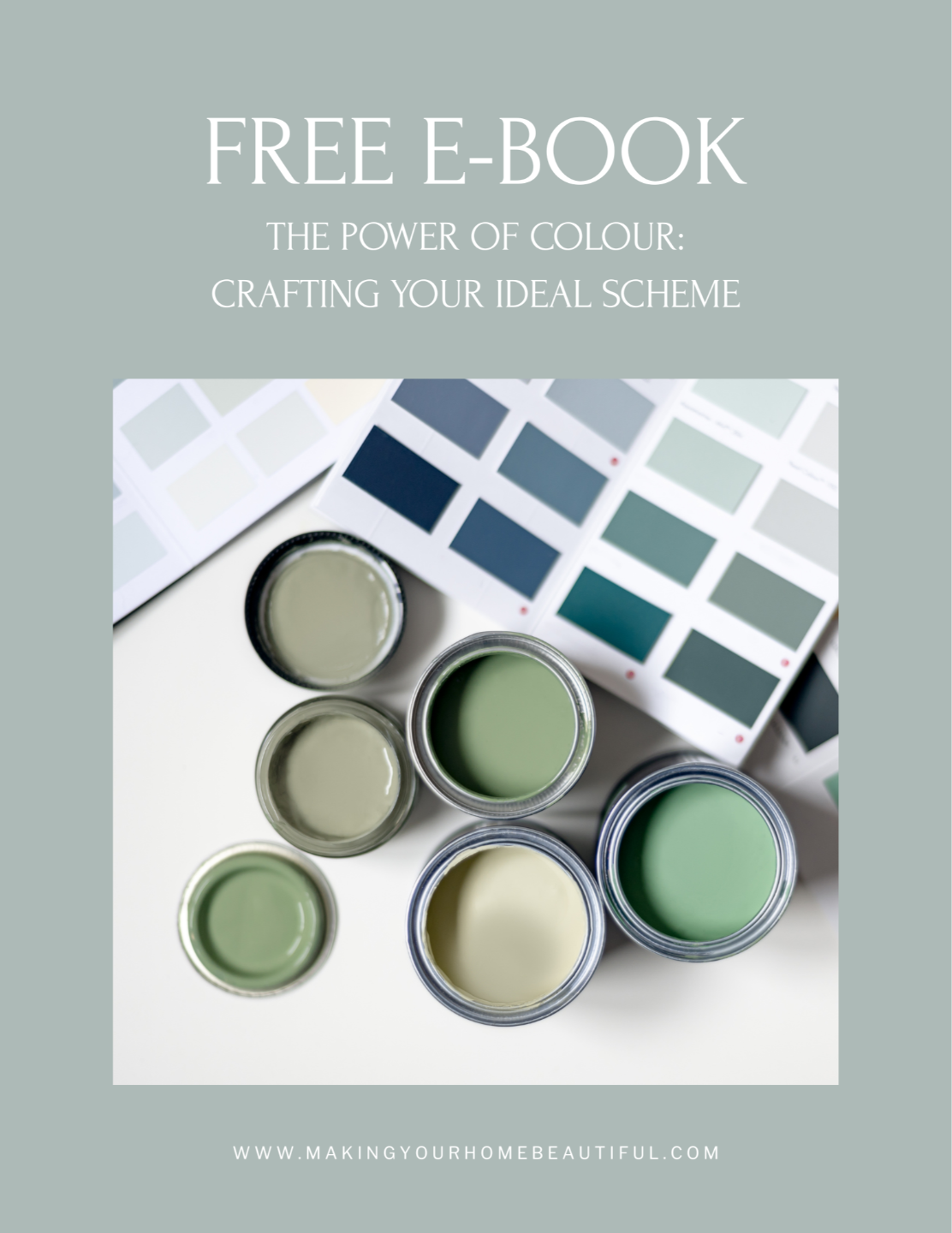
Choosing the right colour for your internal doors might seem like a small decorating decision, but it can have a surprisingly big impact on the overall look and feel of your home.
Should you paint your internal doors white? Would they look better in the same colour as your walls? Or could a darker shade, a soft neutral or even a beautiful feature colour create a more interesting scheme?
As an interior decorator and colour consultant, I am often asked these questions. The good news is that there is no single right answer. The best choice will depend on the style of your home, the colours you are using, the architectural features you want to highlight and, importantly, whether you want your doors to stand out or blend into the background.
In this guide, I will walk you through the different options to help you decide what colour to paint your internal doors and how to create a cohesive, well-considered colour scheme throughout your home.
1. Should I Paint My Internal Doors the Same Colour as the Walls?
One of my favourite approaches is to paint internal doors the same colour as the walls. This creates a calm, streamlined appearance and works particularly well in contemporary homes where simplicity and continuity are important.
When the doors, walls and sometimes the architraves and skirting boards are painted in the same colour, there are fewer visual interruptions. Your eye moves more easily around the room, allowing furniture, artwork, flooring and other decorative elements to take centre stage.
This approach is particularly effective when you want to create a sense of space in a smaller room or narrow hallway. Rather than highlighting every doorway, you allow the doors to become part of the overall wall treatment.
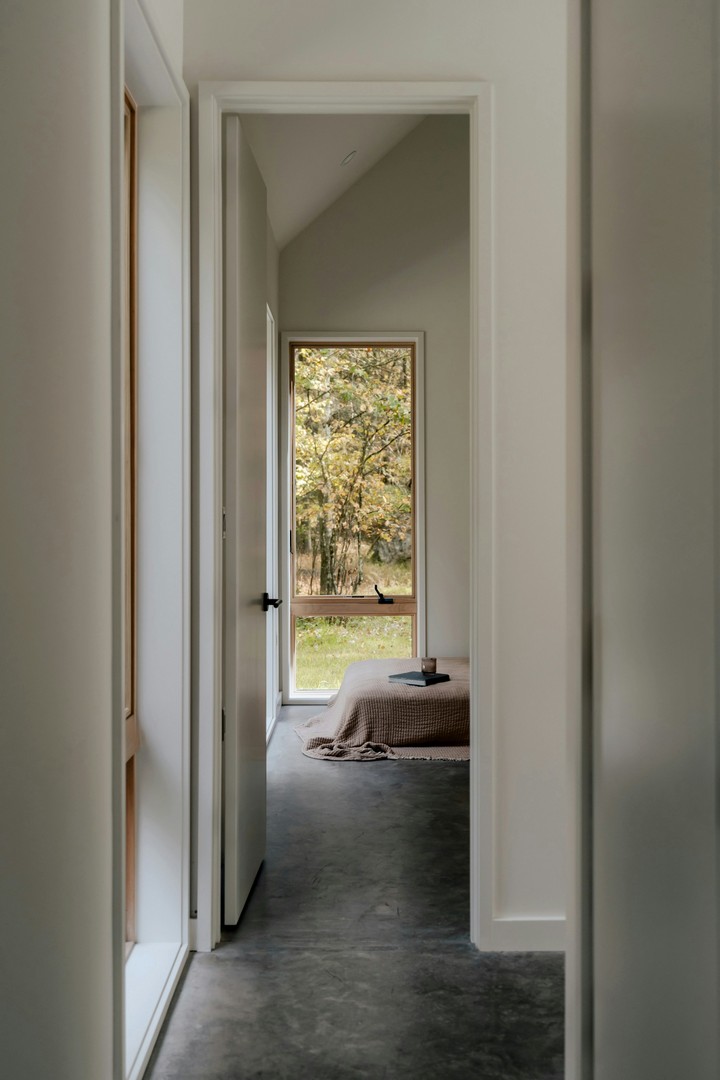
Using white or neutral paint
If you have chosen a soft white, warm white, beige or greige for your walls, you can continue this colour onto your doors for a subtle, sophisticated finish.
For example, a warm white used throughout a hallway can create a lovely sense of continuity when applied to the walls, doors and woodwork. Similarly, a soft greige can look beautifully understated when the doors are painted to match.
The important consideration is the undertone of your chosen neutral. A warm white with a yellow or creamy undertone may not sit comfortably alongside a cooler, blue-based white. Even subtle differences can become noticeable when two whites are positioned next to each other.
If you want a seamless look, I recommend keeping the colour consistent rather than introducing several slightly different whites without a clear reason. Remember that you will see a slight difference as you will have a different sheen level on your interior doors.
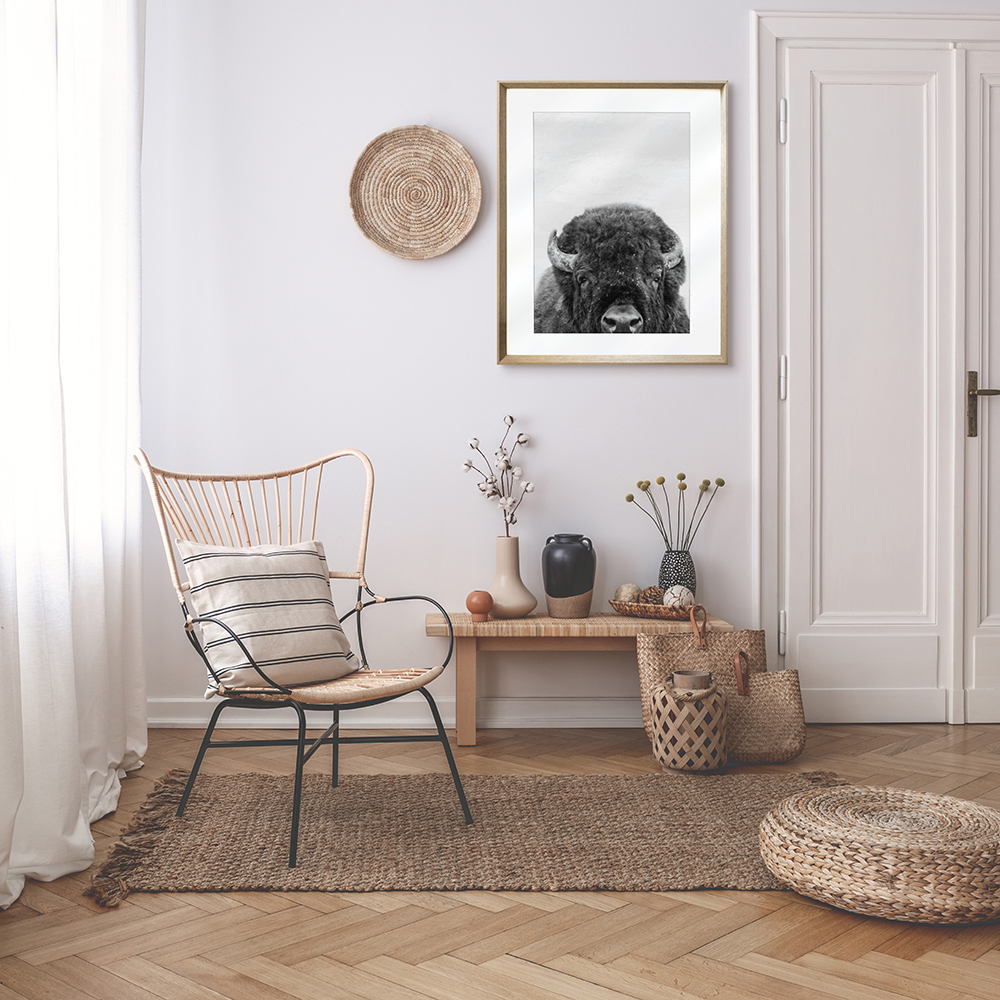
What about using colour on the walls and doors?
You don't have to restrict this approach to neutrals. Painting your walls and doors in the same soft green, muted blue, warm taupe or deeper charcoal can create a more enveloping and considered interior.
This is a particularly effective way to use colour without making the room feel too busy. Instead of introducing lots of contrasting elements, you create a simple backdrop that allows your furnishings and accessories to provide the variation.
It is also worth considering whether you want the skirting boards and architraves to match. Painting all these elements in one colour produces a more contemporary, unified look, while contrasting trim introduces definition and a more traditional feel.
2. Should Internal Doors Be the Same Colour as the Skirting Boards and Architraves?
Traditionally, internal doors, skirting boards and architraves have often been painted white, even when the walls are a different colour. This remains a classic option, but it is certainly not the only one.
The decision comes down to the look you want to achieve.
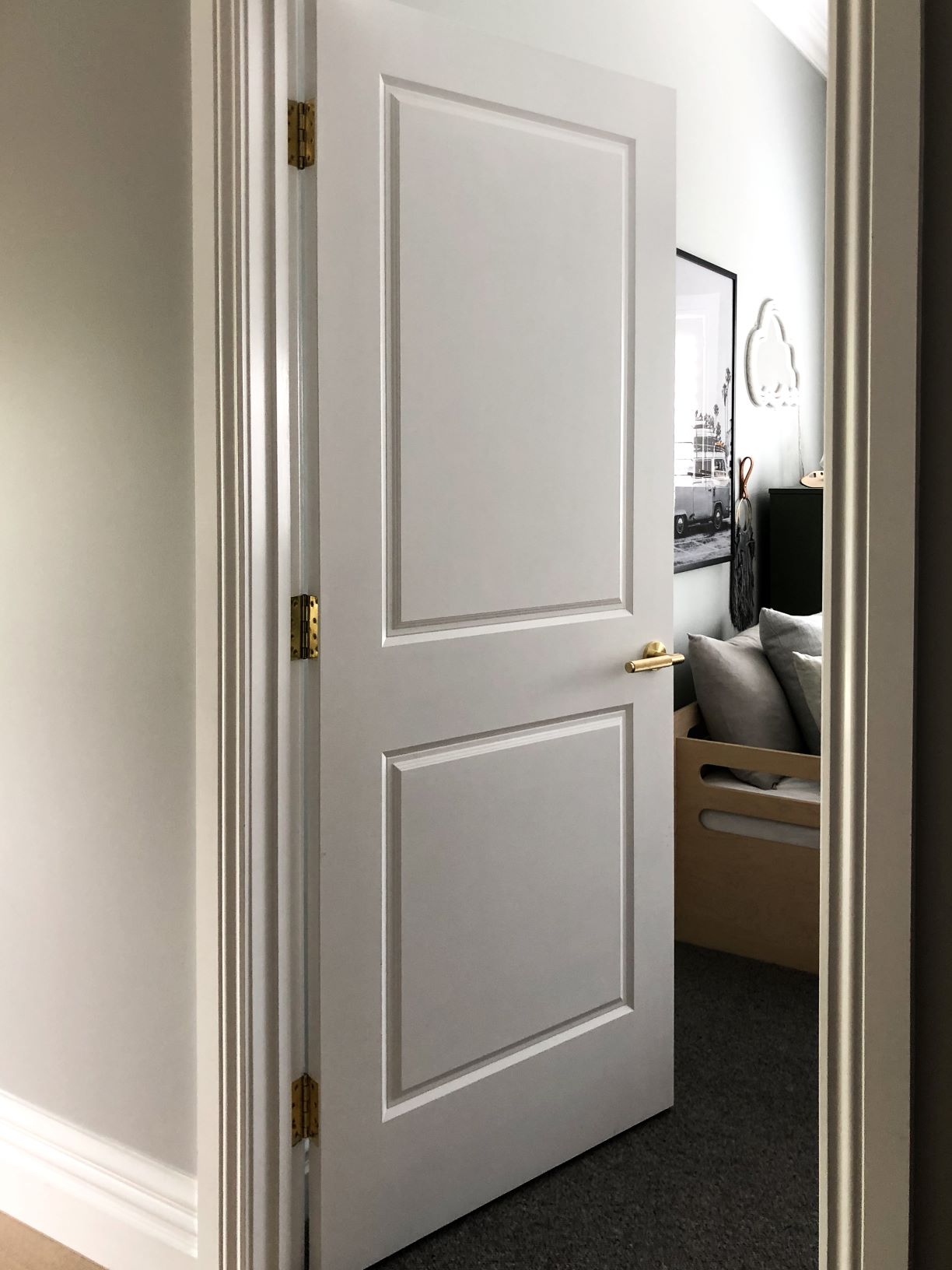
White doors and white trim
White doors with white architraves and skirting boards create a clear contrast against coloured walls. This can look fresh and crisp, particularly in coastal, Hamptons-inspired and traditional interiors.
However, white is not a single, universal colour. A crisp, cool white will create a different effect from a softer, warmer white. You need to consider how your chosen white relates to the wall colour, flooring, cabinetry and other finishes.
For example, if you have warm beige walls and natural timber flooring, a very cool white may feel a little stark. A softer white with a compatible undertone may provide a more harmonious result.
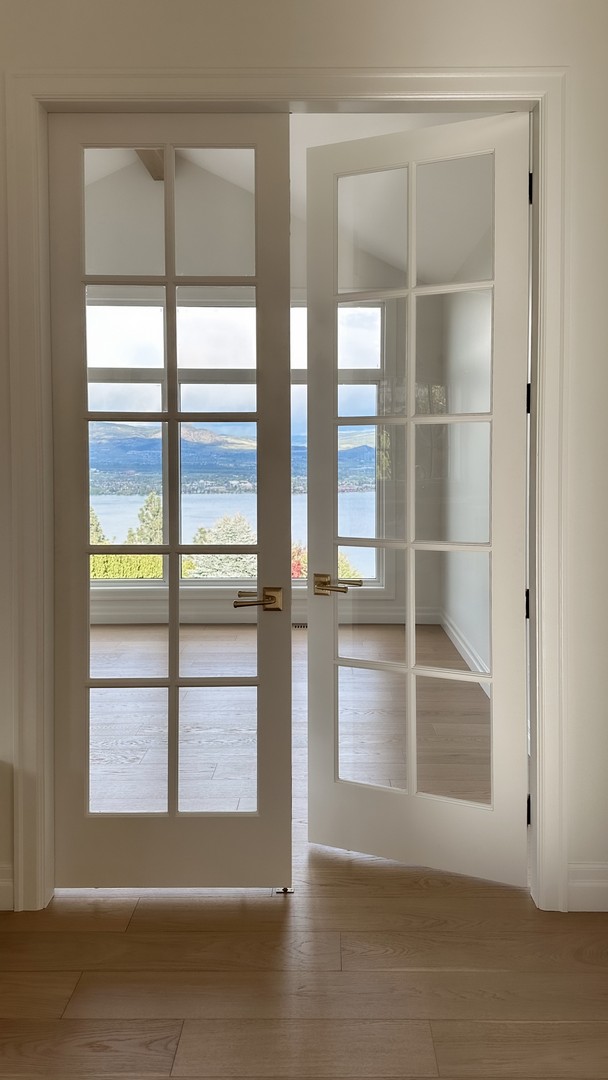
Related: How to find the right white
Matching the doors to the trim
Painting your doors the same colour as your skirting boards and architraves creates a defined architectural frame.
This can be a particularly good solution when your walls are coloured and you want to retain some contrast without making the doors themselves a feature.
For a classic look, you might choose a soft white for the doors and trim against muted green, blue or greige walls. For a more contemporary scheme, consider a tonal approach, using a slightly deeper neutral for the woodwork.
Painting the doors, trim and walls in one colour
If you want a more modern, enveloping finish, consider painting all three elements in the same colour.
This approach works with both light and dark schemes. Soft greens and warm neutrals create a gentle, understated result, while deep blues, charcoal and earthy shades can provide drama and depth.
My advice is to consider the entire room rather than making the door colour decision in isolation. A single colour across several surfaces can be very effective, but the balance of light, texture and furnishings still matters.
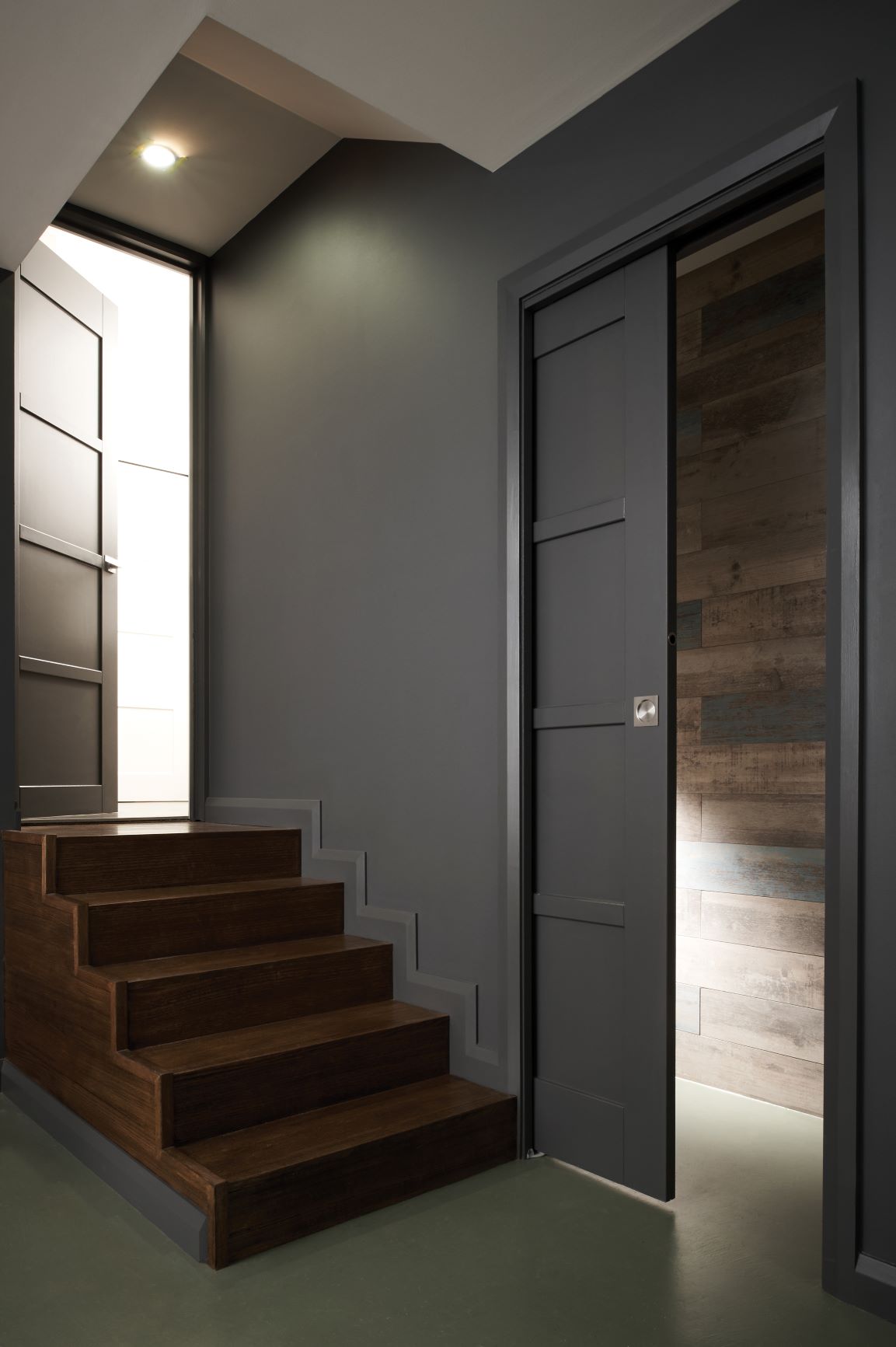
Image: Corinthian Doors
3. Should I Paint My Internal Doors a Feature Colour?
If you love colour and want to introduce something a little different, your internal doors can provide an excellent opportunity.
A feature door can add personality and visual interest without the commitment of painting an entire wall in a strong colour. It can also help connect the room to an accent colour used elsewhere in your decorating scheme.
Black, charcoal, deep green, navy blue and muted earthy shades can all work beautifully, depending on the style of your home.
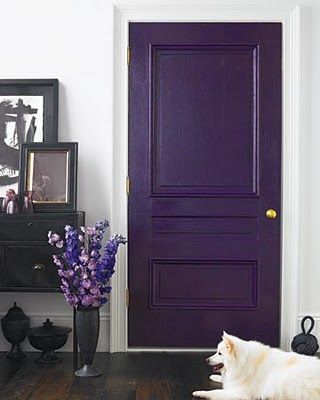
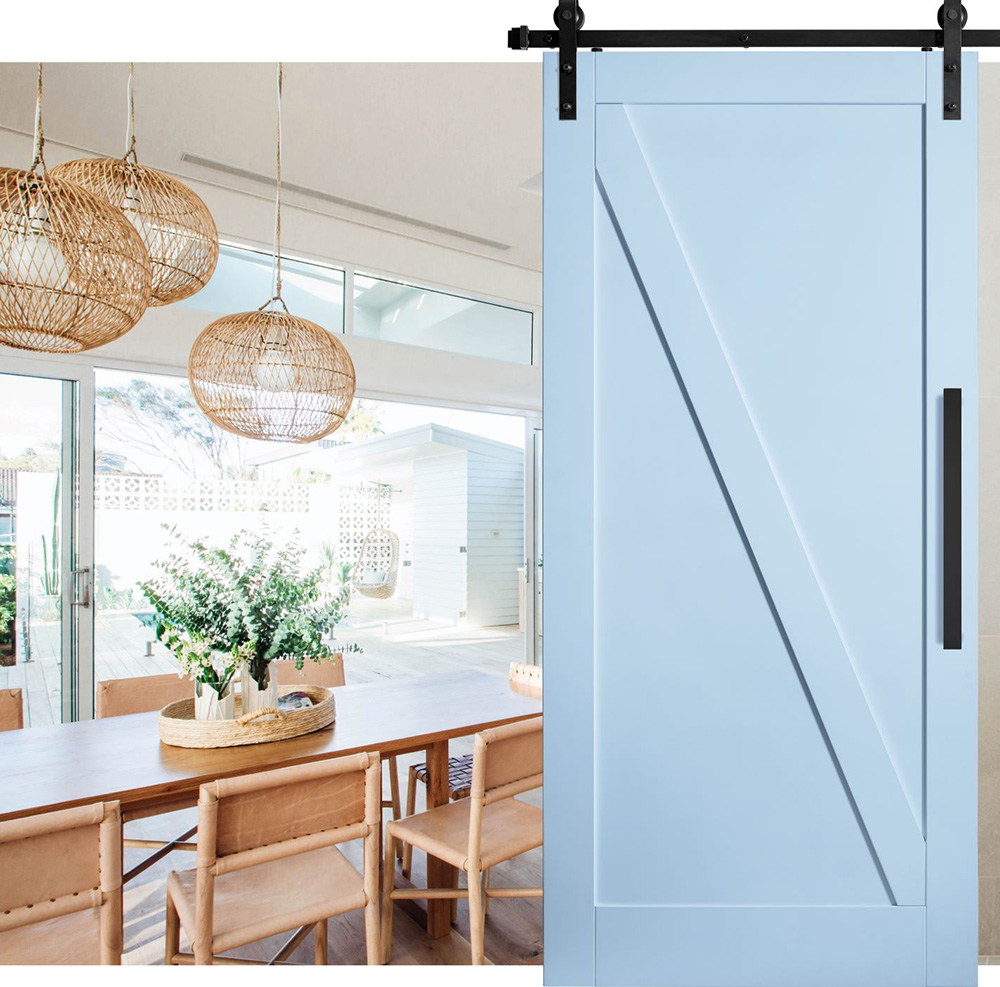
Image: Corinthian Doors
Dark doors for contrast
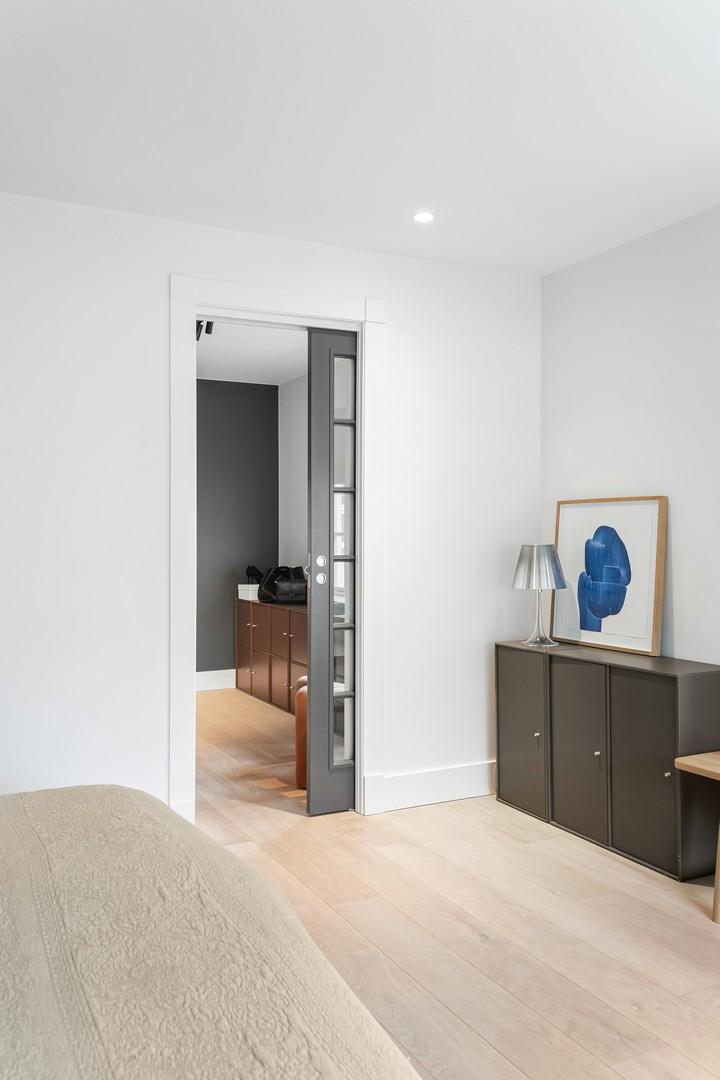
A dark internal door can create a strong architectural feature, particularly against a light wall. Charcoal, warm black and deep navy are useful options if you want contrast without introducing a bright colour.
Think about the other finishes in the room. A dark door can relate to black window frames, dark kitchen handles, lighting, furniture or artwork. This helps the colour feel intentional rather than an isolated decision.
It is also worth considering whether to paint only the door or include the architrave.
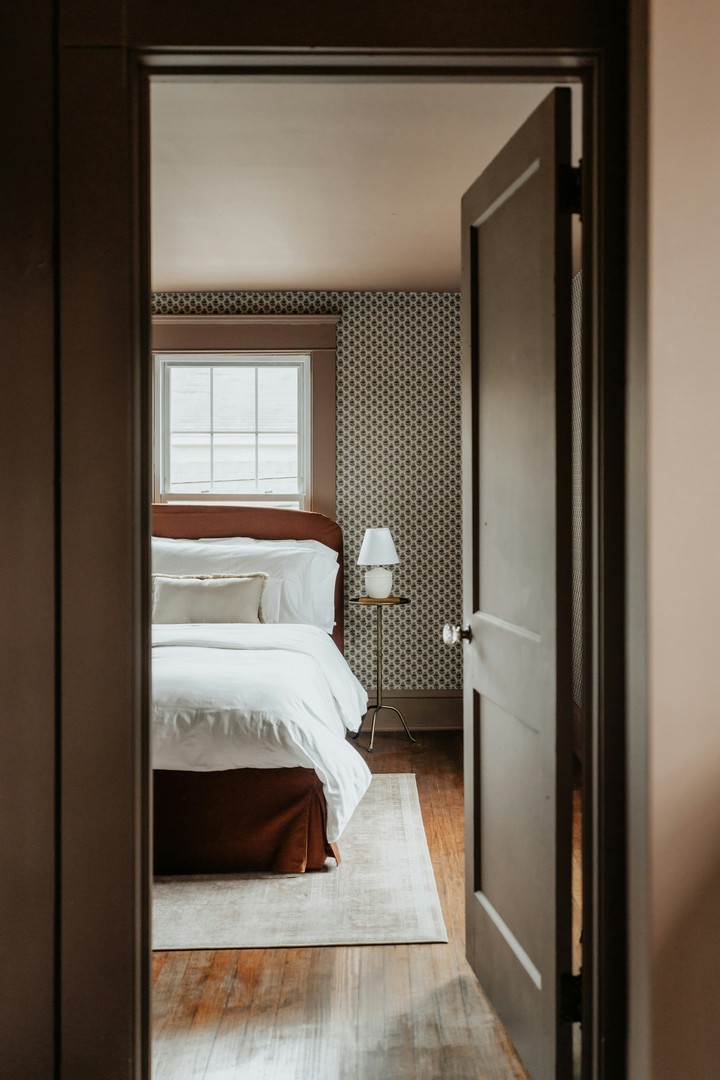
If you paint just the door, you create a more restrained feature. If you paint the door and its surrounding trim in the same dark colour, the overall effect is stronger and more architectural.
Using a softer feature colour
A feature colour doesn't need to be dark or dramatic. Muted sage green, dusty blue, soft olive and warm terracotta can all add interest while retaining a relaxed atmosphere.
The key is to choose a colour that belongs to your overall palette. Look for a connection with the colours in your artwork, soft furnishings, cabinetry or adjacent rooms.
You don't need to repeat the exact colour everywhere. A related tone can be enough to create a sense of flow.
When should you paint the architraves as well?
If your internal doors are beautifully detailed and you want to emphasise their architectural character, painting the door and architrave together can be effective.
You can also include the skirting boards to create a more substantial colour feature, particularly in a room with generous proportions and well-defined architectural details.
However, if your home has relatively simple doors and narrow architraves, I would generally be more restrained. A feature colour on the door alone may be all you need.
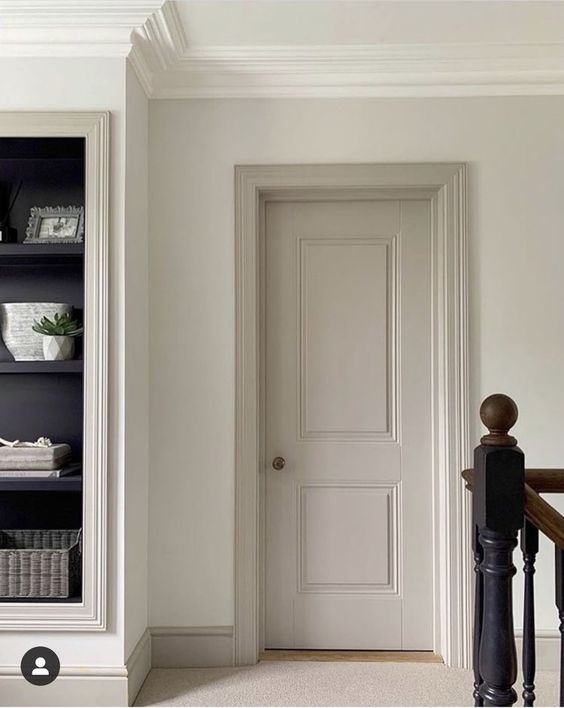
4. Should I Leave My Internal Doors as Natural Timber?
Before reaching for the paintbrush, ask yourself whether your internal doors need painting at all.
Natural timber can bring warmth, texture and character to an interior. If you have beautiful timber doors, particularly those with interesting grain or detailing, it may be worth retaining their natural finish.
This can work particularly well in homes where timber flooring, furniture or other natural materials form an important part of the scheme.
The trick is to balance the amount of timber you have throughout the home. Too many different timber tones can make a scheme feel disjointed, while a carefully coordinated selection can create warmth and depth.
If you love your timber doors but want a fresher look, consider painting the surrounding architraves and skirting boards in a suitable white or neutral. This can frame the timber and make it stand out more clearly.
Before deciding, check the condition of the doors and whether the existing finish is worth preserving. If the timber is damaged, heavily stained or inconsistent, painting may provide a more cohesive result.
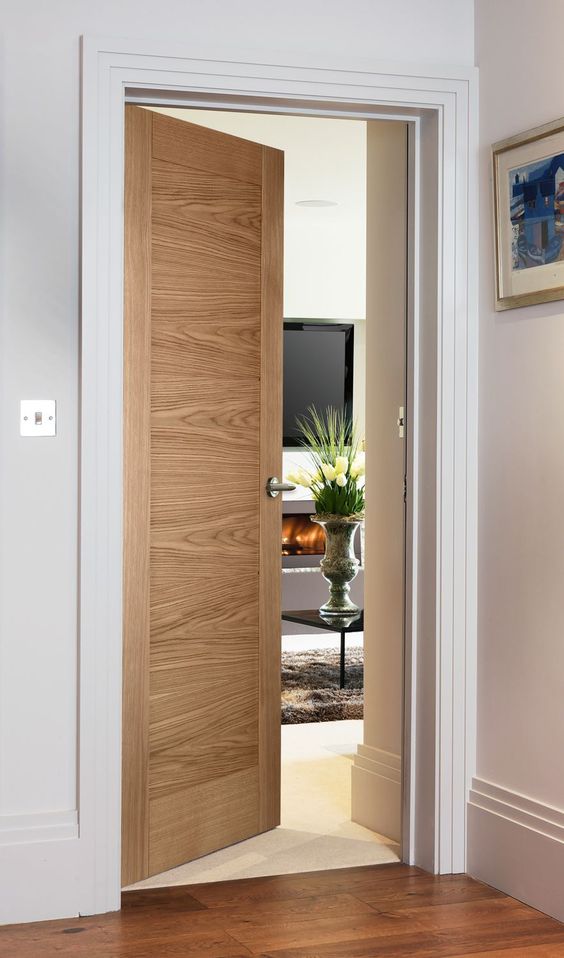
5. Don't Forget Wardrobe Doors
Wardrobe doors are often overlooked when planning an interior colour scheme, but they can occupy a substantial amount of wall space.
In a bedroom, you might have the main entry door, several wardrobe doors and perhaps an ensuite door all within the same area. If each is treated differently, the result can become visually busy.
This is where I would think carefully about the overall balance.
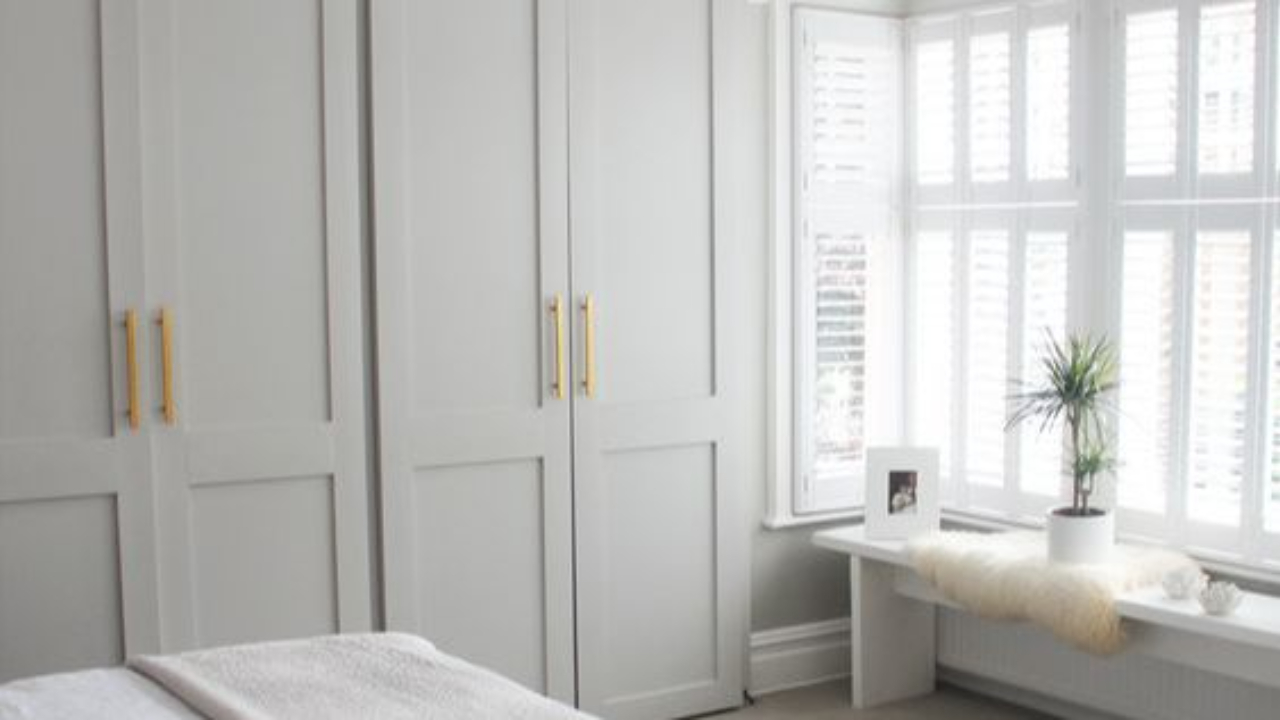
Match wardrobe doors to the walls
If you want a calm, understated bedroom, painting wardrobe doors the same colour as the walls can help them recede into the background.
This is particularly useful when the wardrobe doors are large, plain panels without architectural detailing. If you have louvred wardrobe doors, the different textured finish is often all you need to create a contrast.
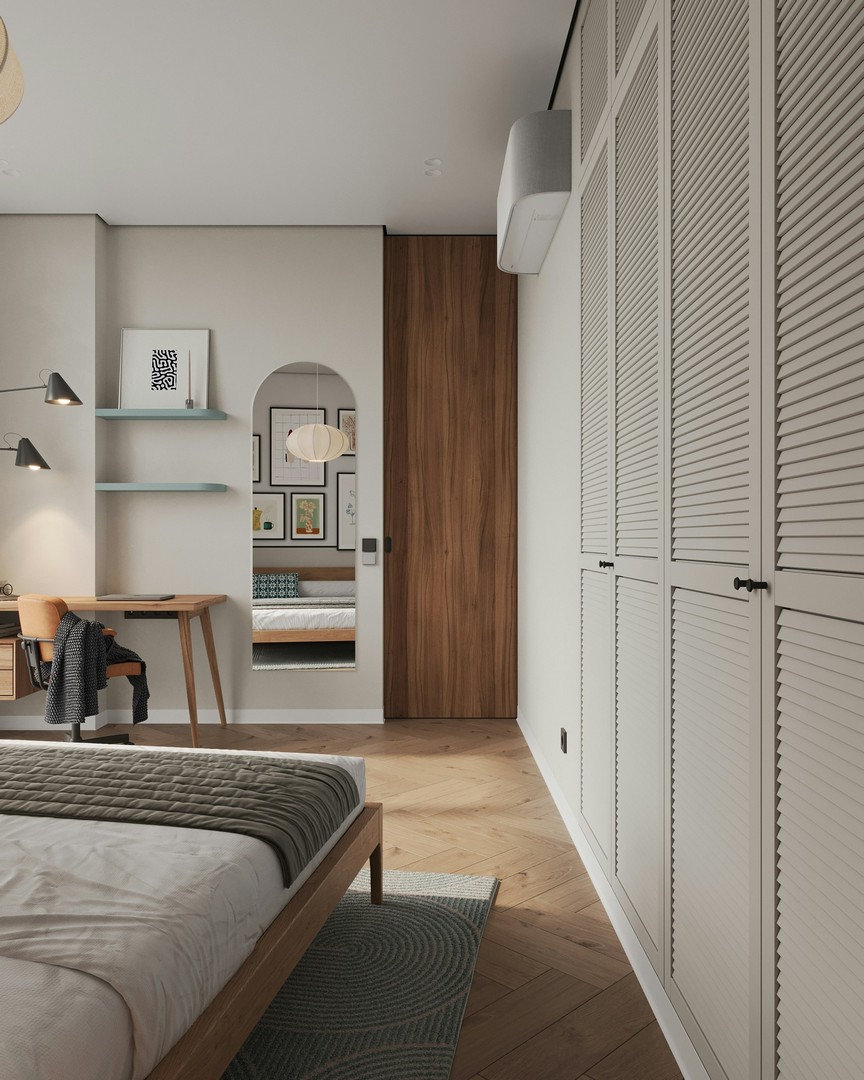
Coordinate wardrobe doors with your decorating scheme
Another option is to relate the wardrobe doors to a key colour elsewhere in the room.
For example, a muted grey-green might work beautifully with a coordinating upholstered bedhead, while a soft taupe could connect with the carpet, curtains and bedding.
You don't necessarily need to match these elements exactly. Instead, look for a harmonious relationship between the colours.
Should wardrobe doors be a feature?
Absolutely, if this suits the room. If your wardrobe doors have attractive detailing or you are using custom joinery, you may want to give them more prominence.
Just remember that the larger the surface area, the greater the visual impact of the colour. A dark colour on a full wall of wardrobe doors will have a much stronger effect than the same colour on a single hinged door.
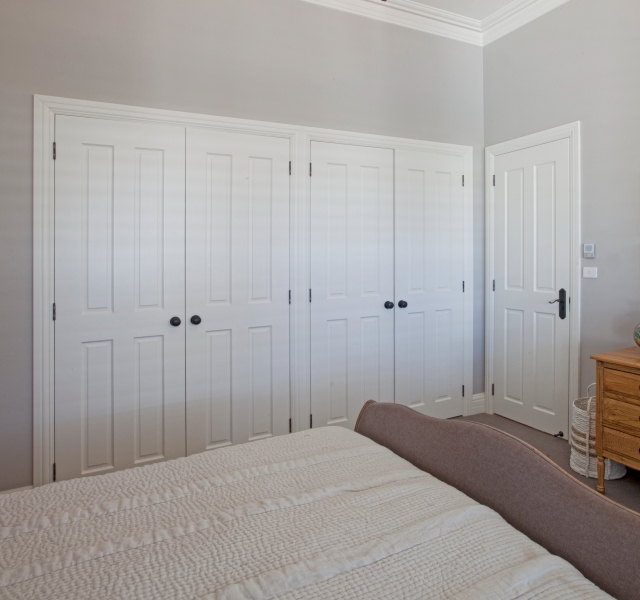
6. What Colour Should I Paint Internal Doors in a Hallway?
Hallways deserve special consideration because they often contain several doors close together.
You might have the entrance to bedrooms, bathrooms, a laundry and storage areas all visible from one position. This repetition makes the colour of the doors particularly important.
In a narrow hallway, I often favour a simple, cohesive treatment. Painting the doors and walls in the same colour can reduce visual clutter and create a more streamlined appearance.
Alternatively, white doors and white trim against coloured walls can provide a classic, defined look.
If you want to introduce a darker or more distinctive colour, consider whether it should be repeated on all the doors or reserved for one particular door. This can be an effective way to introduce a different tone if you feel your hallway lacks interest.
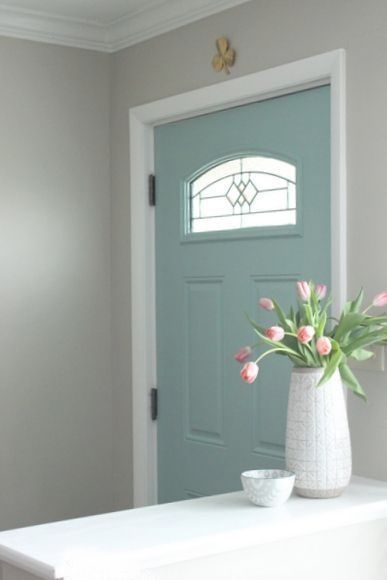
What about the inside of the front door?
The inside face of your entrance door is another element to consider.
If you have a beautiful natural timber front door, you may want to retain the timber finish on the inside. If the door is painted, you can choose to continue that colour inside or select a colour that works better with your interior palette.
There is no need to make the inside of the entrance door identical to the other internal doors, provided the difference feels intentional and works with the surrounding finishes.
Related: What Should You Paint on the Inside of Your Front Door?
7. Consider Your Kitchen Joinery and Other Fixed Finishes
One of the most important principles of colour consulting is to consider how colours relate to one another across the whole space.
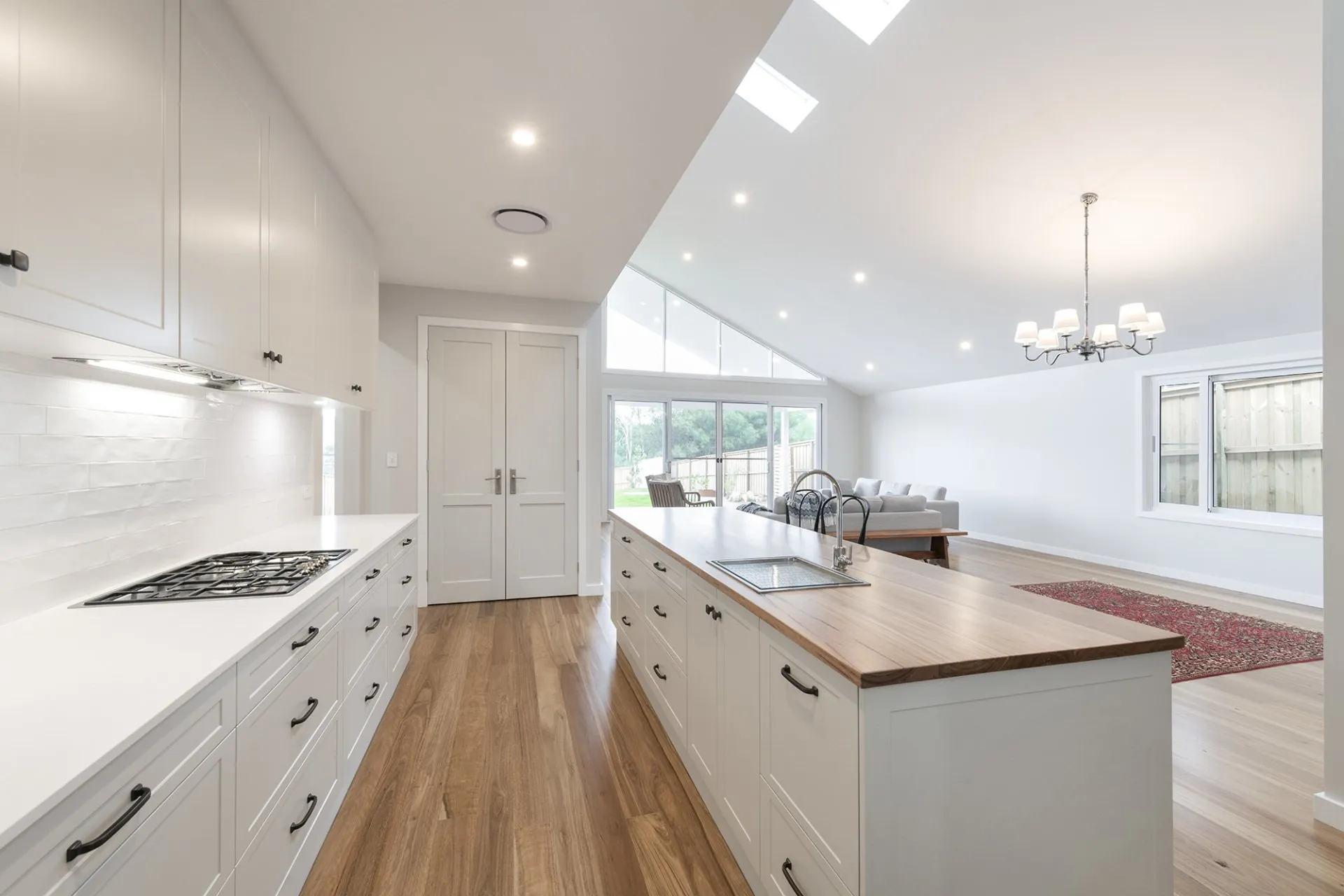
Internal doors should not be selected in isolation, particularly in open-plan homes where the kitchen, living and dining areas flow together.
For example, a pantry door might sit directly beside kitchen cabinetry. If the cabinetry is a warm timber tone or a soft greige, a door colour with a completely different undertone could feel disconnected.
The same applies to flooring, window frames, bathroom vanities and other fixed finishes.
Before choosing your door colour, look at the materials and colours that will remain in the space. Consider whether you want the doors to blend with these finishes, provide a subtle contrast or introduce a deliberate accent.
This is also a good opportunity to repeat a colour from elsewhere in your home. A dark door might connect with window frames or kitchen hardware, while a muted green could relate to artwork or soft furnishings.
8. How to Choose the Right Colour for Your Internal Doors
If you are still unsure, I recommend working through these questions before making your final decision.
1. Do I want my doors to blend in or stand out?
If you prefer a calm, streamlined look, consider matching the doors to the walls. If you want more definition, use a contrasting tone of white, neutral or feature colour. You must ensure that the undertones in your white are the same.
2. How many doors can I see at once?
A single door can be a lovely feature. Several doors in a hallway or bedroom will have a much greater visual impact, so a simpler approach may be more effective unless you feel the area is lacking interest.
3. What is the undertone of my wall colour?
Pay attention to whether your walls are warm, cool or relatively neutral. The door colour should work with the undertone of the walls and the other fixed finishes in the room.
4. What is happening with my skirting boards and architraves?
Decide whether these elements should match the door, match the wall or provide a contrasting frame. Making this decision as part of the overall scheme will give you a more deliberate result.
5. What other colours and materials are nearby?
Consider the flooring, kitchen cabinetry, wardrobe doors, window frames and furniture. These elements can help you identify a colour that will connect the different areas of your home.
6. Have I tested the colour in the actual space?
Paint colours can look quite different depending on the lighting, surrounding finishes and the direction a room faces. Test your shortlisted colours before committing, and view them at different times of the day.
Finally, remember that you are not limited to one treatment throughout the entire house. You can use a consistent approach in the main living areas and make a feature of a special door elsewhere, such as a study, bedroom or barn door.
The important thing is to have a clear reason for your choices.

Once you start a renovation you begin to realise just how many difference decisions you need to make. This is exactly why I created my checklists to keep you on track so that you create a cohesive interior or exterior scheme. You can purchase them here and gain satisfaction each time you make a decision.
As a colour consultant, I help homeowners make confident decisions about paint colours, flooring, cabinetry and other finishes so that the completed home feels cohesive from room to room. You can find out more about my online colour consultations if you would like help creating a scheme for your own home.
Stay connected with news and updates!
Join our mailing list to receive the latest news and updates from our team.
Don't worry, your information will not be shared.
We hate SPAM. We will never sell your information, for any reason.